




























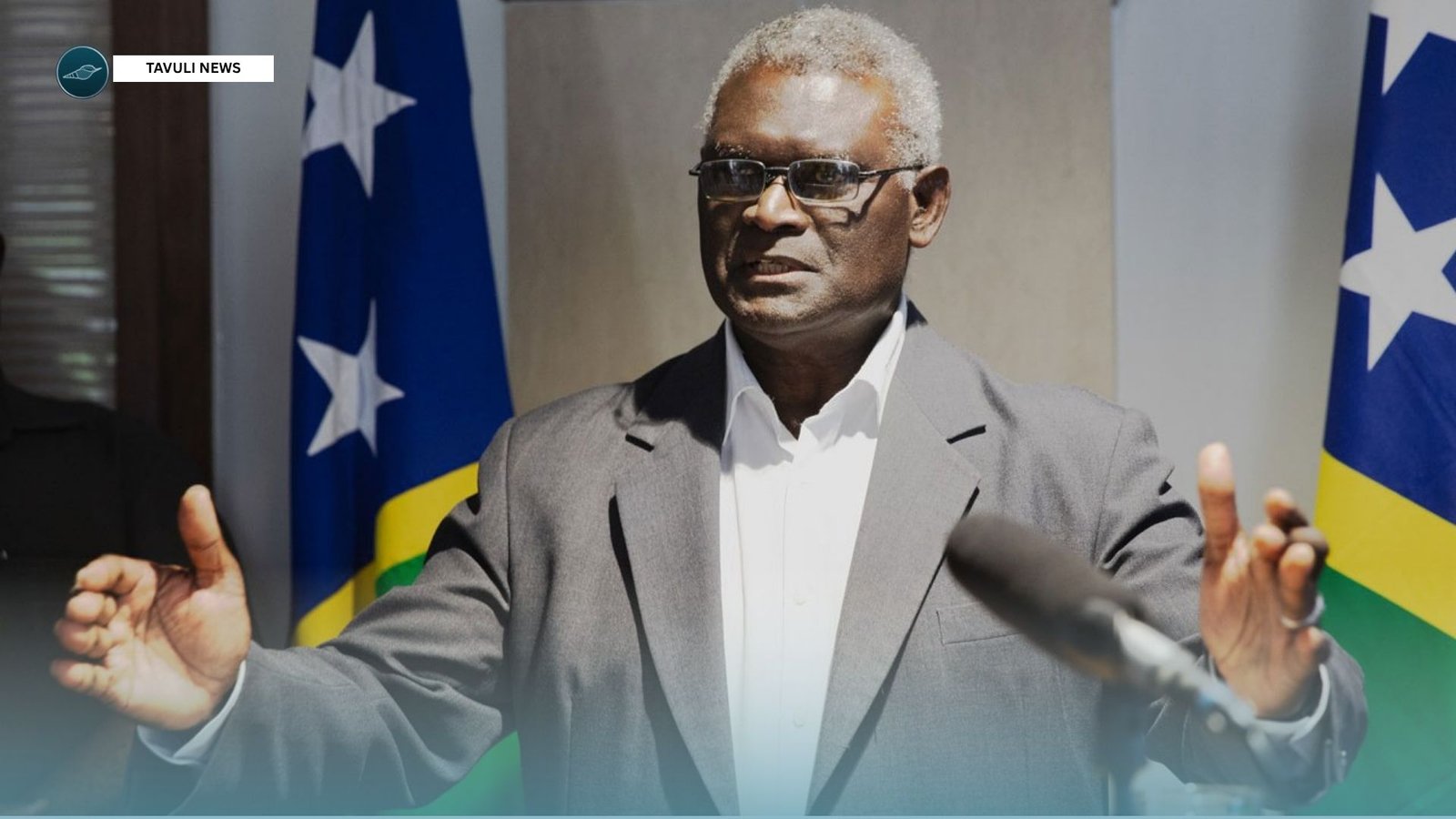
Sogavare urges caution on fee-free education, citing sustainability, funding risks and fiscal independence
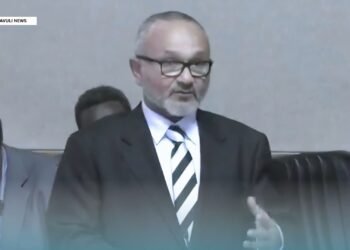
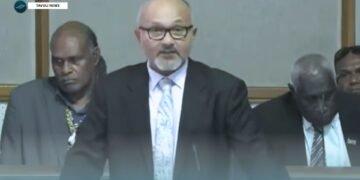
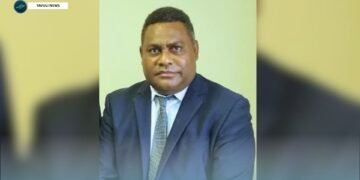
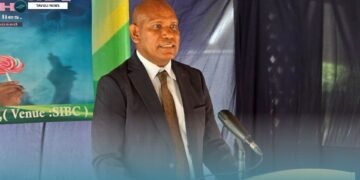
HONIARA, SOLOMON ISLANDS – Leader of the Official Opposition, Hon. Manasseh Sogavare, has warned that any fee-free education policy built on heavy external financing must be approached with great caution, stressing that Solomon Islands must not create a major long-term national obligation that it may later struggle to fund or control on its own.
Hon. Sogavare said accessible and affordable education remains an important national objective, but the country must distinguish clearly between short-term donor support and long-term domestic sustainability.
“A responsible government must never confuse start-up assistance with permanent national capacity,” Hon. Sogavare said.
“If the proposed fee-free education policy depends heavily on outside support in its early years, then the public has a right to know what happens when that support is reduced, delayed, redirected or withdrawn.”
He said any broad and recurring commitment in education must be assessed not only in terms of public appeal, but also in terms of sovereignty, fiscal independence and long-term national resilience.
“Education is too important to be built on uncertain foundations,” he said.
“If Solomon Islands adopts a large and expensive recurrent policy without a credible long-term domestic funding plan, then future governments may be forced either to borrow heavily, cut other essential services, or retreat from commitments already made to families.”
Hon. Sogavare cautioned that heavy reliance on donor-backed programmes can, over time, expose countries to external policy influence, shifting priorities, and strategic vulnerability.
“The question is not whether development partners can assist. The real question is whether Solomon Islands will still be able to sustain and control this policy in five years or ten years’ time without compromising its own priorities,” he said.
He said the Government must therefore state plainly whether it has a domestic revenue strategy to support the policy over the long term, and whether any external support comes with expectations or dependencies that could shape future decisions.
Hon. Sogavare also noted that the country already has a legal and regulatory framework for school fees and hardship protection under the Education Act 2023 and the Education Regulations 2024.
He said the proper course is to strengthen and enforce that framework, improve support for vulnerable families, and increase investment in school quality and infrastructure before committing the nation to a large new funding obligation that may depend on continuing foreign assistance.
“The first task of government is to prove it can sustain the system we already have, strengthen the protections that are already in law, and improve the quality of education across the country,” he said.
“Only then should it ask the nation to assume a much larger and more permanent financial responsibility.”
Hon. Sogavare said that without a transparent and credible long-term funding strategy, the policy risks becoming politically popular in the short term but economically destabilising in the future.
“We all support education,” he said.
“But true leadership requires more than making attractive promises. It requires protecting the country’s long-term fiscal independence, preserving national policy autonomy, and ensuring that today’s commitments do not become tomorrow’s crisis.”
PRESS RELEASE