
























Makira-Ulawa Health Summit promotes local solutions to strengthen primary health care services
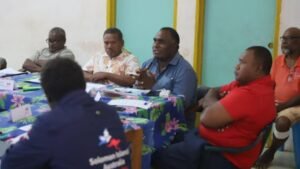
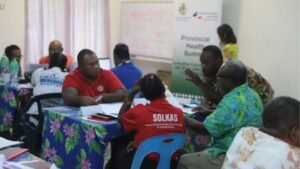
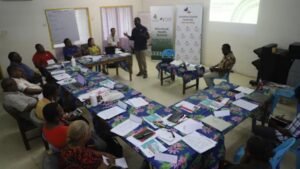
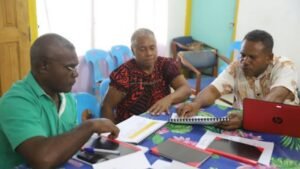
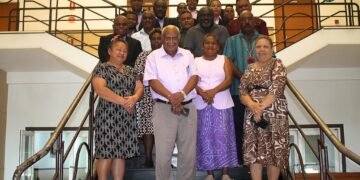
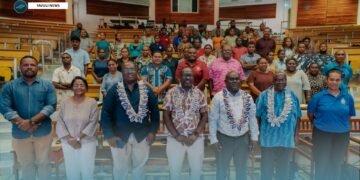
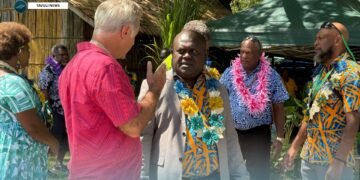
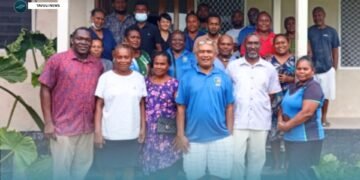
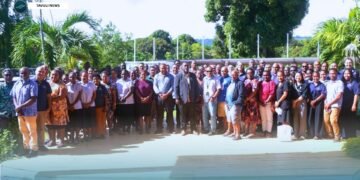
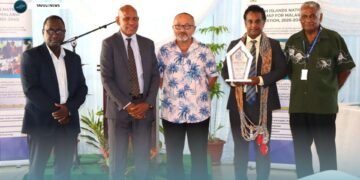
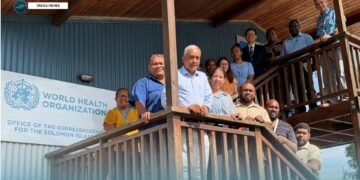
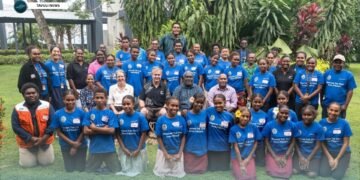
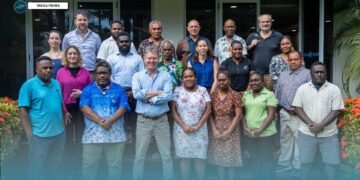
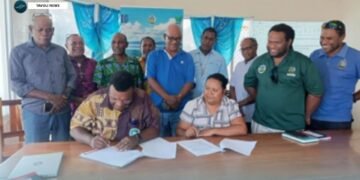
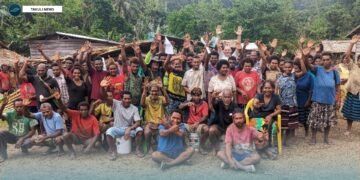
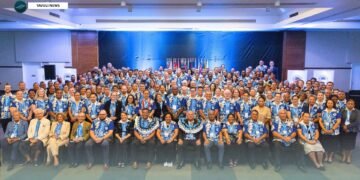
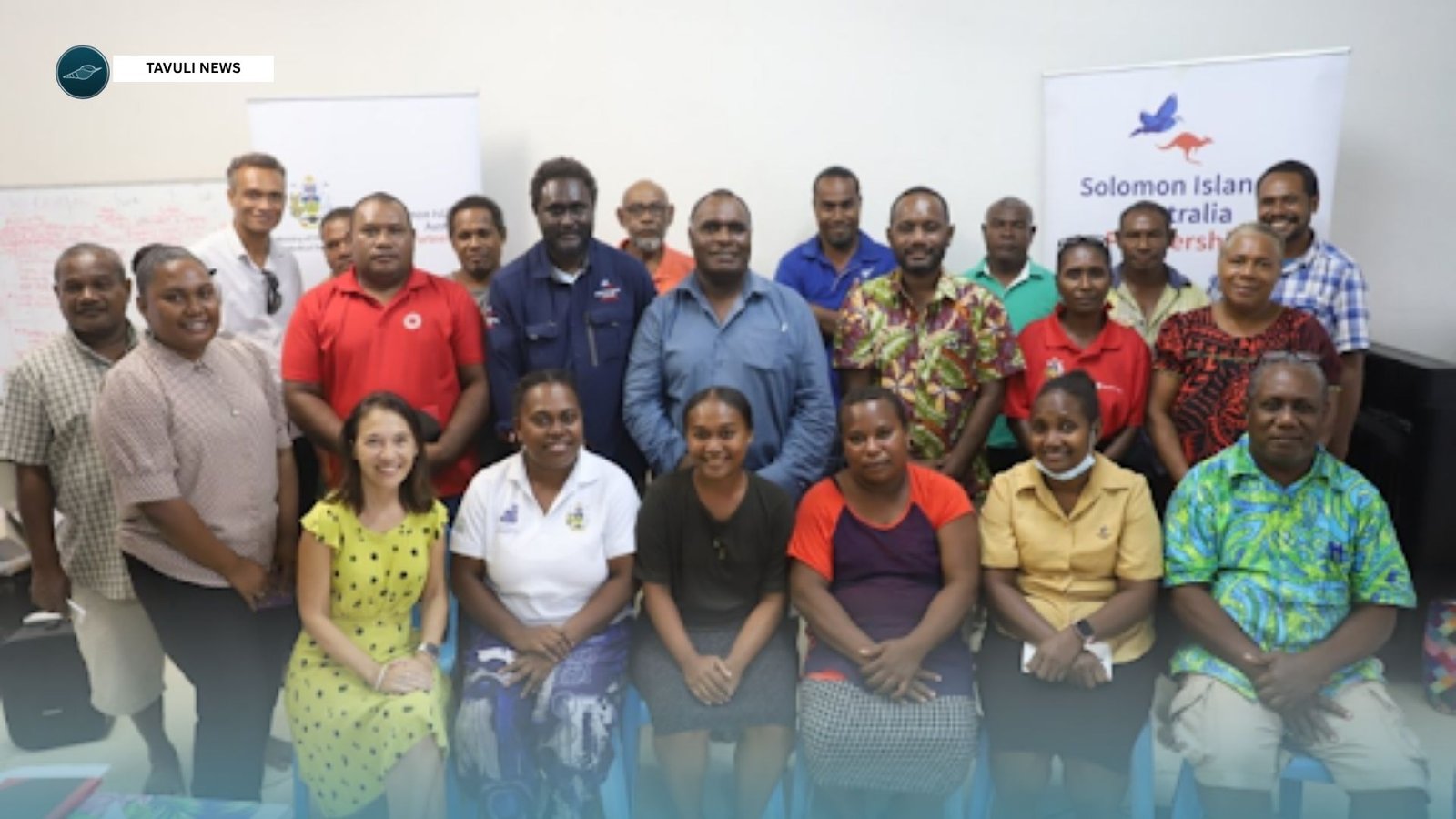
The first Makira-Ulawa Provincial Health Summit was convened in Kirakira from 11-15 May 2026. The summit was organised by the Makira-Ulawa Provincial Health Service, with support from Australia. The Summit forms part of Ministry of Health and Medical Services (MHMS) national rollout of the Primary Health Care Performance Initiative (PHCPI) to strengthen primary health care services at the provincial level.
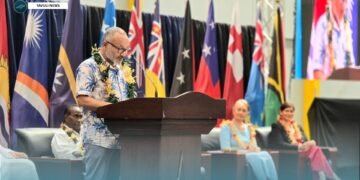
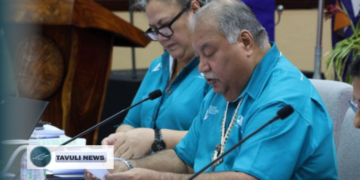
Held under the theme “Tok Stori, Lokol Vosis, Lokol Solusons,” the summit created space for open dialogue on the state of primary health care in Makira-Ulawa Province. Provincial Health Director, Dr Aloysius Samo, opened the summit by highlighting that improving health services is not only the responsibility of the health sector, but also requires stronger partnerships with communities, churches, the provincial government and other sectors.
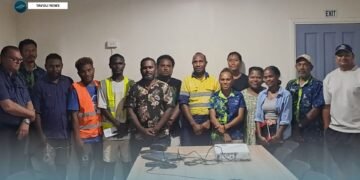
Over five days, participants reviewed the provincial primary health care system using the PHCPI framework, developed a Provincial Health Scorecard, identified key system gaps, and practised practical problem-solving tools such as Root Cause Analysis and Plan-Do-Study-Act cycles.
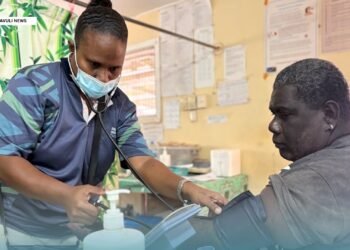
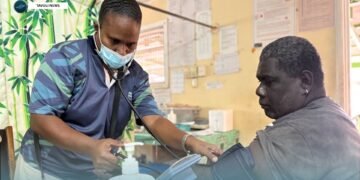
The first three days focused on understanding Makira-Ulawa’s primary health care system through both data and tok stori. Participants reflected on the reality that primary health care is often the first point of contact for people through rural clinics, outreach services, and community-based activities. Discussions highlighted that while clinics are the entry point to care, many services remain focused on treatment, with limited time, staff and resources available for prevention, health promotion, screening and community engagement.
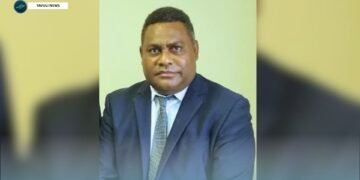
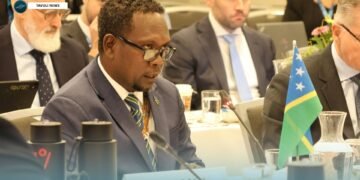
Hon. Donald Tahani, Makira-Ulawa Provincial Minister for Health, highlighted the importance of addressing the root causes of health issues.
“We can train more staff, improve equipment, build better housing, and make sure medicines are available. But if we only treat the illness in front of us, we are not solving the deeper problem. Many health issues start with behaviours in our homes and communities. If we want real and lasting change, we need to invest in education and start with our children. That is how generational change begins.”
Several practical issues were selected for group problem-solving, including public littering, birth before arrival at hospital in Kirakira, market food safety, and long waiting times at the hospital outpatient department.
Curtis Beneteti, Hospital Secretary of Makira-Ulawa Province, reflected on the value of the summit.
“I have worked here since 2015, and in that time, we have had individual programme trainings, but never anything that looks at the whole health system. It is easy to keep going with the day-to-day work, so it was really valuable to stop, reflect, and think about things differently. Engaging provincial government and community members was also important, and we are looking forward to working more closely with them.”
Australian High Commissioner Jeff Roach said the summit demonstrated the importance of locally driven solutions and strong provincial partnership.
“Australia is working alongside MHMS, provincial leaders and communities to strengthen primary health care so people can access better services closer to home,” the High Commissioner said.
“The people who know how best to improve health services in Makira-Ulawa are the citizens of Makira-Ulawa. Bringing local people together at this kind of summit is a great way to make sure communities see real, practical benefits from our support.”
The summit closed with a strong commitment to continue collaboration, building on the relationships developed during the week and using local voices to shape local solutions for improved health outcomes across Makira-Ulawa Province.
PRESS RELEASE