









































MALD strengthens biosecurity controls in Western and Malaita to protect agriculture, food security and trade

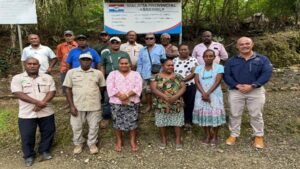
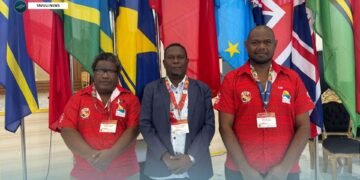
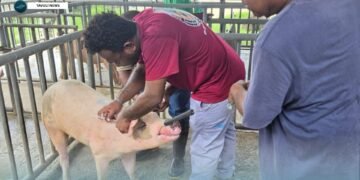
The Ministry of Agriculture and Livestock Development (MALD), through Biosecurity Solomon Islands (BSI), has reaffirmed its commitment to strengthening biosecurity controls in Western and Malaita provinces to better prevent and respond to the spread of plant and animal pests and diseases.
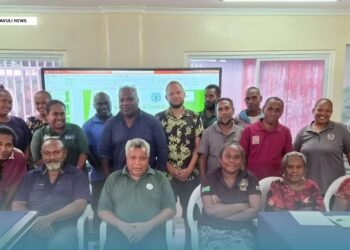
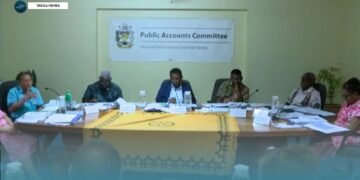
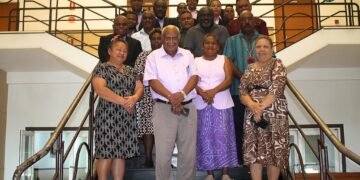
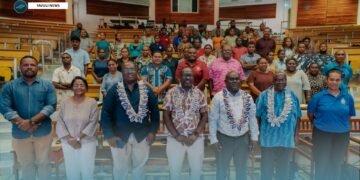
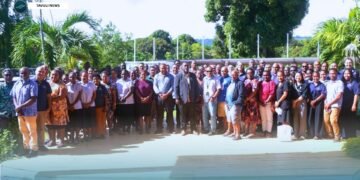
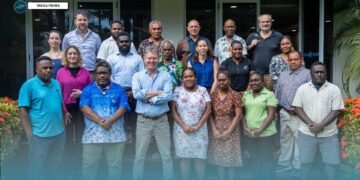
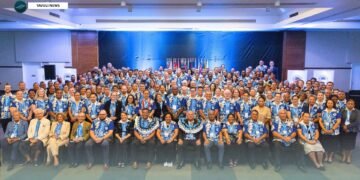
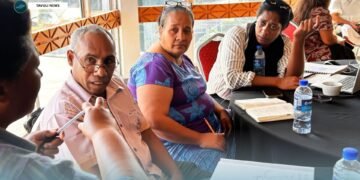
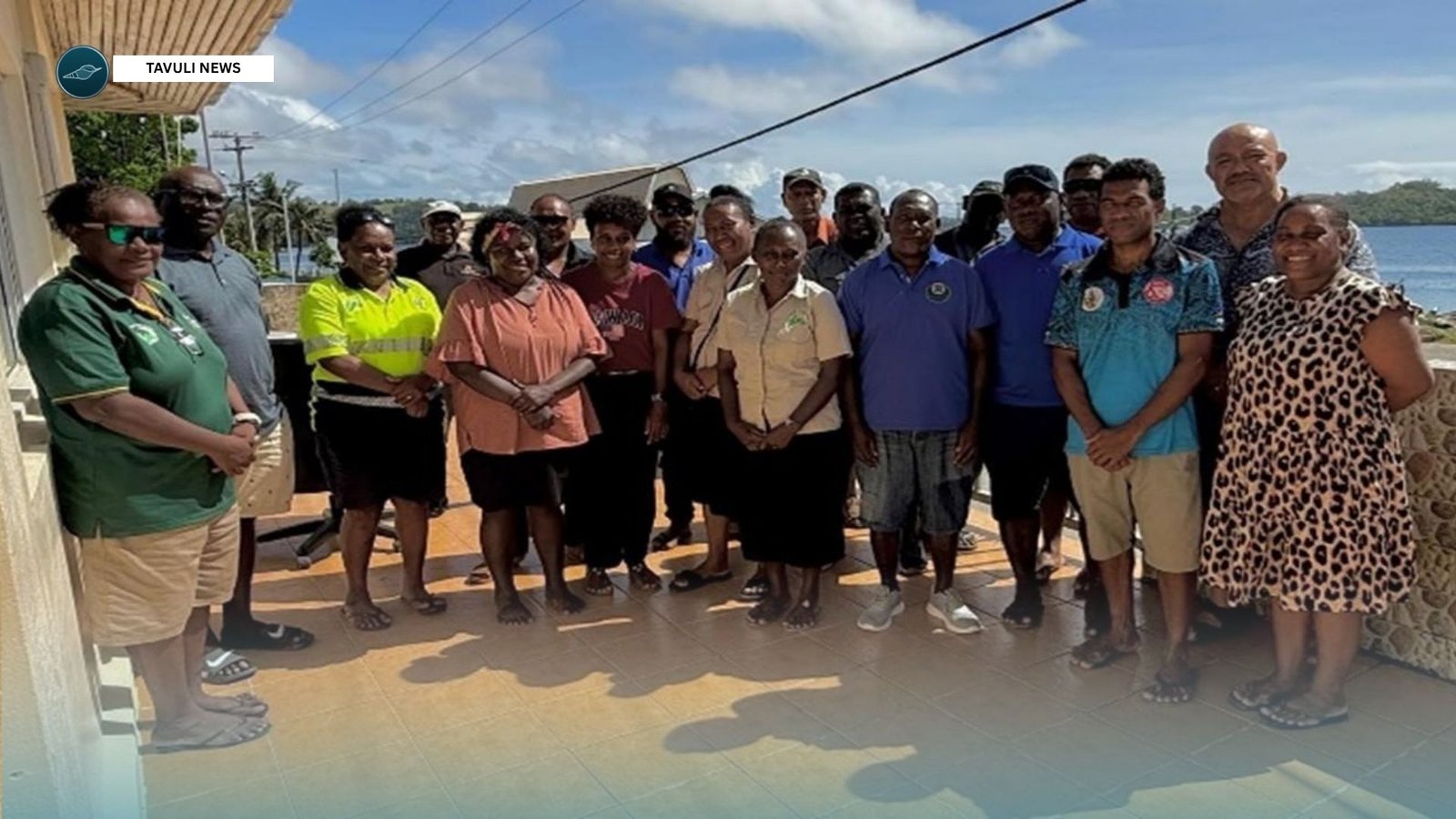
Consultations were recently held in Gizo and Auki with provincial governments, community representatives, women’s groups, and other stakeholders. These consultations are part of a pilot initiative supported by the Australian Government-funded Solomon Islands Biosecurity Development Program (SIBDP) aimed to inform the development of Internal Biosecurity Controls in the country’s nine provinces.
BSI through the program will work closely with provincial governments and stakeholders to ensure that practical and functional Biosecurity Internal Control (BIC) systems are established in both provinces.
Biosecurity is an important component in supporting agricultural production, safeguarding food security, protecting livelihoods, and maintaining market access. Over 70 percent of the Solomon Islands population living in the rural areas rely heavily on agriculture and natural resources for subsistence.
The activity to establish and improve Biosecurity Internal Controls is both necessary and important. Better procedures will help prevent pests, diseases and alien invasive species moving across provinces and islands, safeguarding communities, farmers and the broader economy.
Discussions during the consultations highlighted the need for closer coordination among national agencies, provincial governments and local communities to respond effectively to growing threats posed by pests, diseases and invasive species affecting agriculture, food security, livelihoods and trade.
Stakeholders from both provinces support the establishment of Biosecurity Internal Controls and reaffirmed their commitment to work hand-in-hand with MALD on agreed next steps going forward. It is also agreed that effective biosecurity requires the collective action and sustained commitment by all governments and civil society over the long-term.
Participants noted that the increasing movement of people, goods, and agricultural products between islands and provinces and compounded by the impacts of climate change have heightened the risk of further spread, underscoring the importance of strengthening internal biosecurity measures before new pests and diseases become established.
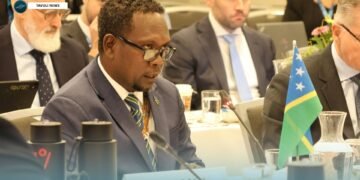
In Western Province, Deputy Provincial Secretary Collin Potakana welcomed the initiative and reaffirmed provincial support for the program.
“The Provincial Governments are fully supportive of the work being undertaken by BSI and MAL. We recognise the importance of strengthening internal biosecurity controls and look forward to the agreed next steps to ensure this work is implemented effectively to address the issues identified during these discussions,” he said.
Mr. Potakana also highlighted strong provincial support for continued investment in biosecurity systems, including increasing biosecurity funding, strengthening operational capacity, and supporting the long-term institutional development of BSI, including discussions around transitioning BSI into a State-Owned Enterprise (SOE) model to strengthen service delivery, operational sustainability, and national coordination.
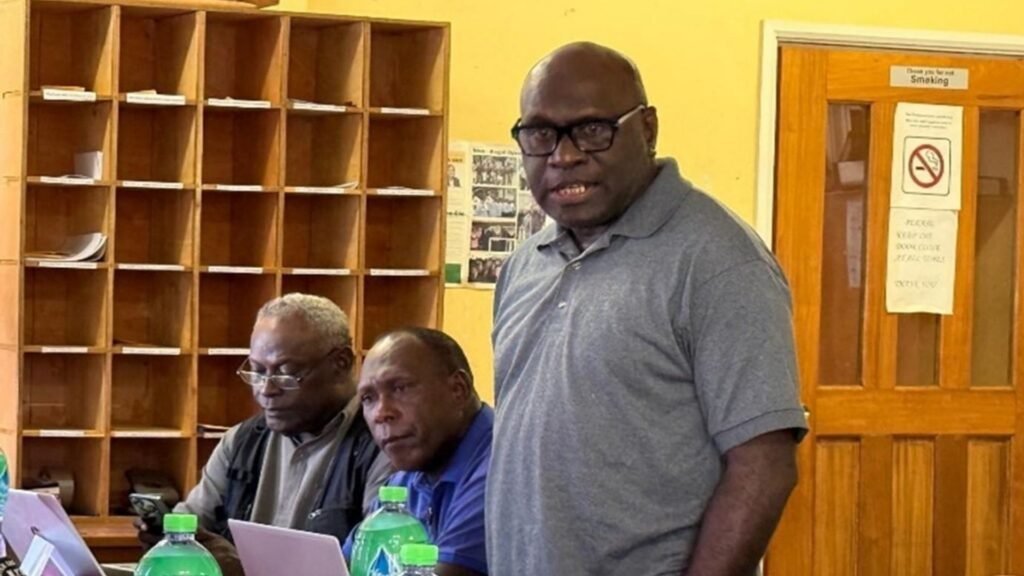
Consultations held in Malaita province highlighted the importance of strengthening the legislative framework to support internal biosecurity measures.
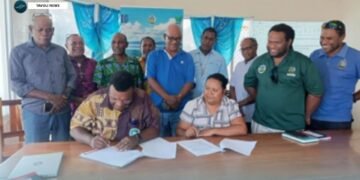
Malaita Provincial Government Legal Draftsman Godfrey Male welcomed the initiative and confirmed the province’s willingness to progress the development of a Provincial Biosecurity Ordinance.
He noted that the province has already advanced several ordinances through the drafting process and would consider incorporating biosecurity legislation into its ongoing legislative priorities.
Stakeholders agreed that one of the immediate priorities would be the establishment of a provincial taskforce or committee to lead, coordinate, and oversee the implementation of actions identified during the consultations.
The taskforce will prepare an implementation plan in consultation with key stakeholders, identifying priority activities and resource requirements, and presenting recommendations for consideration by the respective Provincial Assemblies.
Western Province Women’s groups representative Nanette Panada highlighted the need for improved access to information, training, and market support for rural women and farming communities.
“Women in our communities want to be part of the solution. We would like to see the establishment of an information hub and multi-functional facility where communities can learn more about biosecurity and access other agricultural support services. It would also provide a place where women and farmers can consolidate and prepare agricultural products for export opportunities,” she said.
Ms. Jean E. Manepora BSI Director acknowledged points raised in the consultation and called on all stakeholders to work together to ensure the program has a tangible result.
“We have had productive discussions and there is strong willingness from Provincial Governments and stakeholders to support this initiative. The important next step is turning these discussions into action. The establishment of a taskforce provides a mechanism to coordinate efforts, develop a clear plan, and ensure that recommendations are progressed through the appropriate provincial processes,” she said.
The pilot initiative is expected to provide valuable lessons and a model for strengthening internal biosecurity arrangements across the Solomon Islands, helping to protect agricultural production, livelihoods, food security, and the nation’s unique natural environment for future generations.
This initiative is supported by the Australian Government through the Department of Foreign Affairs and Trade (DFAT) and Department of Agriculture, Fisheries and Forestry (DAFF) as part of ongoing support to strengthen biosecurity systems in the Solomon Islands and across the Pacific region.
MALD Press Release