






















Tulagi’s Nambawan Haus Museum opens, preserving Solomon Islands’ history, culture and colonial heritage for all
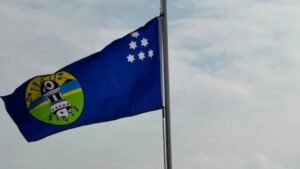
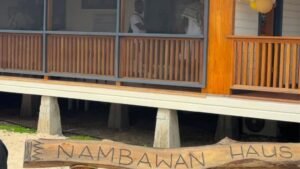
Perched atop a hill high above Tulagi Township, the sweeping 360-degree views stretch across the vast expanse of Iron Bottom Sound. Framed by surrounding islands and deep ocean blues, the location once served as the home of British Resident Commissioner Charles Woodford during the colonial era of the British Solomon Islands Protectorate. Today, that same hilltop marks the reopening of a site carrying layers of history and cultural significance.
Only 42.7 kilometres of sea separates Tulagi from Honiara. Despite the close proximity of the two urban centres, the story and significance of the former capital remain less known among many Solomon Islanders.
In 1893, Britain declared the Solomon Islands a British Protectorate. Four years later, in 1897, Tulagi was established as the administrative centre of the protectorate, becoming the base for colonial administration.
With its rich history and close proximity to Honiara, Tulagi is expected to attract renewed interest from local and international visitors. The return trip to Tulagi via OBM costs SBD$150. Beyond the journey itself, the island offers a connection to different periods of history, tracing not only the era of the British Solomon Islands Protectorate, but also the stories of the people who first inhabited Ngella and surrounding islands.
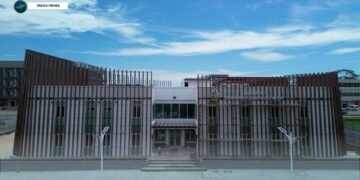
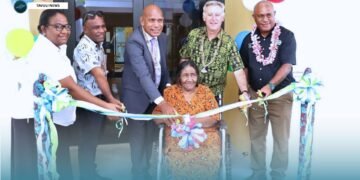
The historic Nambawan Haus Museum has officially reopened as the Solomon Islands’ second national museum, marking a new chapter in efforts to preserve the country’s cultural heritage.
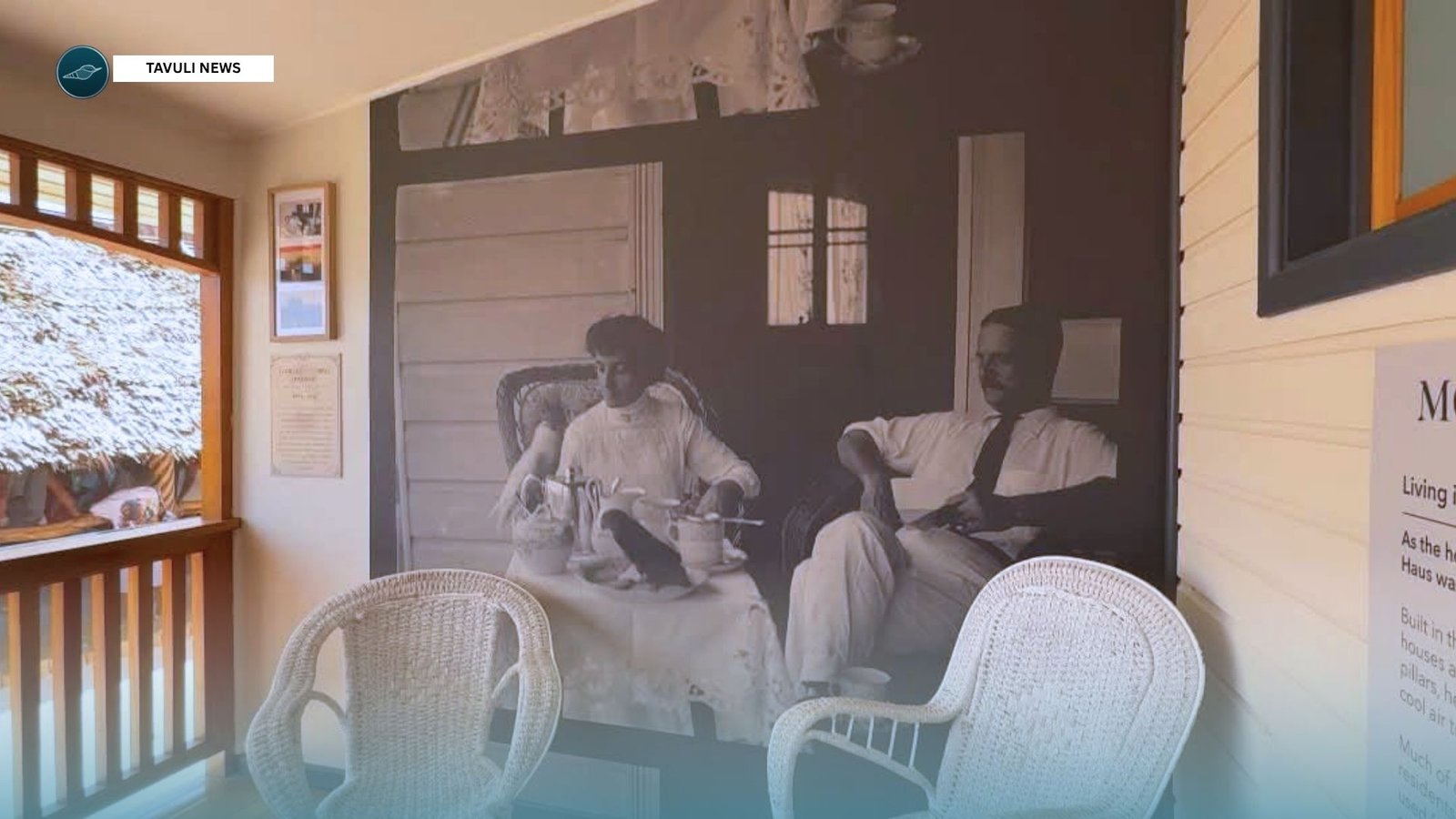
The new building recreates the original 1904 home of Charles Morris Woodford, the first British Resident Commissioner.
While built during the colonial period, the original structure also involved the contribution of local workers, including those from Malaita.
Spearheading the restoration and design of the museum is Kastom Keeper Ms. Millicent Barty, who shared the dedication required to bring the Nambawan Haus Museum project to completion.
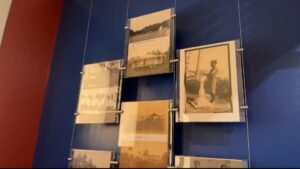
Working with a team of craftsmen from Langalanga, Ms. Barty carefully designed both the interior and exterior of the building to reflect the original 1904 structure. Her team used historical references to recreate important details of the building and develop displays connected to the site’s history.
Reflecting on the journey during an interview with the media, Ms. Barty described the experience as emotional and rewarding, saying she was honoured to have contributed to the project.
“I feel very honoured that my team and I are participating and able to design and deliver the exhibition of the Nambawan Haus, it feels overwhelming, fun and emotional at the same time.”
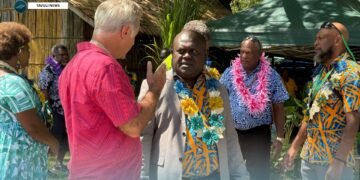
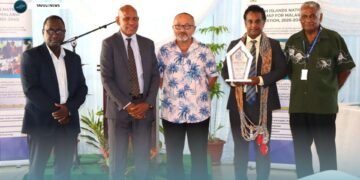
Central Province Premier Kenneth Sagupari praised the work of those involved in the project, saying their efforts helped bring together historical memories and local craftsmanship.
Reflecting on Tulagi’s history, Premier Sagupari described the island as the birthplace of the modern Solomon Islands. He said that while the township is now often described by some visitors as a “ghost town”, its history includes early governance, church development, and wartime experiences.
“Today however, visitors to Tulagi see it as very quiet which has been described by many as ‘GHOST TOWN’. Yet those who understand its history know that beneath its peaceful surroundings lies the birthplace of Solomon Islands.”
The Premier highlighted the new $4 million Nambawan Haus Museum as an important space for education and cultural preservation. He said the project aims to preserve thousands of years of cultural knowledge while contributing to renewed interest in Tulagi.
Among the museum’s key exhibits is the traditional Binabina War Canoe, constructed by Chief William Semu using traditional methods passed down through generations.
“I must congratulate the permanent secretary and the staff of the Ministry of Culture and Tourism for their unwavering belief that led to the allocation of 4 million dollars to complete this Nambawan Haus Museum project.”
“To everyone who has contributed in one way or another in making this Museum to be what it is today, I thank you for all your contribution.”
For those involved, the Nambawan Haus National Museum represents more than a historical monument. It reflects efforts to preserve stories of identity, resilience, and cultural knowledge for future generations.
The museum brings together different chapters of Solomon Islands’ history, from traditional knowledge and early church development to colonial administration and the experiences of World War II.
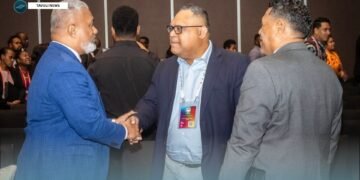
Minister for Culture and Tourism James Bonuga said Tulagi played an important role during the British colonial era, with many decisions that shaped the country’s development made from the island.
“As many of us know, Tulagi once served as the administrative capital during the British colonial era, many important decisions that shaped our country’s development were made from this very island.”
“The Museum also honors the sacrifice and resilience of those who lived through the Second World War.”
“History saves our identity, history teaches resilience, History guides our future.”
The museum is intended to serve as an educational space, providing future generations with access to knowledge about Solomon Islands’ origins and heritage.
Through the work of provincial leaders, local craftsmen, cultural practitioners, and supporting partners, the Nambawan Haus Museum provides a space where stories of the past can continue to be shared.
Craftsman Silas Kaoni said seeing their work displayed at the museum was a proud moment for local artisans.
“As a craftsman, I am happy to attend and see our work displayed, and I am available for any request on custom made crafts.”
By Margret Nuake