



































Vavalu Primary School receives new WASH facilities improving health, hygiene, and student attendance
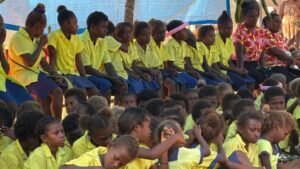
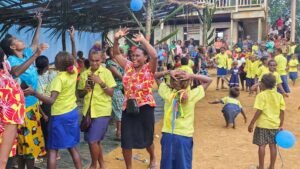
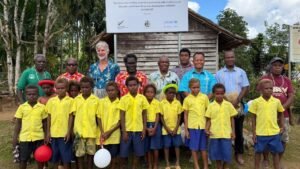

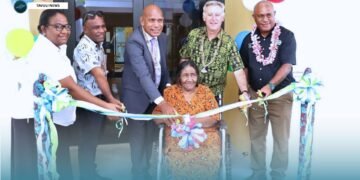
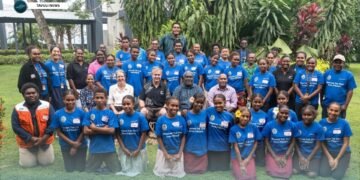
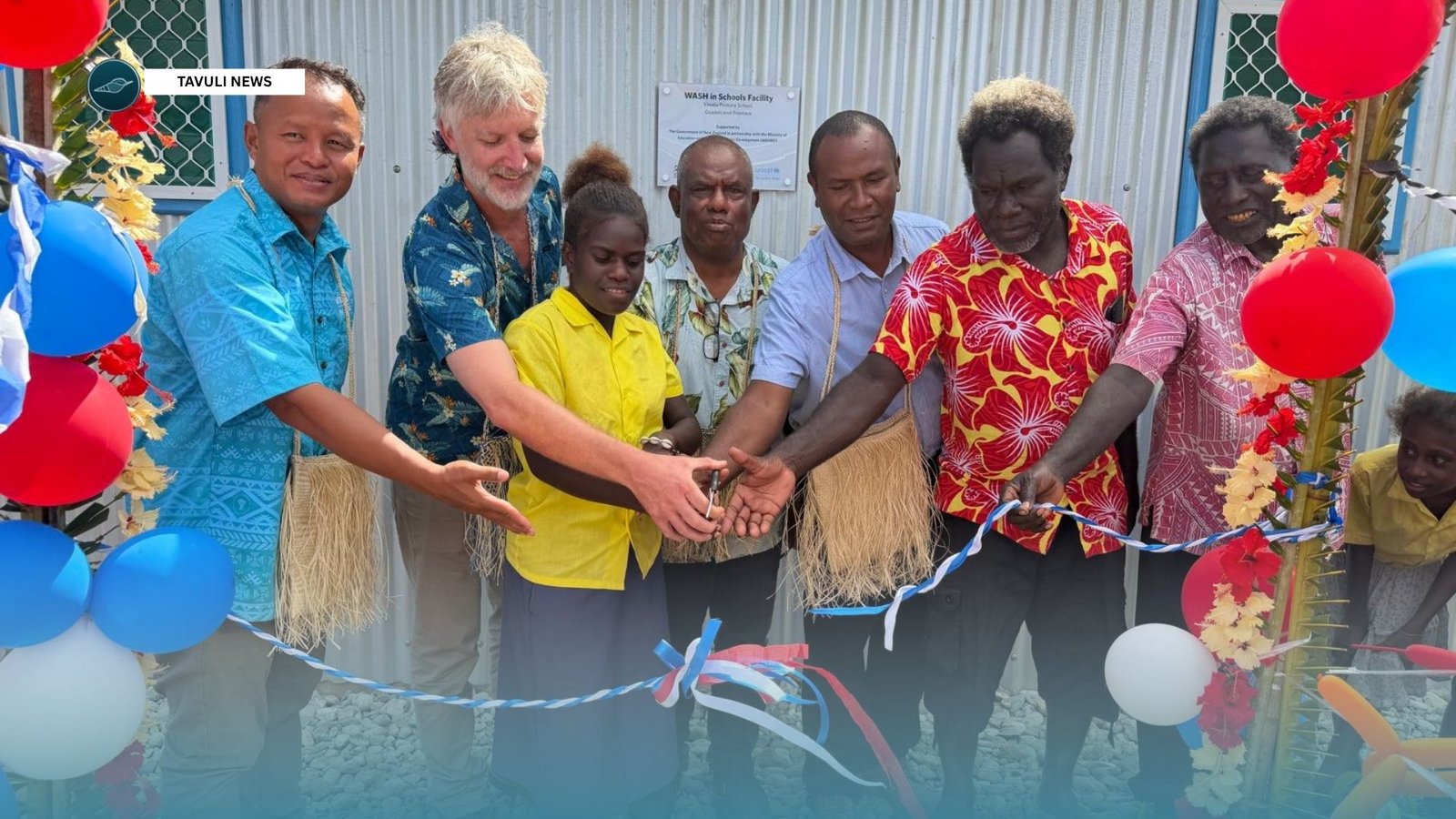
More than 200 students and teachers at Vavalu Primary School in Central Guadalcanal are now enjoying access to safe drinking water, improved sanitation and proper handwashing facilities following the official handover of new Water, Sanitation and Hygiene (WASH) infrastructure on World Menstrual Hygiene Day, 28 May 2026.
The facilities were delivered through a partnership between the Government of New Zealand, UNICEF, the Ministry of Education and Human Resources Development (MEHRD), the Guadalcanal Provincial Government and the school community, aiming to create a healthier and more supportive learning environment for children. The project addresses long-standing challenges that had affected student wellbeing, hygiene and school attendance for many years.
“This facility is a real blessing for our school, especially for our girls,” said Vavalu Primary School Principal Timothy Tangiavoa. “Absenteeism has improved a lot, particularly among girls during menstruation, because we now have sanitary pads available and we also teach menstrual hygiene in our classes.”
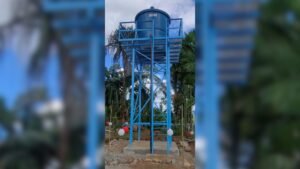
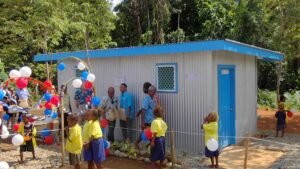
The new facilities include a sustainable spring-fed water supply system, an elevated water storage tank, gender-friendly ablution blocks and multiple handwashing stations. Together, they provide students and teachers with reliable access to clean water and safe sanitation services that support health, dignity and regular school attendance.
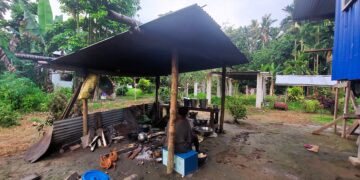
Mr Tangiavoa said the project has already made a noticeable difference at the school, replacing outdated facilities that included open pit toilets, later sato pan systems, and makeshift handwashing stations constructed from bamboo, plastic bottles and jerry cans.
“These facilities have completely changed the way our students learn and take care of themselves at school,” he said. “We now have a safer and cleaner environment that encourages children to attend classes every day.”
The improvements at Vavalu Primary School form part of the New Zealand–UNICEF WASH in Schools Programme, which is supporting 39 schools across Guadalcanal Province. To date, construction has been completed in 27 schools, benefiting more than 4,000 students and teachers.
New Zealand High Commission in Solomon Islands Acting Development Counsellor Luke Kiddle said New Zealand is proud to partner with UNICEF, the Solomon Islands Government and Guadalcanal Province to improve access to water, sanitation and hygiene facilities in schools.
“Since 2016, New Zealand has supported WASH improvements in schools across Honiara and Guadalcanal Province, helping thousands of students gain access to safer learning environments. New Zealand is committed to supporting students and teachers to stay healthy, attend school more regularly and focus on learning,” Mr Kiddle said.
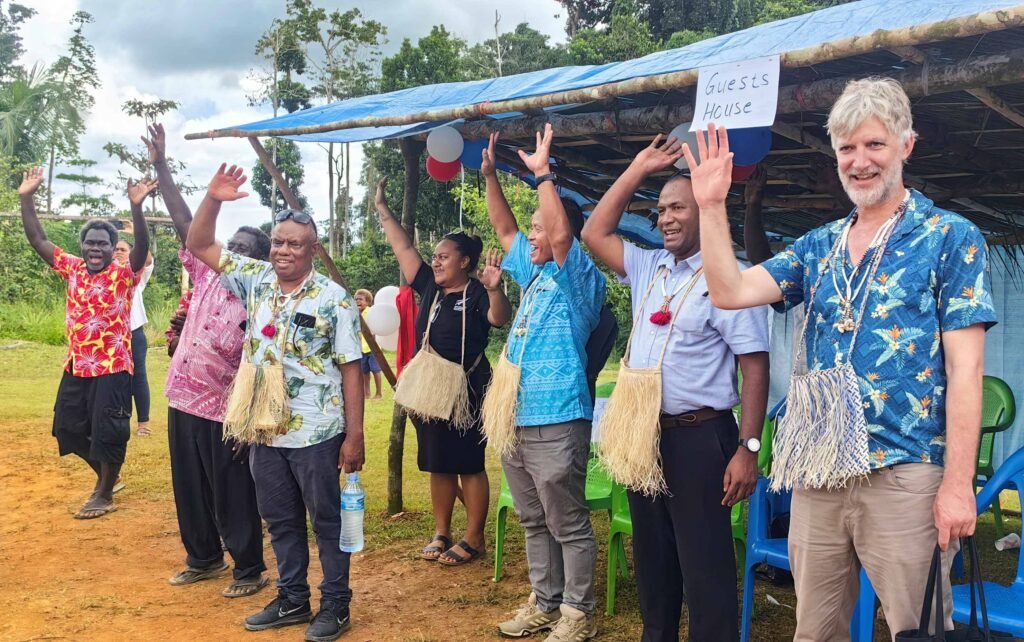
Deputy Secretary Corporate Services of MEHRD, Coldrine Kolae, said the project demonstrates the importance of partnerships in delivering essential services to schools and communities.
“Education is a shared responsibility, and this partnership we are witnessing today will have a direct impact on the wellbeing, hygiene and learning of students here,” Mr Kolae said. “Children face many challenges, but these facilities will support them both now and into the future.”
Guadalcanal Premier Willie Atu described the handover as an investment in the future of the province’s children.
“We are here to witness an investment in the health, dignity and academic future of our children,” Mr Atu said.
UNICEF WASH Specialist Basilius Kris Cahyanto said access to quality WASH facilities is fundamental to ensuring every child can learn in a safe and supportive environment.
“Children must have access to clean running water as well as safe, private and gender-friendly toilets if we are to keep them in school and help them learn with dignity, comfort and confidence,” he said.
The handover coincided with World Menstrual Hygiene Day, highlighting the critical role that safe sanitation and menstrual hygiene facilities play in ensuring girls can attend school regularly and participate fully in their education.
PRESS RELEASE