






























Solomon Islands government estimates $150 million is required for recovery after Cyclone Maila, focusing on key sectors.
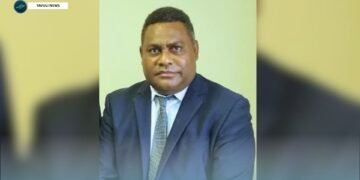
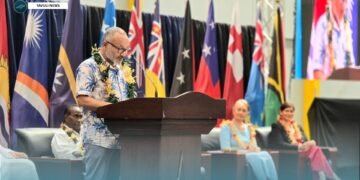
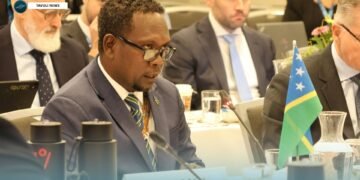
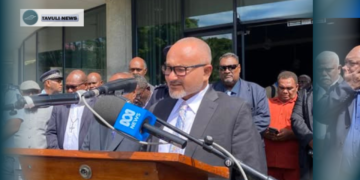
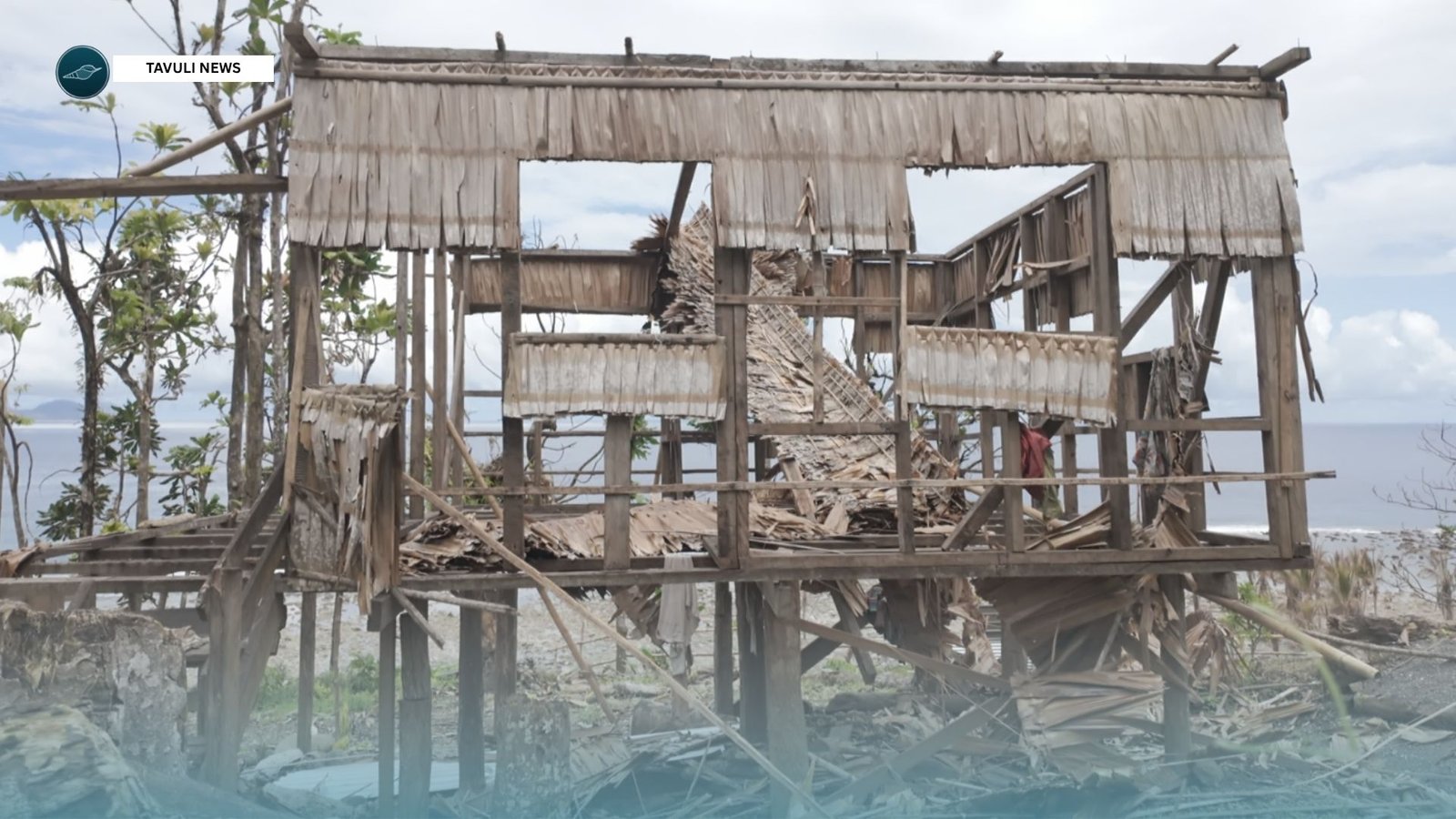
The Solomon Islands government estimates that approximately $150 million will be required to support recovery efforts following the impacts of Tropical Cyclone Maila, according to Minister for Environment, Climate Change, Disaster Management and Meteorology Wayne Ghemu.
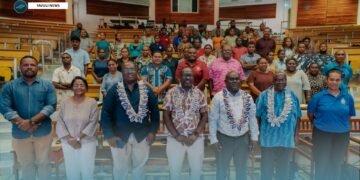
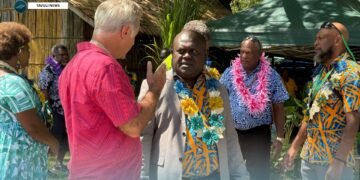
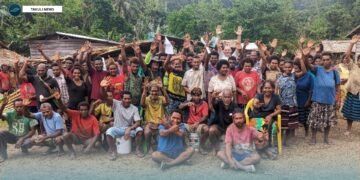
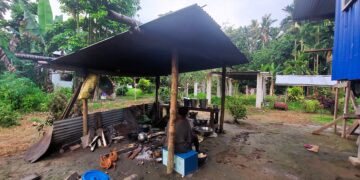
The estimate follows assessments conducted in cyclone-affected provinces, including visits by the Prime Minister to impacted communities. Wayne Ghemu said recovery efforts will focus on key sectors including health, education, livelihoods, and housing.
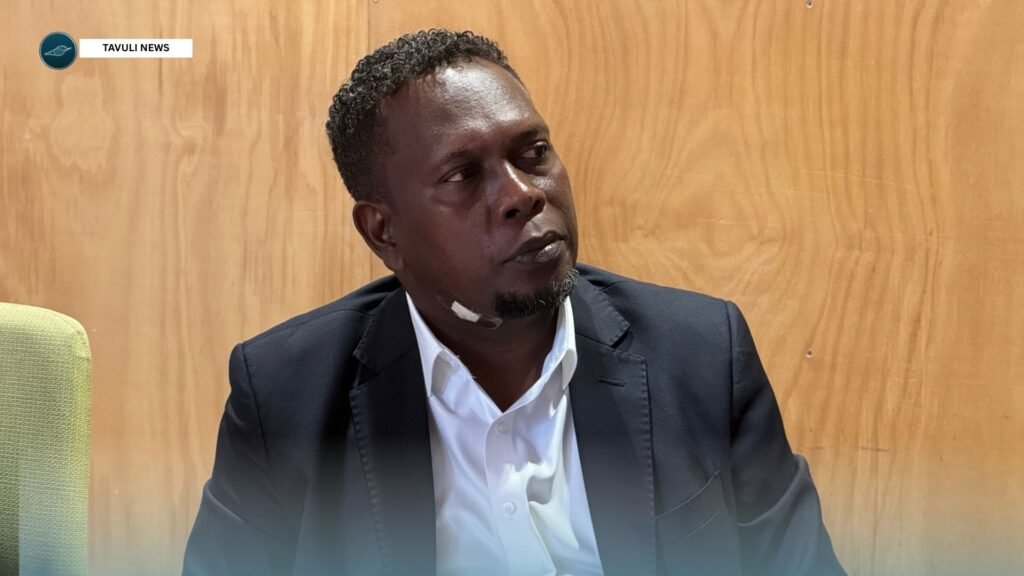
Speaking on the recovery plan, Mr Ghemu said the funding requirement reflects the extent of damage and the need to restore essential services and community infrastructure.
“The approach is central to ensuring that education, health, safety, shelter, and other relief efforts are well covered,” Ghemu said.
Permanent Secretary David Hiba said the initial recovery estimate was SBD118 million, but the new government later considered a total budget of SBD150 million to fully support the recovery process.
He said the earlier estimate did not include costs associated with the education sector and shelter recovery.
“In our discussions with the Prime Minister and the Great Coalition Government, there was an intention to include the education sector and shelters. That is why the cost of the new budget was adjusted to cater for this,” Hiba said.
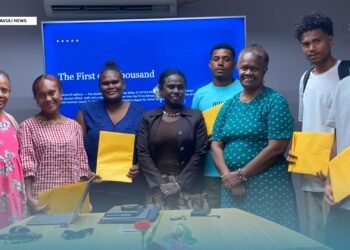
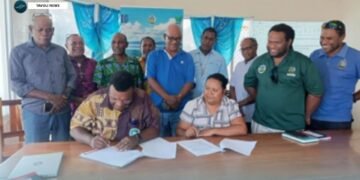
The government has also confirmed access to a USD $5 million emergency financing facility through the World Bank’s Catastrophe Deferred Drawdown Option (Cat DDO). The mechanism allows rapid access to funds following the declaration of a national disaster or state of emergency.
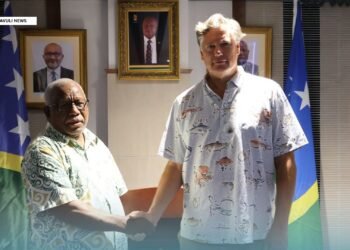
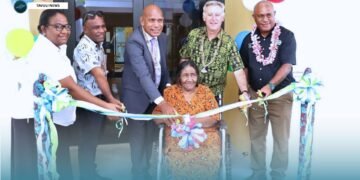
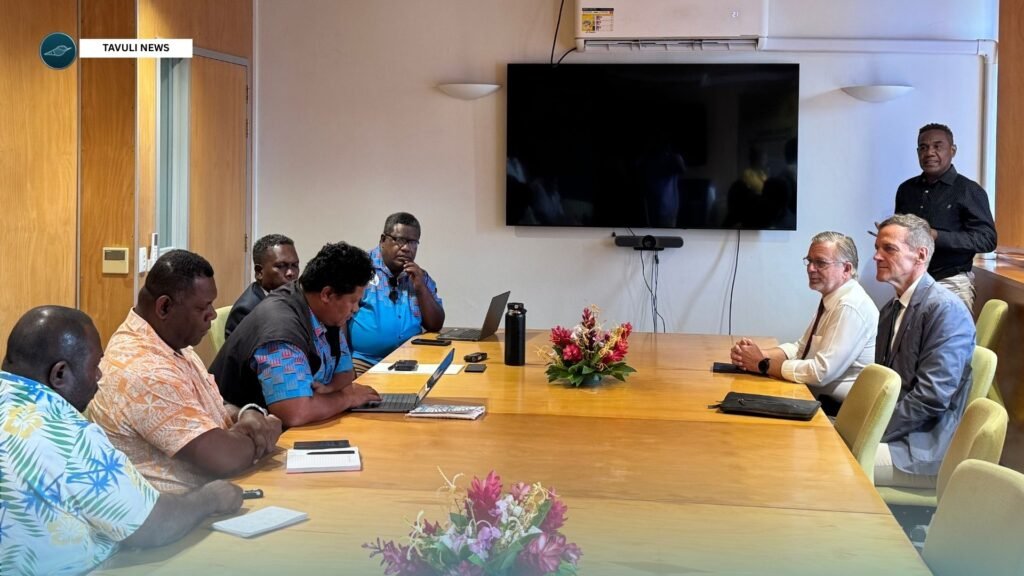
World Bank Resident Representative for Solomon Islands and Vanuatu, Bernard Harborne, said the funding would be transferred directly to the Ministry of Finance for allocation.
“This is a cheque for 40 million SBD which we give to the Ministry of Finance, and then how they allocate that finance is really up to the Ministry of Finance,” Harborne said.
“So, it’s in response to the disaster, very much earmarked for the early recovery plan, and how the government wishes to spend that money is really up to them, based on where they see the needs.”
Harborne said priority attention should be given to damaged schools and health services.
“What I would suggest is really focusing on the 16 schools that are closed because they were completely damaged, or damaged to the extent that they can’t be used currently, and then very much looking at the health initiatives,” he said.
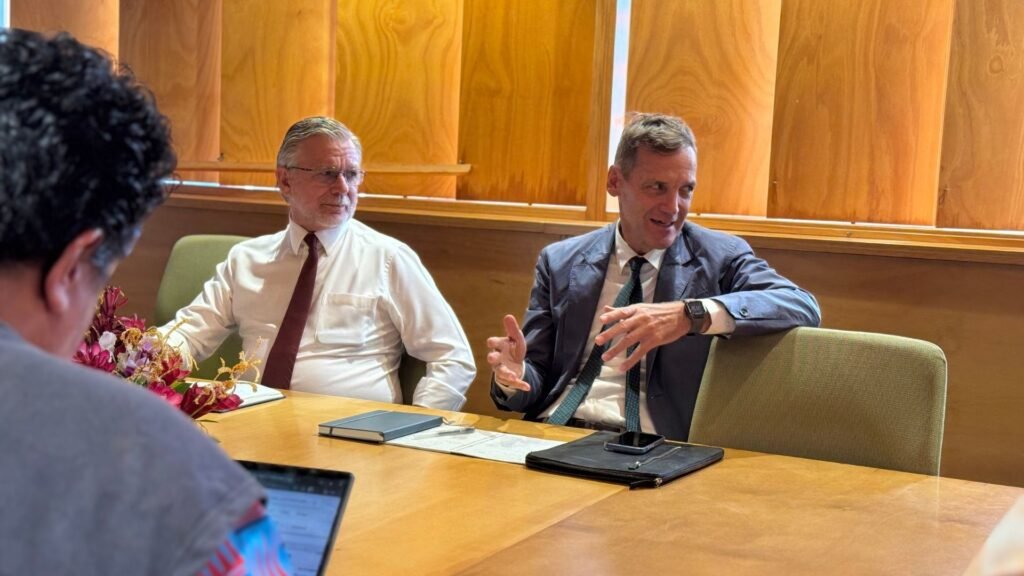
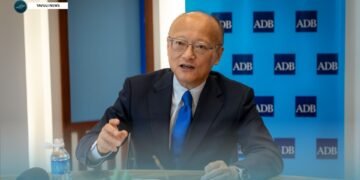
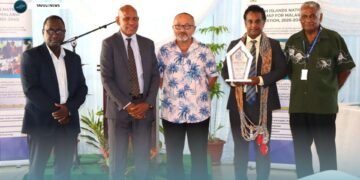
In addition, the Asian Development Bank (ADB), through its Contingent Disaster Financing modality, is providing USD $5 million, along with a further USD $500,000 under its Pacific Approach for Climate Resilience and Integration (PACRI) programme to support response and recovery activities.
ADB Country Director for Solomon Islands, Anthony Gill, said the government’s disaster management and response capacity had improved significantly.
“I think the government has demonstrated that disaster management and response capability are improving significantly, both in their ability to assist and their ability to respond to damage,” Gill said.
“Of course, development partners such as the Asian Development Bank have a desire and a responsibility as partners to facilitate and help the government in these disaster response efforts, which we are very privileged and proud to be able to support.”
According to the government, the financing arrangement is intended to support immediate response and recovery activities while broader reconstruction efforts continue.
Additional support is expected from development partners, including the governments of Australia, New Zealand, the United Kingdom, the United States, and China. The Solomon Islands government also plans to reprioritize parts of its 2026 budget to address urgent recovery needs.
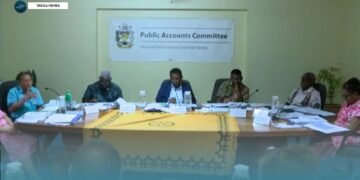
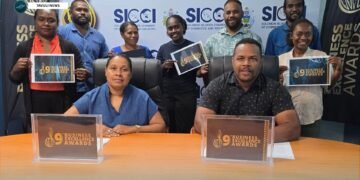
Acting Permanent Secretary and Deputy Secretary Fiscal at the Ministry of Finance, Coswal Nelson, said there is a process in place to ensure accountability in the use of recovery funds.
“When NDMO submits the plans, they include all the costs and how the money will be spent, so the ministry is facilitating to ensure that transparency is taken into account,” Nelson said.
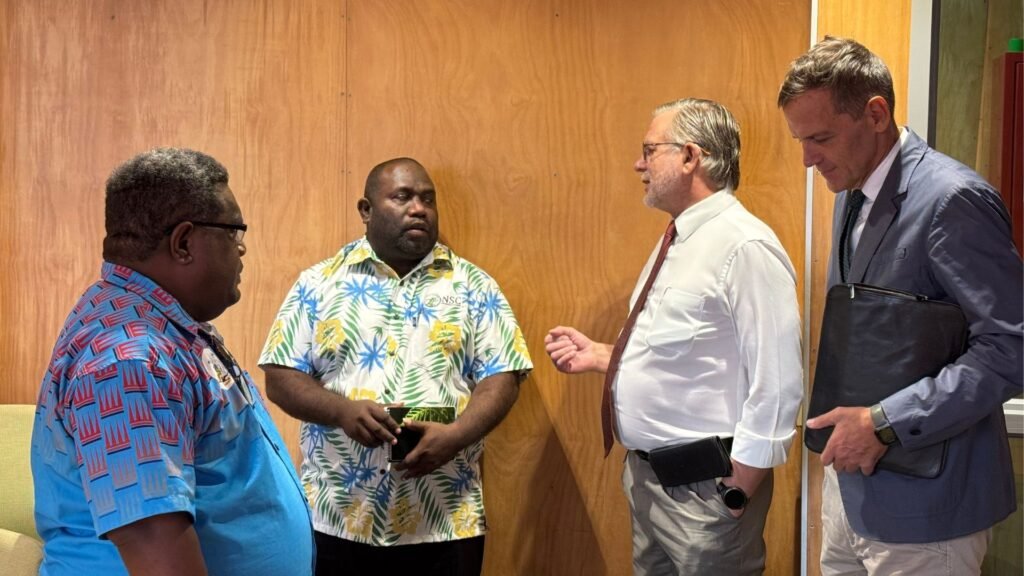
Mr Ghemu noted that while disaster financing mechanisms are important for emergency response, administrative and approval processes can sometimes affect the speed of fund disbursement.
He said continued cooperation between government agencies and development partners would be important in improving procedures and strengthening the country’s disaster response systems in the future.