




MALD and FAO strengthen capacity to deliver the USD4.7 million GEF sustainable agriculture project in Solomon Islands
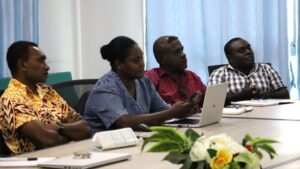
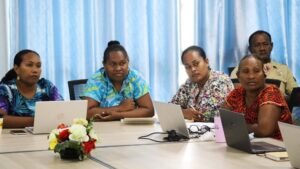
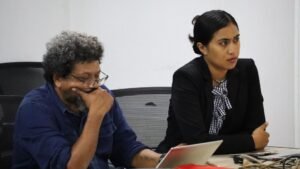
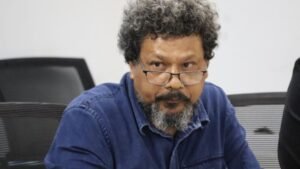
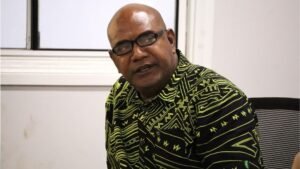
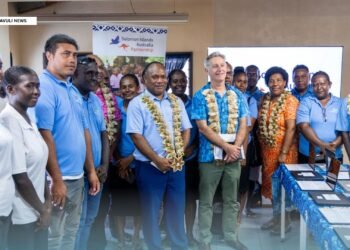
The Ministry of Agriculture and Livestock Development (MALD), in partnership with the Food and Agriculture Organization of the United Nations (FAO), on 30 June 2026 started a three days capacity building workshop aimed at strengthening the ministry’s institutional systems to enable the implementation of a USD 4.7 million-dollar Global Environment Facility (GEF) funded project.
The training brought together MALD officers and the Ministry Environment, Climate Change, Disaster management and Meteorology (MECDM) to strengthen competencies in work planning, risk management, monitoring and evaluation, asset and inventory management, and financial management and internal controls key areas required to meet international accountability standards for donor-funded projects.
The workshop follows a Harmonized Approach to Cash Transfers (HACT) assessment conducted within the ministry as part of preparations for the Revitalization and Transforming Solomon Islands Food Systems through Sustainable Agriculture and Livestock Production for Enhanced Environmental and Community Benefits project.
The GEF Chief Executive Officer approved the project in May 2025.
MALD Deputy Secretary Special Duties Simon Baete, welcomed participants and thanked FAO, Lochan & Company, and its affiliate- Baoro associates for facilitating the training.
“This training is both timely and highly relevant. The areas we will cover are fundamental to improving the effectiveness and accountability of our ministry,” he said.
He added strengthening institutional systems would enable the ministry to plan more effectively, manage risks proactively, safeguard public resources and improve service delivery to farmers and rural communities.
“The greatest value of this programme will not simply be the knowledge we gain, but how we apply that knowledge in our daily work. Together, we can strengthen our systems, enhance our performance and deliver better outcomes for our farmers, rural communities and the nation as a whole,” he said.
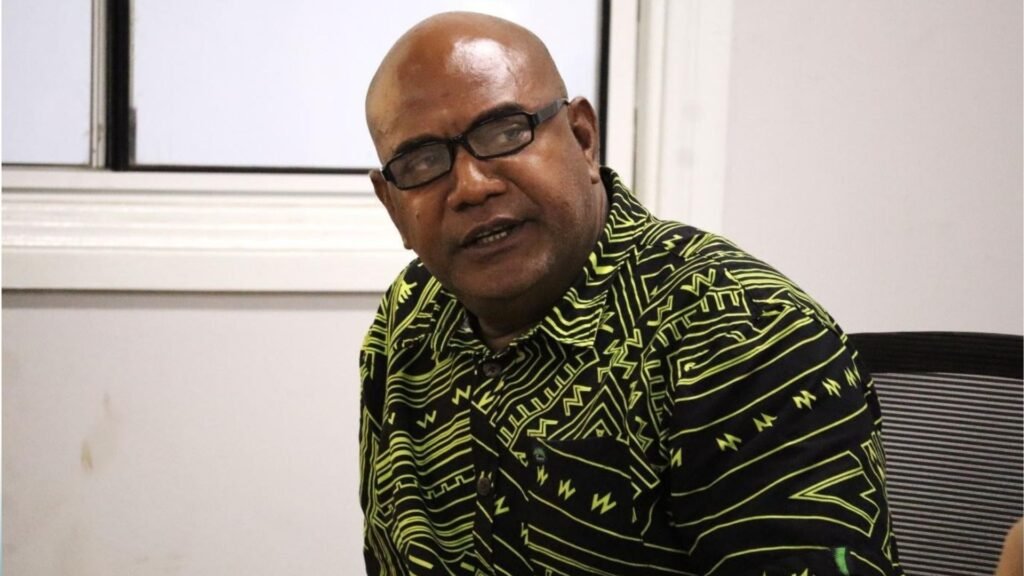
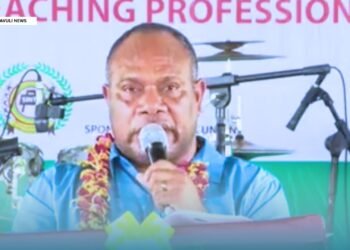
Meanwhile, at the workshop opening, FAO Representative for Solomon Islands, Douglas Yee, said the training is a critical step towards ensuring the successful delivery of development projects in the country.
“FAO considers this training particularly important as we continue to support the design and development of projects and programmes in Solomon Islands. Like any development partner, we want to see projects implemented successfully and deliver meaningful results for the people they are intended to serve,” Mr. Yee said.
He added that under FAO’s Operational Partners Implementation Modality (OPIM), government agencies can receive significant project funding directly through Operational Partner Agreements, making robust financial systems and governance essential.
He reaffirmed FAO’s commitment to supporting Solomon Islands through its strategic vision centred on the “Four Betters”—Better Production, Better Nutrition, Better Environment and Better Life.
The workshop reflects MALD and FAO shared commitment to strengthen institutional capacity, improve project governance and position Solomon Islands to effectively implement transformative investments that promote sustainable agriculture, resilient food systems and improved livelihoods.
PRESS RELEASE