















































Fuel price spike threatens Cyclone Maila relief as NDC secures reserves to sustain aid delivery.
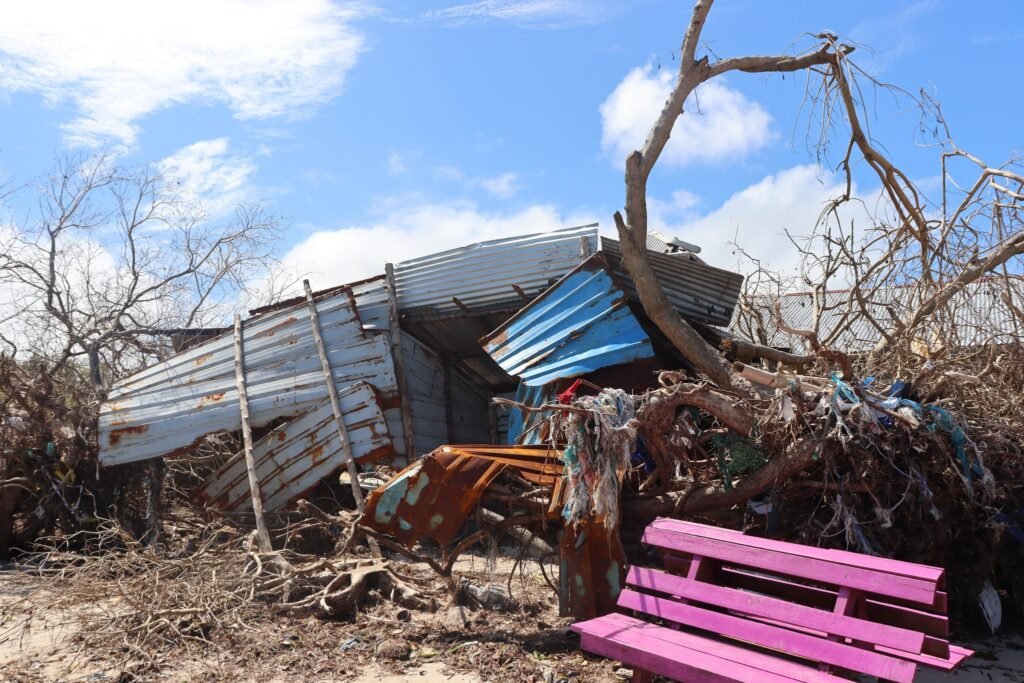
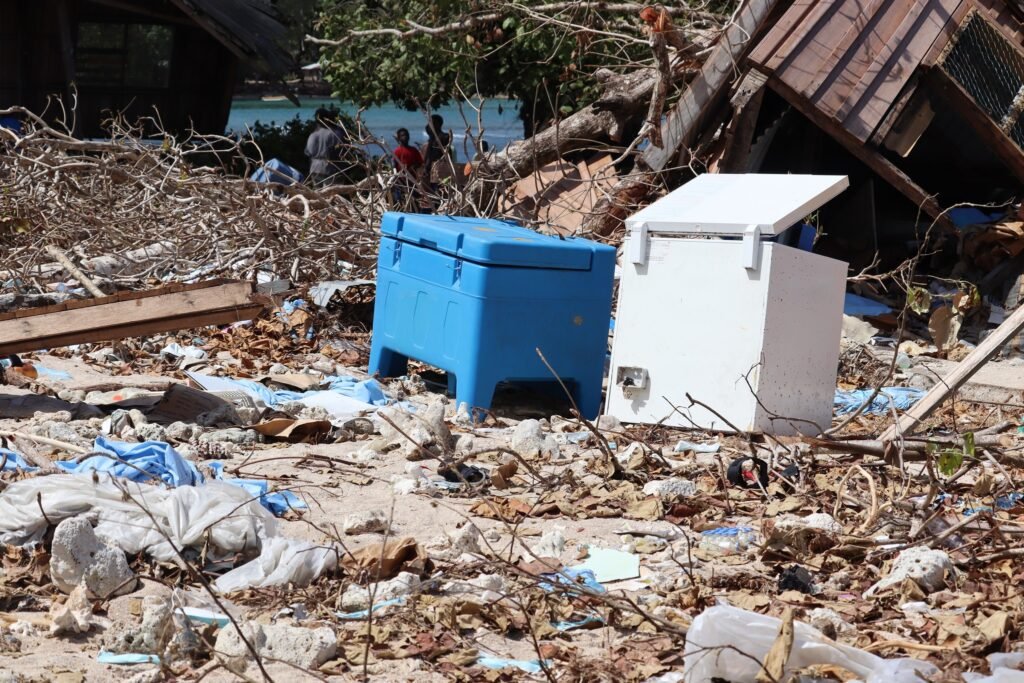
The National Disaster Council (NDC) has warned that an anticipated surge in fuel prices has become a primary threat to Cyclone Maila relief efforts, forcing authorities to secure emergency bulk reserves to ensure aid reaches the hardest-hit coastal communities in Western and Choiseul Provinces.
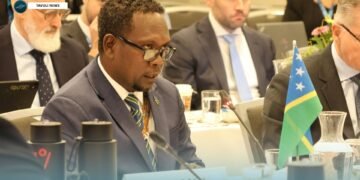
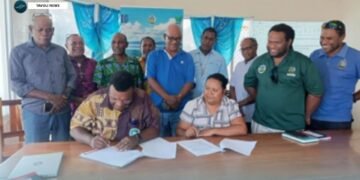
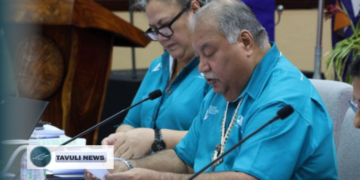
Speaking at a press conference on Friday, NDC Chairman David Hiba confirmed the committee had moved pre-emptively to purchase bulk fuel as a standby. The “preparedness plan” is intended to insulate the recovery mission from market volatility and ensure that immediate relief remains on schedule under the national disaster work plan.
“The fuel price will affect the relief because of the spike,” Hiba stated. “While this is a challenge, the operation is closely monitoring logistics to ensure every dollar is accounted for and that our reserves can sustain this immediate relief phase.”
Currently, provincial operations are being sustained by fuel stocks purchased at last month’s lower rates. However, Hiba warned that this cushion is temporary. “If the supply is finished, the other way around is to put on additional costs to ensure that relief continues,” he said.
The Chairman confirmed that a significant portion of the emergency logistics budget was diverted specifically to procure these reserves. “The logistics money allocated is also part of the fuel reserve that we put into for the logistics support,” he added.
The $10m emergency fund: A provincial breakdown
To counter rising operational costs, the Solomon Islands government has allocated $10,000,000 for the disaster response. In a move toward transparency, the council released a breakdown of how the funds are being distributed across the provinces and logistics sectors:
- Logistics & Fuel Reserves: $3,000,000
- Western Province: $2,500,000
- Choiseul Province: $1,700,000
- Constituencies: $1,200,000
- Isabel Province: $700,000
- Guadalcanal Province: $500,000
- Central Islands Province: $400,000
A lifeline under pressure
The NDC’s strategy is designed to prevent a secondary crisis where the physical destruction of the cyclone is compounded by an economic inability to deliver aid. With Honiara retail prices hitting $13.24 per litre for diesel and $12.45 for petrol, the cost of moving supplies across the archipelago has become a significant fiscal burden.
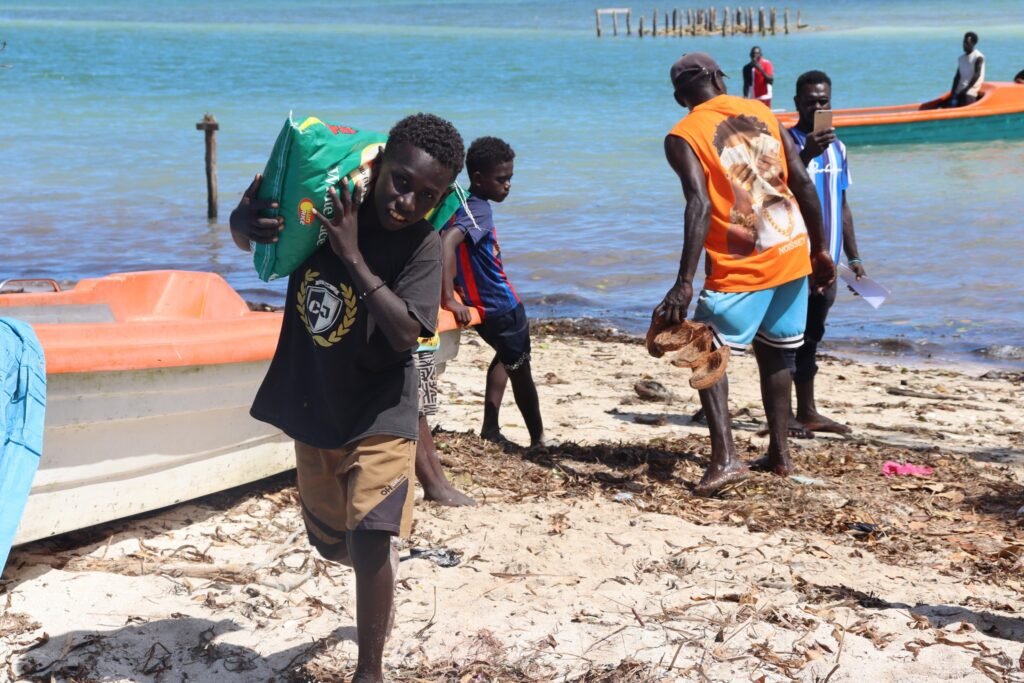
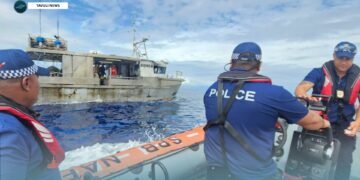
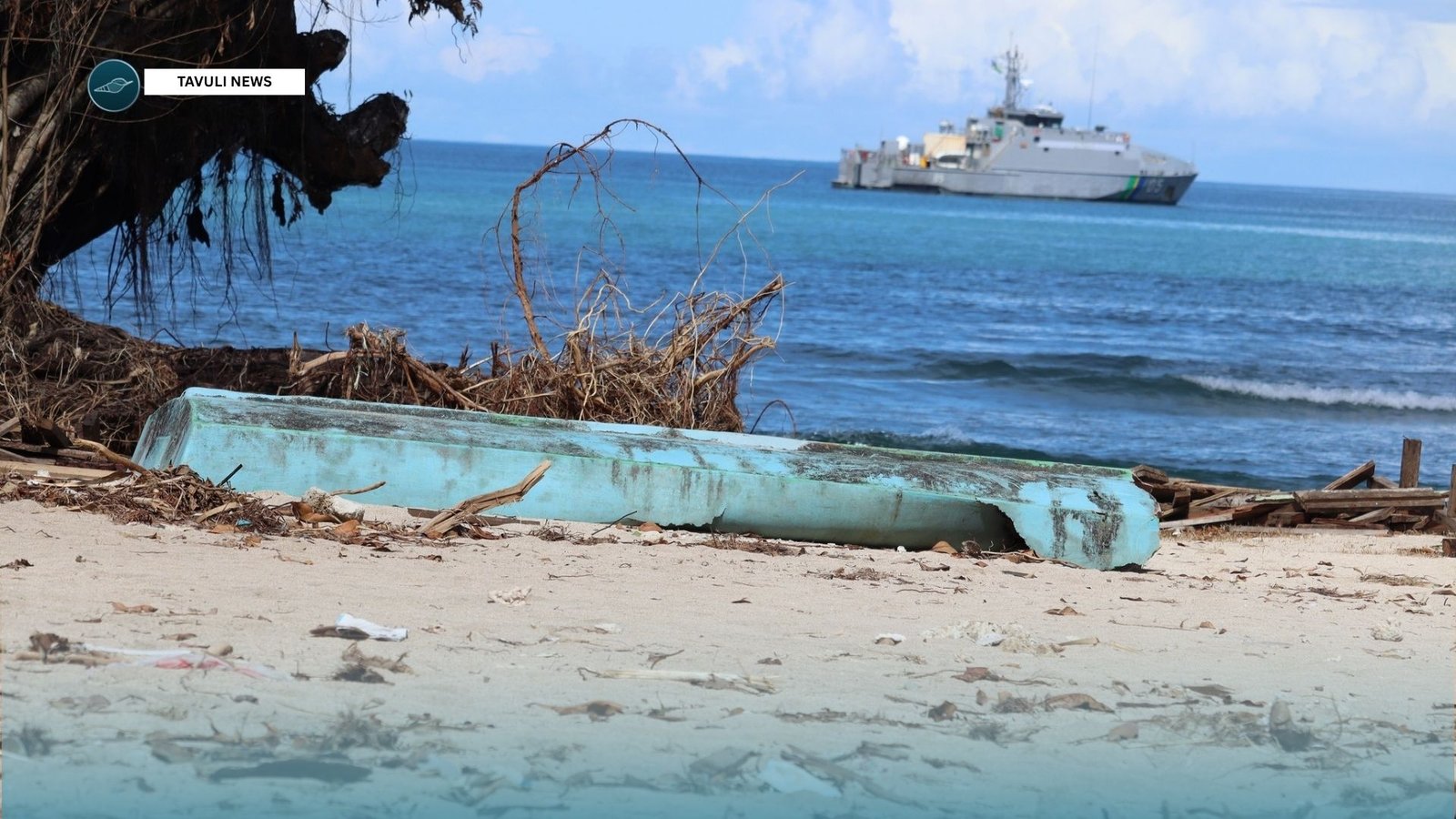
For families in Western and Choiseul, these fuel reserves are a vital lifeline. They ensure that chartered shipping vessels and the government-provided Patrol Boat—now stationed in Western Province, can maintain the continuous movement of supplies between the two provinces.
Jonathan Tafiariki, Director of the National Disaster Management Office, confirmed that the deployment of essential goods is already well underway. “Food supplies have been deployed; non-food items have already been distributed,” he said.
As relief efforts gain momentum, the council extended its gratitude to civil society, NGOs, business houses, and development partners for their support from the outset.
The NDC remains focused on immediate survival aid while preparing for the next phase of the crisis, which will involve formal government assessments to activate a long-term recovery plan.
End//