
























































New EU seafood rules could impact 97% of Pacific Island vessels exporting tuna to Europe.
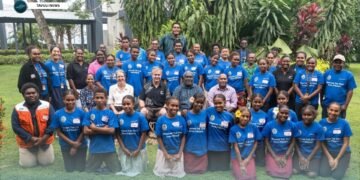
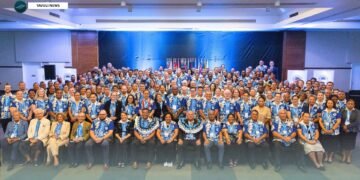
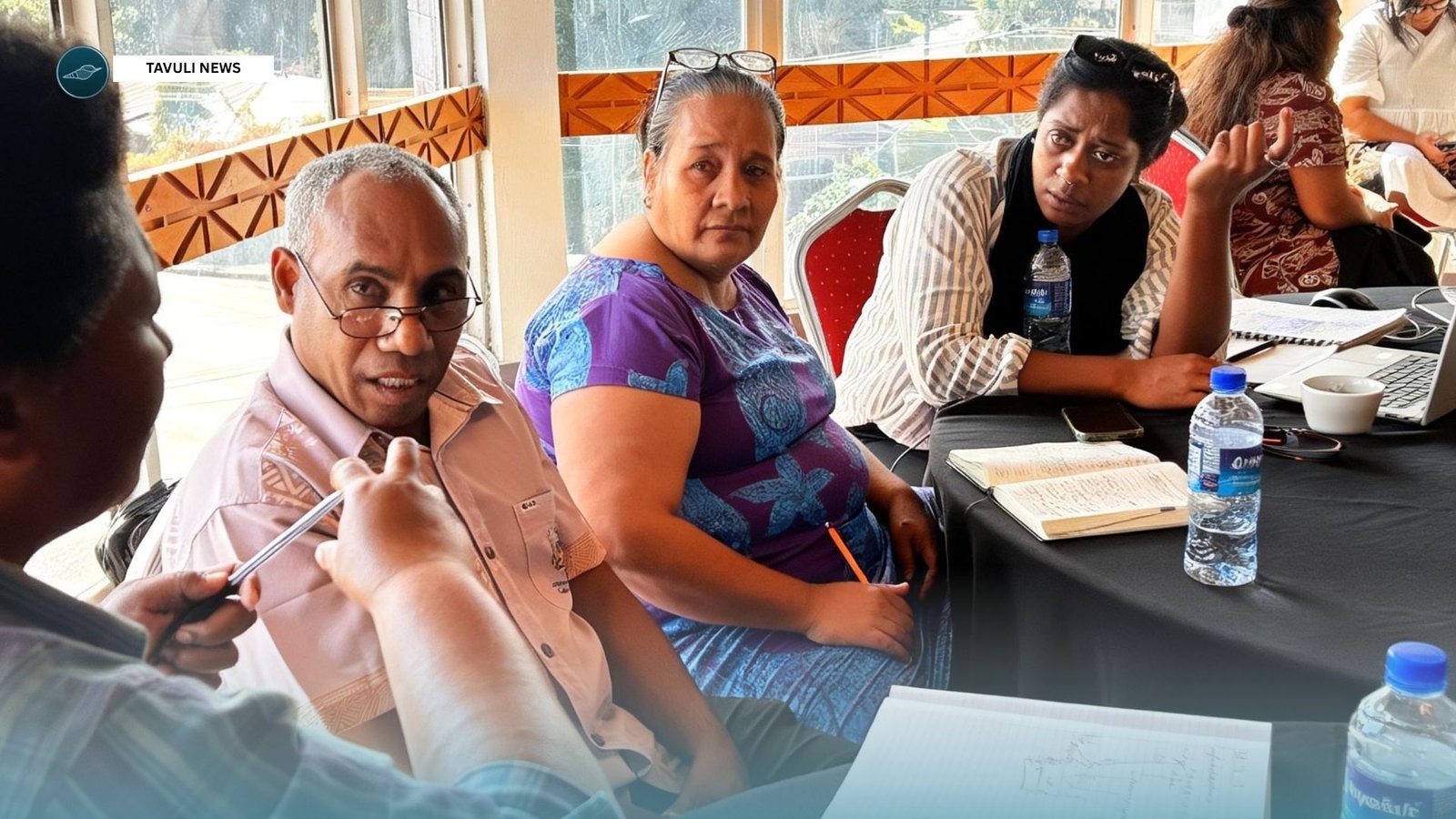
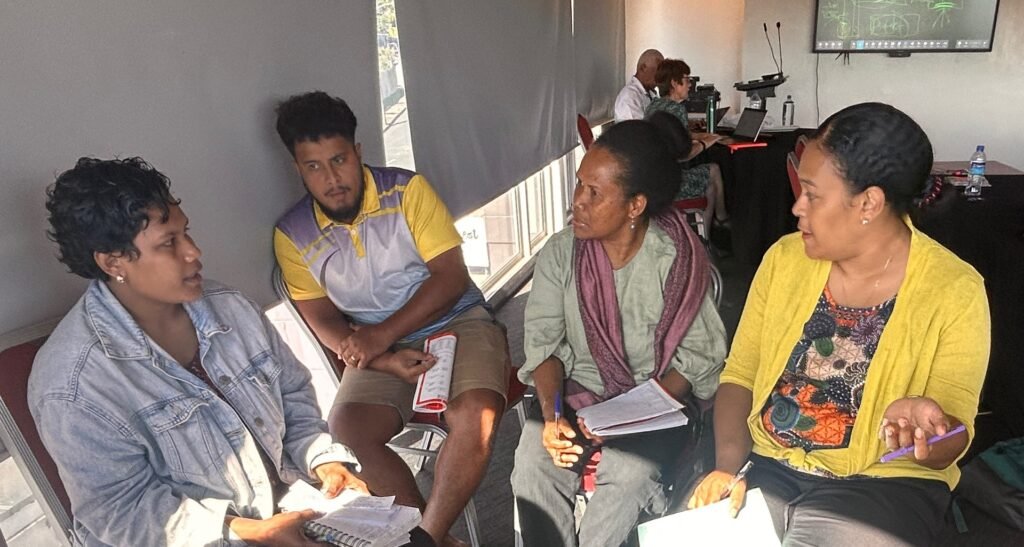
National Competent Authority officials from Fiji, Kiribati, Solomon Islands and Tuvalu met in Suva for a two-week technical training on new European Union (EU) food safety requirements introduced under Delegated Regulation (EU) 2025/1449, which entered into force on 27 January 2026.
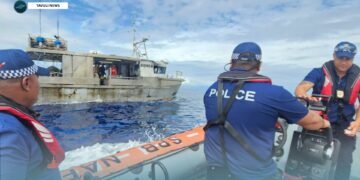
The regulation introduces new technical requirements for freezer vessels and is expected to affect approximately 97 percent of EU-listed Pacific Island-flagged vessels currently authorised to export to the EU.
The training, which ran from 25 May – 4 June was designed to strengthen the capacity of National Competent Authorities – government-designated entities with the legal power to perform specific tasks such as certification, regulation and oversight. The training aimed to support industry compliance and maintain access to the valuable EU seafood market. Organised by the Pacific Islands Forum Fisheries Agency (FFA) through the EU-funded Pacific–European Union Marine Partnership (PEUMP II) – the second phase of a regional programme supporting sustainable ocean governance and fisheries management across the Pacific.
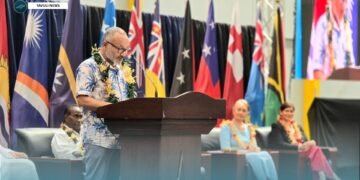
During the opening, the representative from the European Union Delegation to the Pacific thanked FFA for convening the training and supporting national authorities in developing important food safety competencies.
The regulation was introduced after EU auditors found freezer vessels across the global supply chain failing to reach the required -18°C in brine. In some cases, cannery-grade tuna frozen at higher temperatures had been marketed for direct human consumption, raising food safety concerns.
“When tuna is not frozen correctly, bacteria produce histamine in the fish flesh, a toxin that cannot be removed by cooking or further processing and that causes scombroid poisoning, with symptoms ranging from rashes and nausea to severe allergic reaction,” FFA Market Access Specialist, Ratu Jope Tamani said. The EU’s Rapid Alert System for Food and Feed recorded a rising number of such cases, resulting in the regulation.

Under 2025/1449, tuna is now split into two market categories. Fish frozen at temperatures above -18°C, including tuna frozen to around -9°C, may only be supplied to canneries. Fish intended for direct human consumption such as sashimi, fresh tuna steaks and premium market products must reach minus -18°C or colder. Brine freezer vessels must install real-time electronic temperature monitoring and submit validated freezing capacity plans before they can be listed on the EU’s approved register.
Ratu Jope said the training was a direct response to what the regulation demands.
“The compliance responsibility sits with the National Competent Authority of our Pacific Island nations. Our job is to make sure they have the technical knowledge to carry it out. That is what protects our countries’ place in the EU market and the revenue that comes with it,” Ratu Jope said.
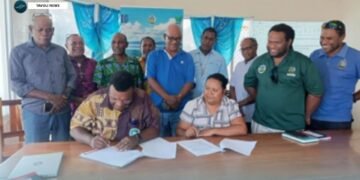
Ms Taina Rauvala, Head of Fiji’s Food Safety Unit and National Competent Authority said compliance would not be straightforward for all operators.
“There is some pushback expected from those using brine freezing. Getting the NCA and industry on the same page is our immediate challenge.”
Fiji’s tuna enters the EU duty-free under Fiji’s Interim Economic Partnership Agreement with the EU.
“Europe has the strictest food safety rules in the world. If Fiji loses the EU’s trust, that trade deal disappears and the damage would hurt workers, families and businesses right across the country,” Ms Rauvala says. “Getting into the EU market can be straightforward. Staying in is the hard part. It takes commitment from the government, the NCA and industry consistently, not just at audit time.”
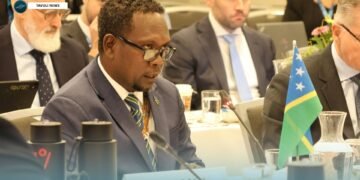
Solomon Islands National Chief Health Inspector Patricia Soqoilo said technical knowledge was her department’s most pressing need.
“It is not enough to know what the law says. Our officers need to understand how freezing works on a vessel, the engineering, the Hazard Analysis and Critical Control Points (HACCP) controls, the critical control points. You need the right people, with the right knowledge, properly resourced. All three matter.”
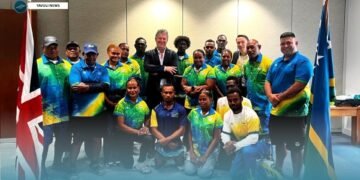
Kiribati already has automatic temperature recording devices, qualified engineering personnel and traceability systems in place.
“Regional support like this has significantly impacted our level of skills and competencies,” said Ms Tereere Tioti, Director of the Competent Authority of the Ministry of Fisheries and Ocean Resources. “It strengthens our ability to conduct official controls, respond to emerging regulatory changes and safeguard Kiribati’s reputation in global markets.”
For Tuvalu, a nation that earns from its ocean primarily through fishing licence fees, EU market access represents a meaningful step towards direct export revenue.
“Compliance is non-negotiable,” said National Competent Authority Technical Officer Mr Alipate Momoka. “We are not asking for easier rules. We are asking for the knowledge and support to meet the rules that exist.”
The training programme, delivered by Ratu Jope and consultant Cushla Hogarth, covered vessel engineering, refrigeration systems, time and temperature controls, Hazard Analysis and Critical Control Points (HACCP) principles and EU audit requirements.
FFA has conducted similar training in the Republic of the Marshall Islands and the Federated States of Micronesia, with Papua New Guinea to follow.
About PEUMP Phase II Programme
The second phase of the Pacific-European Union Marine Partnership (PEUMP) programme continues to support sustainable oceanic and coastal fisheries management and the development of a healthy and thriving blue economy for improved social, environmental and economic benefits for all Pacific people and their future generations. Through stronger climate-resilient and inclusive ocean governance and fisheries management, PEUMP fosters community-driven, people-centred and integrated ecosystems approaches to enhance the sustainable use of marine resources and ecosystems services at regional, national and community scales.
PEUMP II is financed by the European Union ensuring continuity of phase 1 achievements while responding to the region’s renewed priorities and needs. Phase 2 began in January 2026 with a five-year implementation timeline benefiting 15 countries: Cook Islands, Federated States of Micronesia, Fiji, Kiribati, Nauru, Niue, Palau, Papua New Guinea, Republic of the Marshall Islands, Samoa, Solomon Islands, Timor-Leste, Tonga, Tuvalu and Vanuatu.
Source: FFA on behalf of the PEUMP II programme, Press Release