









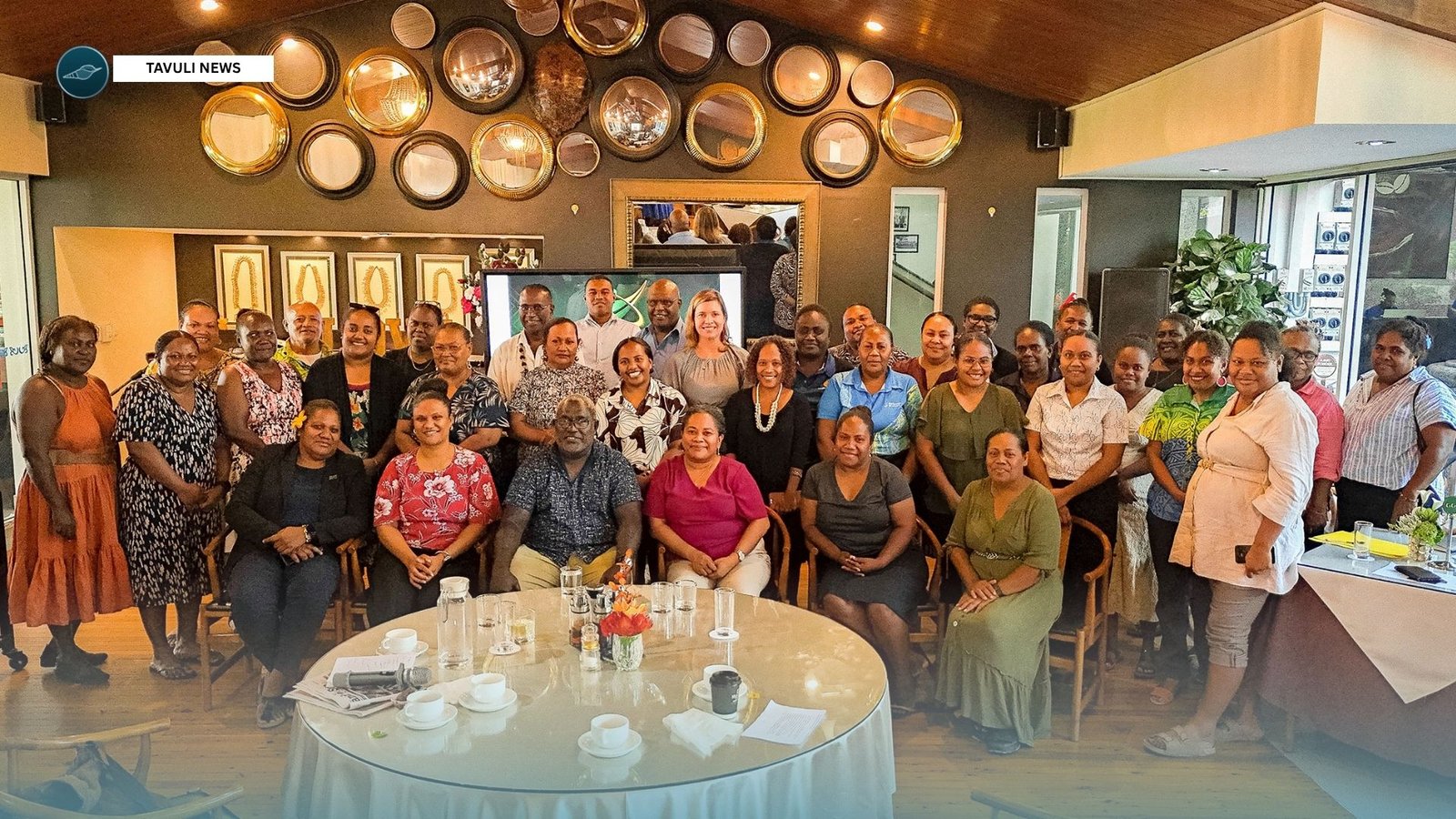
WELSI hosts leadership forum to strengthen women’s pathways into senior executive and decision-making roles in Solomon Islands.



Sunday 12 July, Honiara – The Women in Executive Leadership Solomon Islands (WELSI) remains committed to increase dialogue on challenges affecting women’s progression into senior executive roles.
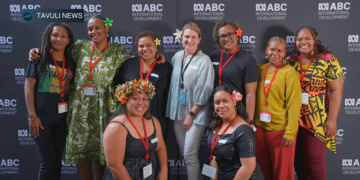
As part of these efforts, WELSI successfully hosted a Women Connect Breakfast and Panel Discussion Networking Event at the Heritage Park Hotel in Honiara on Thursday 9 July 2026.
The event brought together women leaders, key stakeholders, and partners to discuss critical issues, share experiences, and identify practical pathways for increasing women’s representation in senior executive and higher decision-making roles in Solomon Islands.
It also featured a panel discussion moderated by representatives from government, private sector, development partners, and educational institutions.
Discussions focused on the progress and gaps in women’s representation in executive leadership, barriers to advancement into higher decision-making roles, leadership development and executive capacity building, mentorship, sponsorship, and institutional support and opportunities for strengthening women’s pathways into senior leadership.
WELSI President, Ms. Pamela Naesol Alamu highlighted those discussions provided a greater understanding of opportunities and strategies to support women’s advancement into higher decision-making positions.
“It created stronger partnerships and collaboration among stakeholders and renewed engagement and strengthened networks among WELSI members and women leaders across sectors,” she said.
Permanent Secretary of the Ministry of Women, Youth, Children and Family Affairs (MWYCFA), Mr Aaron Pitaqae, who was the keynote speaker at the event, said promoting women into higher decision-making roles is not just a matter of fairness but a strategic necessity.
“While challenges remain, the opportunities for enriched leadership and societal progress are immense. By addressing structural barriers, challenging biases, and fostering supportive environments, we can unlock the full potential of women leaders and drive meaningful change across all sectors. As members of our society, women deserve respect and recognition,” Mr. Pitaqae said.
“This however is not just about recognising women because they are part of us; it is about making meaningful change because it will benefit everyone. Government and organisations must now accept that women participation can have positive impact,” he added.
Barriers for women’s participation and engagement in leadership roles include; strong patriarchal norms and traditional gender roles, where leadership is a role for men; limited access to networks and mentoring that facilitate upward mobility; gender bias in recruitment and promotion processes and balancing leadership responsibilities with heavy family and community obligations.
However, there have been notable positive shifts where national policies and programs aimed at supporting women to progress into leadership roles.
PPESS RELEASE