















Opposition proposes a sustainable affordable education model focused on targeted support and quality learning
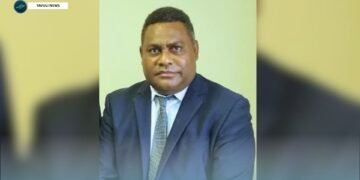
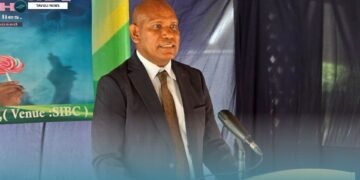
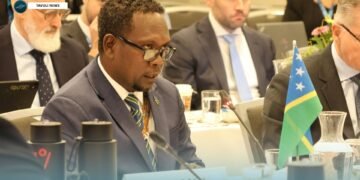
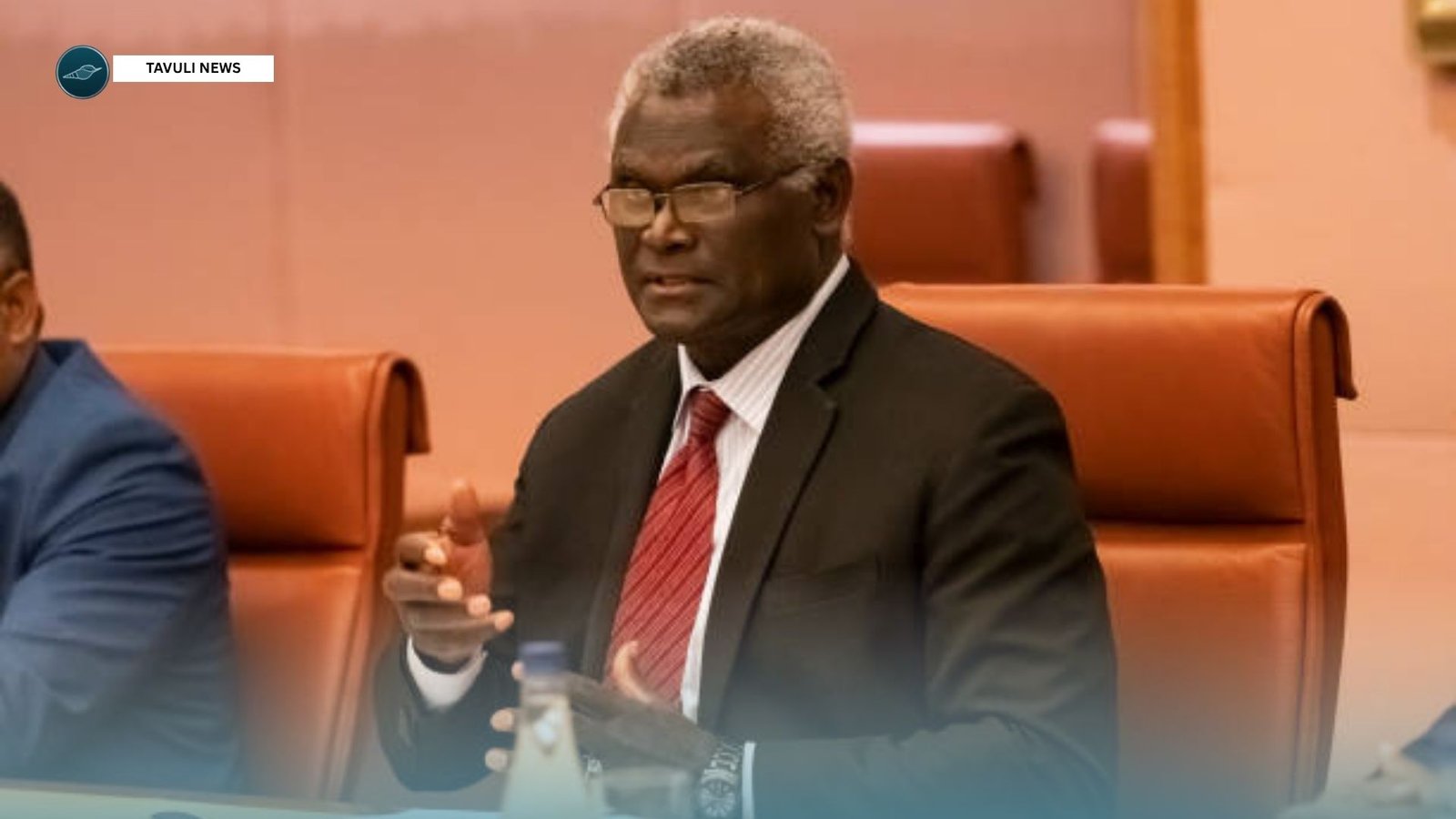
HONIARA, SOLOMON ISLANDS – Leader of the Official Opposition, Hon. Manasseh Sogavare, has outlined a practical and achievable alternative approach to education reform, saying Solomon Islands needs a targeted and fiscally responsible model of affordable education rather than a broad and undefined promise that may prove difficult to sustain.
Hon. Sogavare said the Opposition supports accessible education for all children, but believes the right approach is to start with clearly defined priorities, strengthen the existing legal framework, and expand assistance in a way that protects quality and national finances.
“We support affordable education, but it must be done honestly, carefully and sustainably,” Hon. Sogavare said.
“The country needs a model that is properly defined, properly phased and properly funded, not a blanket promise that raises expectations without resolving the real challenges in the system.”
He said a more realistic starting point would be stronger fee relief for students in government-funded and provincial schools, especially at the basic education and junior secondary levels, while preserving clarity about which costs are covered by government and which remain the responsibility of families.
Hon. Sogavare said there must be a clear distinction between tuition support and other costs such as boarding, food, transport, uniforms, excursions and extra-curricular activities.
“If government wants to provide greater support for parents, it should say clearly whether it is paying for tuition only or taking responsibility for a much broader range of costs,” he said.
“Those are very different policy choices with very different financial consequences.”
He also called for stronger enforcement of the Education Act 2023 and Education Regulations 2024, which already cap school fees, prohibit additional levies for enrolment and assessment, and require hardship arrangements for families who are genuinely struggling.
Hon. Sogavare said the Government should expand targeted fee waivers, instalment arrangements and hardship support for vulnerable households and remote communities, while at the same time directing more resources toward classrooms, teacher housing, school infrastructure, grants and learning materials.
“The first priority should be to make the current system work better for the families who need help most,” he said.
“That means targeted support for vulnerable students, stronger enforcement of the existing law, and greater investment in the quality and readiness of the education system.”
He said a phased and targeted model would allow the country to improve affordability without undermining school operations, crowding out other sectors, or creating a large recurring obligation that may be hard to sustain over time.
Hon. Sogavare also stressed that education reform must preserve the partnership between government, churches, communities and parents, rather than replacing it with an unrealistic expectation that the state alone can carry every cost immediately.
“Education has always been a shared national responsibility,” he said.
“Government has a major role to play, but families, communities and providers also remain important partners in building a strong and durable education system.”
The Parliamentary Opposition Group said it remains committed to a reform agenda that improves access, protects quality, and focuses public spending where it will deliver the greatest long-term benefit to Solomon Islands children.
“We all want our children to learn, to grow and to succeed,” Hon. Sogavare concluded.
“But the best way forward is not through vague promises. It is through a practical Solomon Islands model of affordable education that is targeted, transparent, quality-conscious and sustainable.”
PRESS RELEASE