





























Solomon Islands officials complete China rural development training, gaining insights for agriculture and community growth
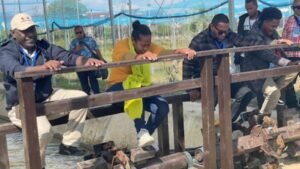
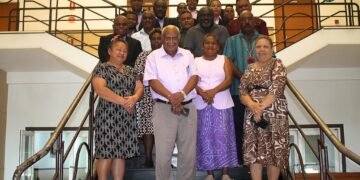
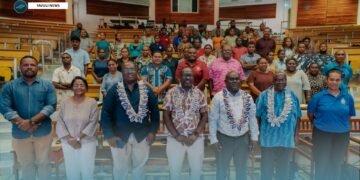
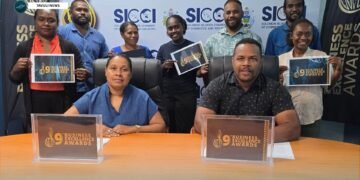
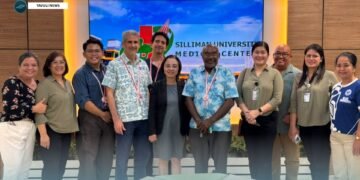
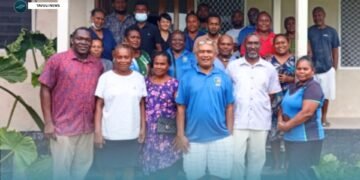
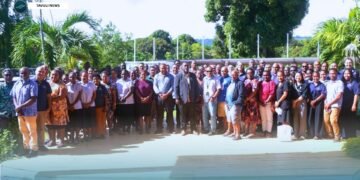
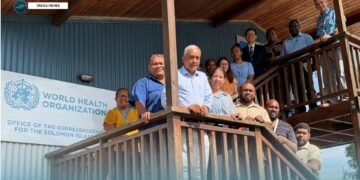
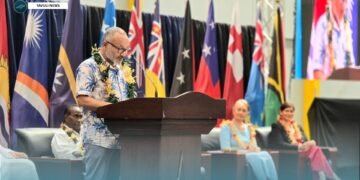
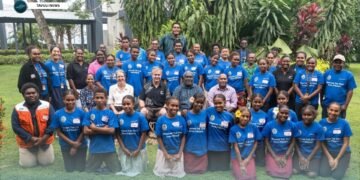
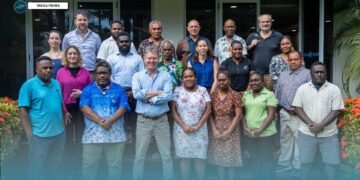
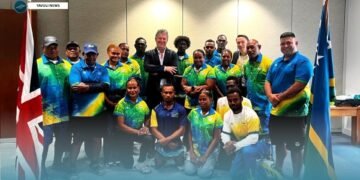
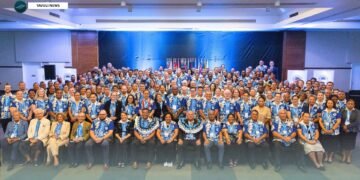
Officials from the Ministry of Agriculture and Livestock (MAL), together with representatives from the Ministry of Rural Development, the Ministry of Traditional Governance, Peace & Ecclesiastical Affairs, the Ministry of Provincial Government and Institutional Strengthening, the Commodities Export Marketing Authority, Kokonut Pacific Solomon Islands, key stakeholders, and youth participants, successfully completed the Seminar on Rural Development Training held from 8 to 30 October 2025 in Beijing, China. The programme was delivered under China’s ongoing support for South–South Cooperation and its commitment to knowledge sharing with developing nations.
The aim of the seminar was to provide participants with an in-depth understanding of China’s approaches to rural development, poverty alleviation, agricultural modernization, rural governance, climate-smart agriculture, and value-chain development. China’s experience is widely regarded as one of the most significant examples of rural transformation globally, making this training an important opportunity for capacity development within Solomon Islands government ministries, including MAL and the Ministry of Rural Development (MRD).
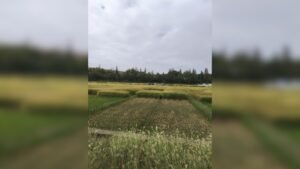
Throughout the programme, participants were introduced to a range of policies, technologies, and practical models that form the foundation of China’s rural revitalization framework. Field visits in Jiangsu and Anhui provinces offered firsthand insights into community-driven governance structures, targeted poverty strategies, digital agriculture systems, modern mechanization, cooperative models, e-commerce logistics, and small- to medium-scale agro-processing industries.
Key Learning Areas
- Rural Governance & Policy: Coordination between national and provincial governments; data-driven targeting for poverty alleviation; community participation in planning.
- Agricultural Modernization: Use of mechanization, improved seed varieties, integrated value chains, and climate-resilient production practices.
- Climate-Smart Agriculture: Precision irrigation, soil conservation, resource-efficient technologies, and resilient crop varieties.
- Digital Agriculture & E-Commerce: Digital platforms connecting farmers to consumers; smart logistics; cold-chain systems; digital literacy initiatives.
- Agro-processing & Value Addition: Small-scale processing zones that support market access and increase farmer income.
- Biosecurity: Strong quarantine systems, diagnostic laboratories, and pest surveillance networks.
- Rural Revitalization: Infrastructure investment, village-based industries, and community enterprises that support rural livelihoods.
The seminar provided valuable insights that can support the Solomon Islands in strengthening its agricultural sector and advancing rural development priorities. While China’s scale of development is significantly larger, many of the underlying principles—such as community participation, integrated planning, climate resilience, agro-processing, digital access, and biosecurity—are relevant and adaptable to the Solomon Islands context.
For MAL, these lessons can contribute to improving extension services, enhancing food security, strengthening value chains for products such as coconut, cocoa, honey, and root crops, and supporting the development of climate-smart agriculture pilot sites across the provinces. The training also underscored the need for stronger collaboration between MAL and MRD to ensure coordinated rural development planning, project implementation, and monitoring.
Participants noted that several domestic constraints require attention, including limited budget resources, inter-island logistics costs, customary land challenges, climate vulnerability, digital limitations, and the need for improved rural infrastructure and data systems. The insights gained from China can help inform practical, locally relevant solutions within these constraints.
MAL acknowledges the Government of China for hosting the seminar and for its continued partnership in supporting rural transformation in the Solomon Islands. The Ministry looks forward to further collaboration with local stakeholders and development partners to ensure that lessons from the training are translated into tangible development outcomes for rural communities.
SOURCE : Ministry of Agriculture & Livestock