










SIART ensures ABPOs implement ECOP to reduce environmental and social risks in Solomon Islands agriculture projects.
The Solomon Islands Agriculture and Rural Transformation (SIART) Project is ensuring that farmers from Agribusiness Producer Organizations (ABPOs) implement an Environmental Code of Practice (ECOP), a requirement for World Bank-funded agriculture projects.
These ABPOs in Guadalcanal, Malaita, and Makira-Ulawa Province have grant agreements with SIART. The SIART Project is implemented by the Ministry of Agriculture and Livestock (MAL) and supported by the World Bank.
The ECOP serves as a practical, step-by-step guide to ensure smallholder farming and infrastructure activities minimize environmental and social risks. It covers key agricultural practices and responsibilities.
SIART’s Environmental Safeguards Officer, Mr Steve Sae, highlighted that the ECOP is a standardized set of environmental and social mitigation measures applied to manage minor, localized, or routine impacts during the planning, design, and construction of small-scale infrastructure projects.
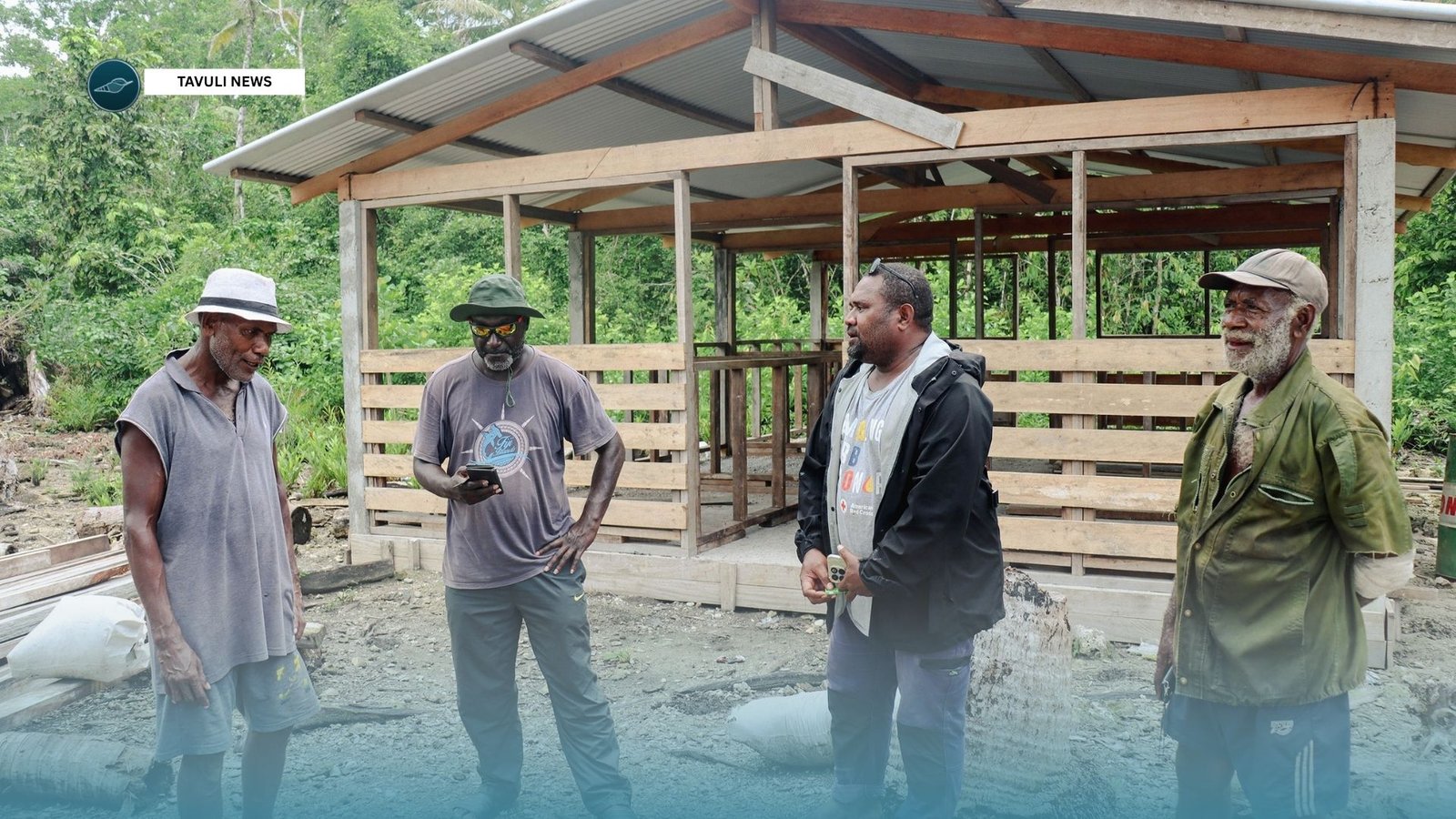
Mr Sae, in May 2026, led a team from SIART to conduct environmental and social monitoring at ABPOs in Malaita Province, particularly for those involved in piggery farming.
SIART currently has 16 ABPOs in Malaita Province involved in piggery farming, representing a $6.99 million investment.
“Before these projects were up and running, we conducted initial environmental screening where we identified environmental and social impacts and risks and developed the ECOP,” Mr Sae explained.
“Now that we are at the implementation stage, we are going around to all our projects to monitor the implementation of the ECOP.
“Inside the ECOP we have the mitigation measures our ABPOs have to implement so that they can mitigate the risks and impacts identified in the initial stage,” he added.
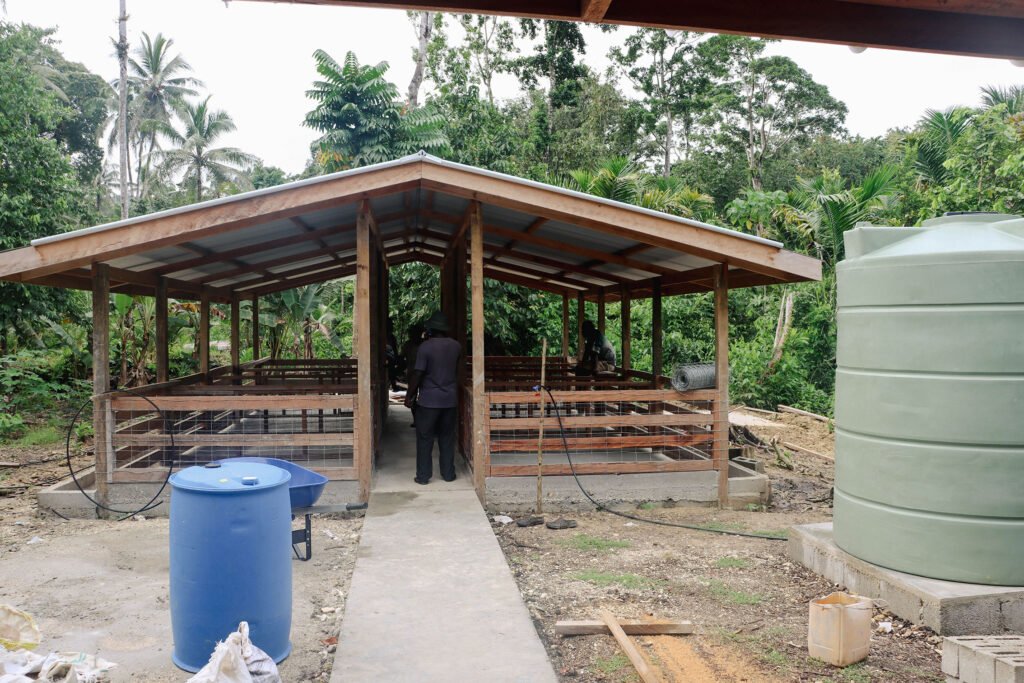
A good example of a mitigation measure included in the ECOP for piggery breeding shelters is the installation of drainage systems designed to trap wastewater and direct it into a septic tank.
“If we do not put in place this mitigation measure, all this wastewater will end up in the environment and cause public health issues and diseases in surrounding communities.
“So, it is important to ensure that the ECOP is implemented by our ABPOs,” Mr Sae said.
“This is done in all project provinces in Makira/Ulawa, Guadalcanal, and Malaita for our ABPOs in piggery as well as cocoa and coconut.
“The important thing is that we want to see farmers implement this ECOP so that we have proper construction and operation of the facilities,” he added.
The SIART Project also supports the implementation of the ECOP through environmental screening, training conducted by ABPO Community Resource Persons (CRPs) and Extension Officers, and ongoing monitoring by project staff during routine site visits to ensure farmers and contractors are following the prescribed environmental guidelines.
The SIART Project’s objective is to increase agricultural production and improve market access in selected value chains in Guadalcanal, Malaita, and Makira/Ulawa. Additionally, the project ensures a prompt and effective response in the event of an eligible crisis or emergency.
Source: SIART Press Release