








Solomon Islands strengthens mining transparency through EITI reforms to curb corruption and protect public revenues
Honiara, Solomon Islands, 30 June 2026 – As Solomon Islands prepares for increased mining activity and works towards rejoining the Extractive Industries Transparency Initiative (EITI), government institutions have reaffirmed their commitment to strengthening transparency, accountability and inter-agency cooperation to protect the country’s natural resources from corruption, illicit financial flows and revenue leakages.
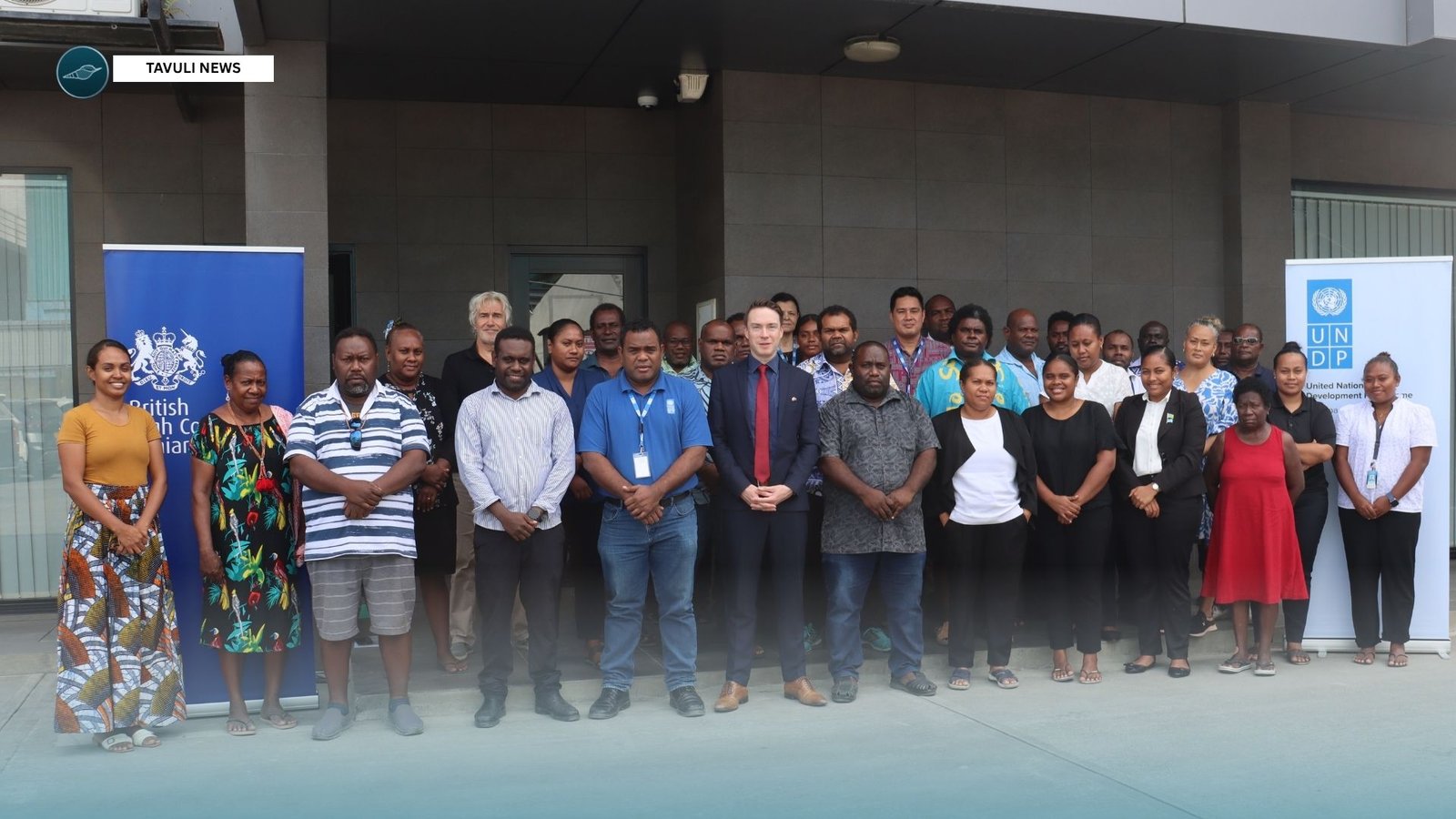
More than 30 representatives from key government ministries, oversight bodies, law enforcement agencies, financial intelligence institutions, accountability organizations, CSOs and mining companies gathered in Honiara for a national workshop on “Building a Coordinated National Response to Corruption, Illicit Financial Flows and Revenue Leakage in the Mining Sector in Solomon Islands.”
Organized by the United Nations Development Programme (UNDP) in partnership with the Solomon Islands EITI National Secretariat, the workshop comes under the project Support to the Government of the Solomon Islands to Implement the Extractive Industries Transparency Initiative (EITI), funded by the Government of the United Kingdom.
Participants examined corruption and governance risks, illicit financial flows and revenue leakages, while identifying practical ways to strengthen institutional cooperation, information sharing and coordinated responses among agencies responsible for regulation, revenue administration, financial intelligence, investigations and prosecution.
Opening the workshop on behalf of the Government of Solomon Islands, the Acting Permanent Secretary of the Ministry of Finance and Treasury, Coswal Nelson, emphasized that protecting public revenues generated from natural resources is fundamental to the country’s development ambitions.
“The extractive industries sector has the potential to make an important contribution to our economy. If managed responsibly, it can generate revenue, create opportunities and support our broader national development priorities. But when governance arrangements are weak, opportunities for corruption, illicit financial flows and revenue leakage emerge, reducing the benefits that should reach our people”
He stressed that no single institution can effectively address these risks on its own.
“Each institution represented here holds an important part of the picture. Stronger coordination allows us to identify risks earlier, share information more effectively and respond more quickly. Coordination is not optional – it is essential if we are to safeguard public revenues and strengthen confidence in our institutions.”
Representing the Government of the United Kingdom, the Deputy British High Commissioner, Cameron Millar, reaffirmed the UK’s commitment to supporting transparent and accountable management of natural resources through its partnership with Solomon Islands and UNDP.
“Natural resources offer tremendous opportunities for economic development, but international experience demonstrates that without strong governance systems they can also become vulnerable to corruption, opaque ownership structures and significant revenue losses. Strengthening transparency, accountability and institutional cooperation help ensure that resource wealth benefits all citizens.”
He emphasised the sustainable reforms must be nationally led.
“The strongest reforms are those designed and led by national institutions. Our role is to support Solomon Islands in building stronger systems that protect public resources, strengthen public trust and contribute to inclusive and sustainable development.”
Speaking on behalf of UNDP, Programme Specialist for Inclusive Governance and Economic Growth, Solomon Kalu, highlighted that strengthening integrity in the extractive sector is about more than preventing corruption – it is about ensuring that natural resource wealth contributes to the country’s long-term development.
“The extractive sector is expected to become increasingly important to the future of Solomon Islands. If governed well, it can create jobs, generate revenues and improve the lives of people across the country. But achieving these outcomes requires institutions that work together effectively to prevent corruption, detect illicit financial flows and protect public revenues.”
He stressed that UNDP’s role is to support nationally owned solutions that strengthen governance systems and institutional collaboration.
“Today’s workshop is not simply about understanding risks. It is about building stronger partnerships among institutions, improving information sharing and identifying practical actions that will strengthen transparency and accountability across the mining sector. Strong governance is built not only through sound laws and policies but also through effective cooperation between institutions.”
The workshop forms part of UNDP’s broader support Solomon Islands re-engagement with EITI, helping strengthen transparency, accountability and good governance across the extractive industries through technical assistance, institutional capacity development, policy support and multi-stakeholder engagement.
By strengthening governance arrangements across the mining sector, Solomon Islands is laying the foundations for responsible natural resource management, increased public confidence and ensuring that the country’s mineral wealth delivers lasting benefits for present and future generations.
PRESS RELEASE