
















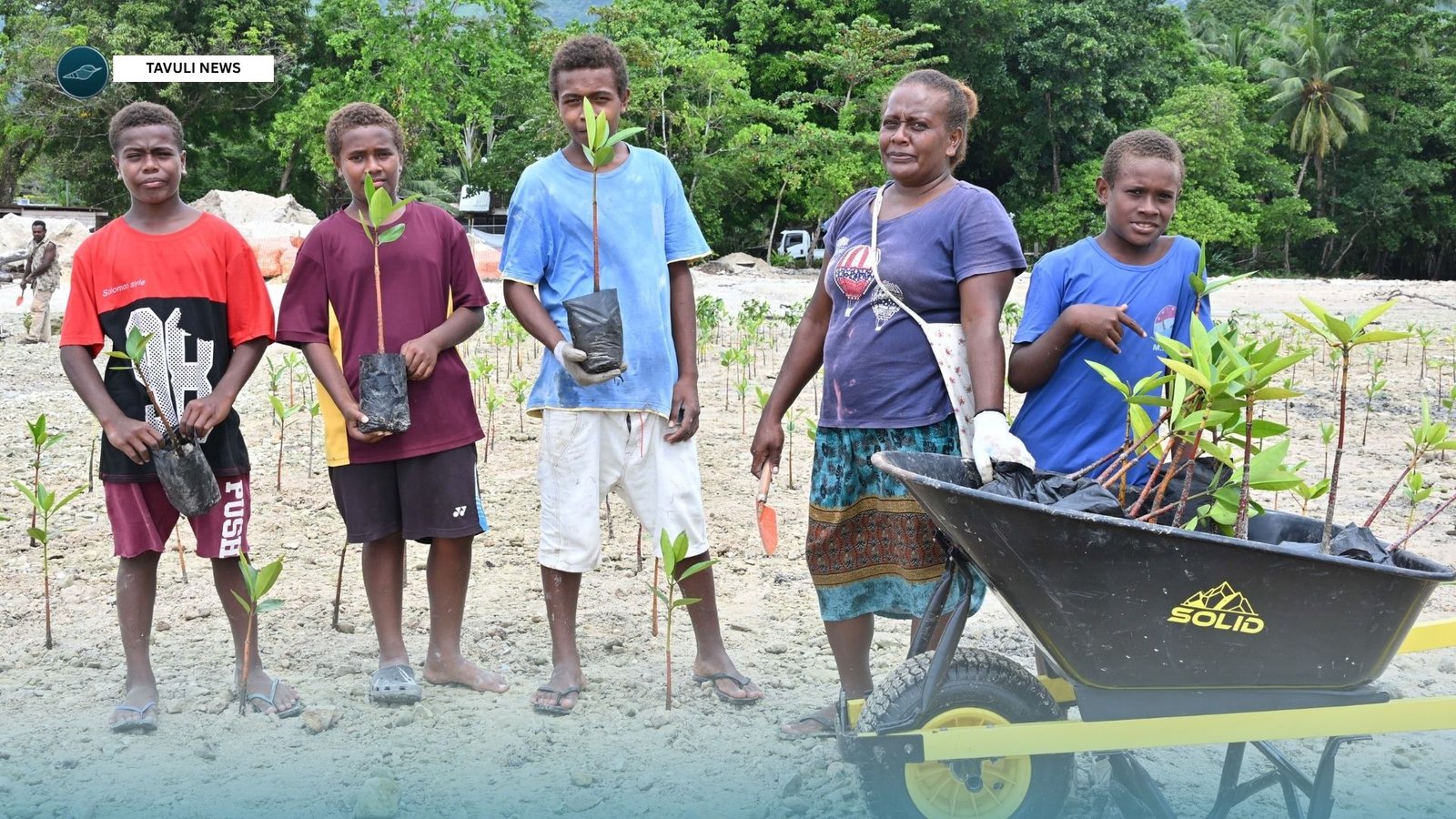
North Malaita plants 2,000 mangroves to protect Malu’u Market with Australia-backed coastal restoration efforts
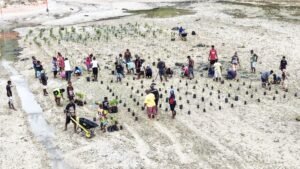
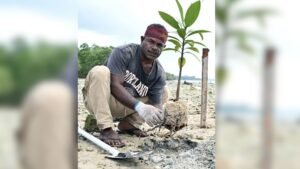
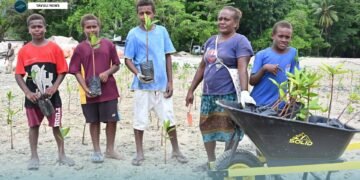
Communities in North Malaita are planting more than 2,000 mangrove seedlings to protect the coastline around the new Malu’u Market, combining nature-based solutions with major infrastructure investment.
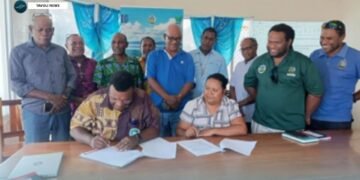
The initiative is led by the North Shore Mangroves Committee, which is coordinating the transplanting of seedlings to coastal rehabilitation sites around the market.
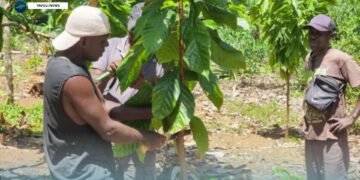
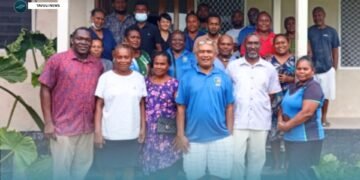
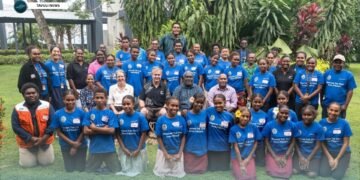
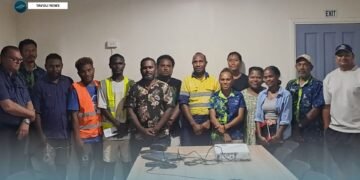
Local conservation specialists Fera Au Conservation Association are training communities in Kwene, Darowaraua and Duruabu to establish mangrove and coastal tree nurseries, transplant seedlings, and build skills in coastal rehabilitation and management.
Australia is supporting this nature-based initiative to restore and protect the coastline around the SBD15 million market, increasing the project’s resilience to climate change.
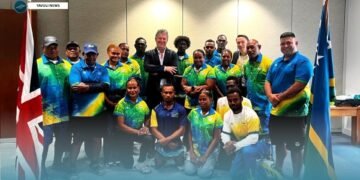
Australian High Commissioner Jeff Roach said Australia is proud to support practical, locally led solutions that enhance the resilience of its investments in Solomon Islands.
“Together with the seawall being constructed in front of the market, this nature-based initiative demonstrates how local knowledge and leadership can help protect both the environment and the infrastructure we are building together,” High Commissioner Roach said.
Mangroves play a critical role in reducing the impacts of rising sea levels and coastal erosion. Globally, recent research shows mangrove coverage has shifted from net loss to net gain since 2010—driven by stronger protection, conservation efforts and natural regeneration. The Malu’u initiative reflects this momentum at the local level, combining community-led action with targeted investment to restore coastal protection.
Once established, the mangroves will work alongside the seawall to reduce erosion, absorb wave energy and improve water quality and marine habitats.
The Chairman of the North Shore Mangroves Committee, Mr Cameron Inomae, said the project is delivering valuable skills and opportunities for local communities.
“The training provided through this project has given us the confidence and knowledge to establish nurseries and carry out mangrove restoration in our own communities,” Mr Inomae said.
He said the initiative has created short-term employment opportunities, including for women, and increased the Committee’s visibility at national, regional and international levels.
“This project has opened many doors for our community and created opportunities to connect with organisations that share our commitment to protecting the environment,” he said.
Mr Inomae also noted that environmental changes along the Malu’u coastline are becoming more visible, including increased erosion and mangrove loss.
“Mangroves are a natural barrier protecting our shoreline. They also provide important habitat for marine life,” he said.
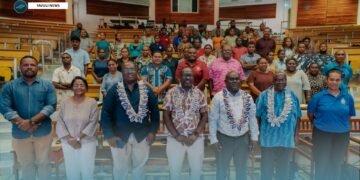
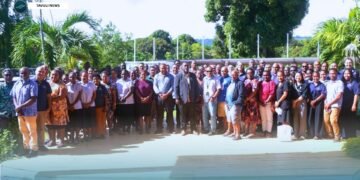
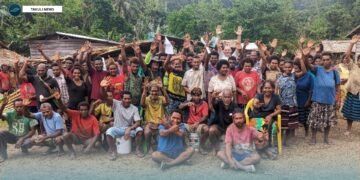
More than 60 community members participated in the one-day planting activity, demonstrating strong local ownership.
Mr Inomae said the Committee is aiming to continue planting over the next decade, with plans to expand into conservation, education and research.
“We hope to establish an educational hub for communities, students and researchers to learn about mangrove conservation,” he said.
Malu’u Market is one of six provincial markets supported by Australia, designed to boost economic activity in rural areas while creating local jobs and building skills.
The new, 100 per cent locally built market will accommodate up to 140 vendors and includes a 43,000‑litre water tank, solar lighting, and improved waste management and sanitation facilities for men, women and people with disabilities—providing a significant economic boost for North Malaita.
SOURCE:// Australian High Commission Solomon Islands Press Release