

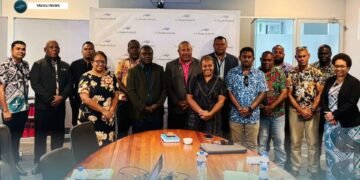



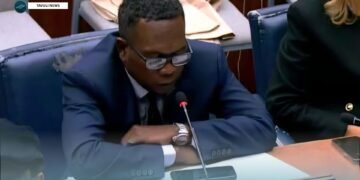
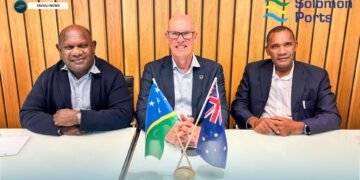
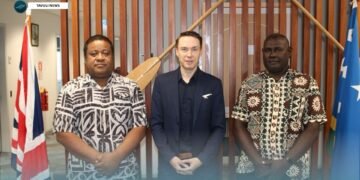















































As June draws to a close, the political honeymoon is officially over for the newly formed GREAT Coalition (Government for Reform, Empowerment, Accountability and Transparency).
Taking office in mid-May under Prime Minister Matthew Wale, the new administration inherited an economy facing competing realities. While the Government has pledged fiscal discipline and reform, it also assumed responsibility for managing a substantial pipeline of donor-funded infrastructure investments alongside mounting fiscal pressures that continue to affect households and businesses.
The latest Monthly Economic Bulletin from the Central Bank of Solomon Islands provides a snapshot of the economic landscape confronting the new Cabinet when it assumed office. Among its most significant findings, the Government’s total debt stock increased by six per cent in May, reaching SBD4.548 billion.
Importantly, this debt was not accumulated by the current administration. According to the Central Bank, the increase primarily reflects additional loan disbursements from the World Bank together with a new infrastructure loan from the OPEC Fund for International Development. These concessional loans are financing long-term investments intended to improve roads, wharves and energy infrastructure that are expected to strengthen economic growth over time.
The challenge, however, lies in managing today’s fiscal realities while financing tomorrow’s development.
Debt Servicing Consumes One-Fifth of Monthly Revenue
The most striking figure in the bulletin is the cost of servicing government debt.
During May alone, debt servicing totalled SBD64 million, consisting of SBD53 million in principal repayments and SBD11 million in interest charges.
Against total government revenue of SBD321 million for the month, debt servicing absorbed almost one-fifth—approximately 20 per cent—of all revenue collected before those funds could be directed towards other government priorities.
Despite this pressure, the Government recorded a provisional operating surplus of SBD40 million. The Central Bank attributes this outcome to a 16 per cent increase in revenue collections alongside a 13 per cent decline in expenditure, mainly due to lower payroll-related spending.
This is where the Government’s political messaging increasingly intersects with fiscal reality.
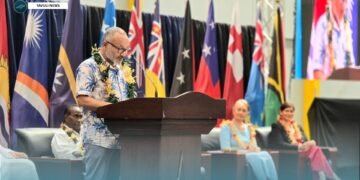
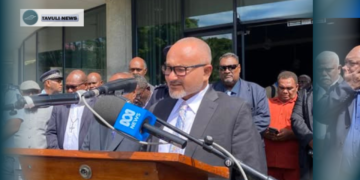
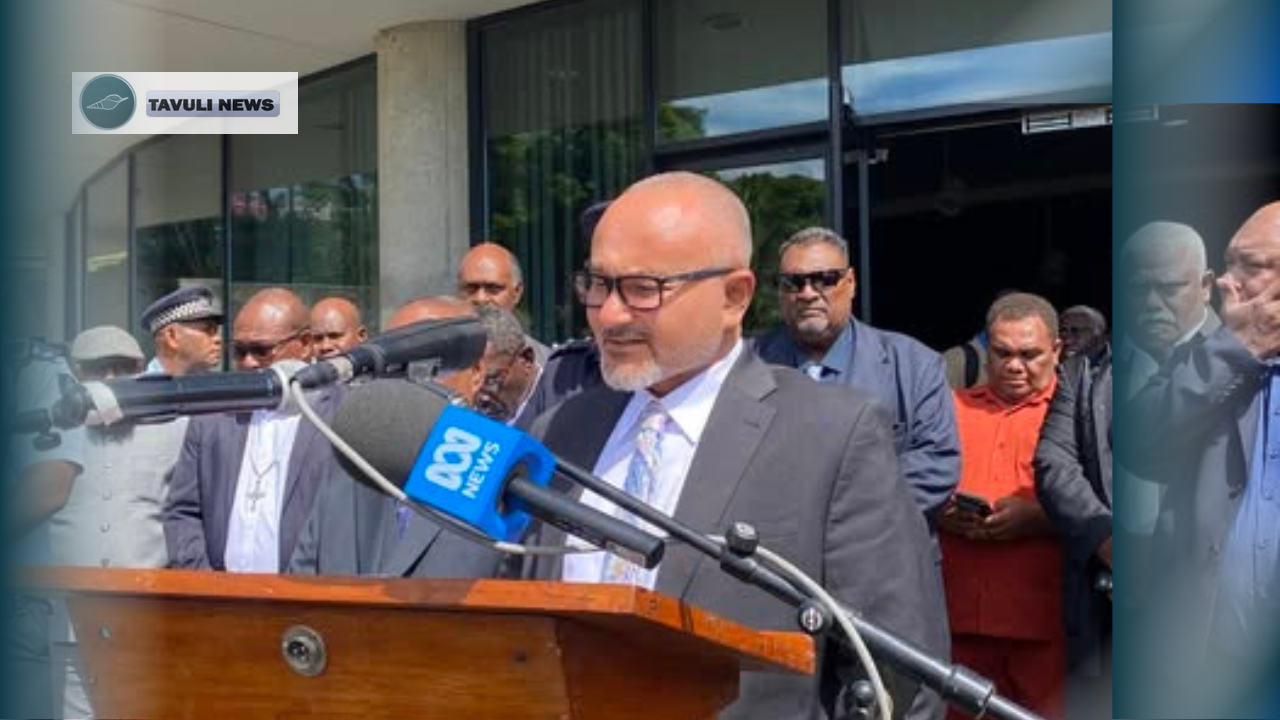
During a recent press conference, Prime Minister Wale dismissed concerns about the number of political appointments made since taking office, saying he was not concerned by ‘numbers’ because his Government had “ambitious goals.”
That position is likely to invite greater public scrutiny.
If expenditure restraint is being achieved partly through lower payroll-related spending elsewhere in government, questions inevitably arise about how expanding the number of senior political advisers aligns with the Government’s broader commitment to fiscal discipline. Whether these appointments represent a worthwhile investment or an unnecessary cost will ultimately be judged by the results they deliver.
Households Are Feeling Today’s Pressures
While long-term infrastructure projects promise future benefits, many Solomon Islanders continue to face immediate increases in living costs.
According to the Central Bank’s Monthly Price Index, household electricity tariffs increased by SBD2.32 during May to SBD8.53 per kilowatt-hour. Fuel prices also rose by SBD2.22 to SBD12.98 per litre.
These increases affect far more than household budgets. Higher fuel costs flow through transport, freight and agricultural supply chains, increasing the cost of moving produce from rural communities to urban markets while placing additional pressure on businesses already operating on tight margins.
At the same time, other economic indicators suggest private sector activity softened during May.
Private sector credit contracted by four per cent, indicating reduced lending by commercial banks. Narrow money (M1) also declined, reflecting less liquidity circulating through the economy.
Meanwhile, total imports fell by 29 per cent, largely driven by reduced imports of machinery, fuel and other goods. While lower imports may improve the trade balance in the short term, weaker machinery imports may also signal slower business investment and reduced economic activity.
Building Tomorrow Without Losing Today
There is little debate about the importance of modern infrastructure.
Improved roads, ports and reliable energy remain essential if Solomon Islands is to reduce transport costs, improve connectivity and expand economic opportunities across the provinces. The country’s external financial position also remains relatively strong, with gross foreign reserves sufficient to cover approximately 12.2 months of imports.
However, macroeconomic stability alone does not guarantee that households and businesses experience economic security.
The defining challenge facing the GREAT Government extends beyond defending political appointments or overseeing donor-funded infrastructure projects. Its success will ultimately depend on whether it can manage the transition between long-term development and the immediate pressures confronting families and businesses today.
The Government inherited much of the country’s existing debt obligations, but it now owns the responsibility for navigating their consequences.
If servicing major infrastructure loans continues to absorb a significant share of monthly government revenue while businesses face tighter credit conditions and households grapple with rising living costs, public expectations for tangible economic relief will only intensify.
Rebuilding the nation’s infrastructure remains essential. But so too is ensuring that ordinary Solomon Islanders have the financial capacity to benefit from the development that those investments are intended to deliver.