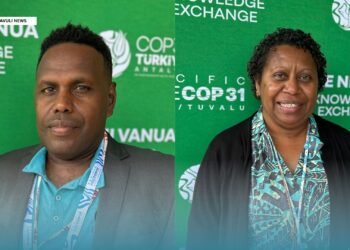
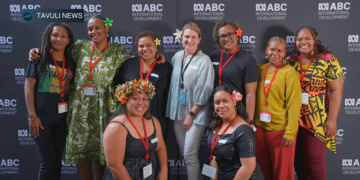





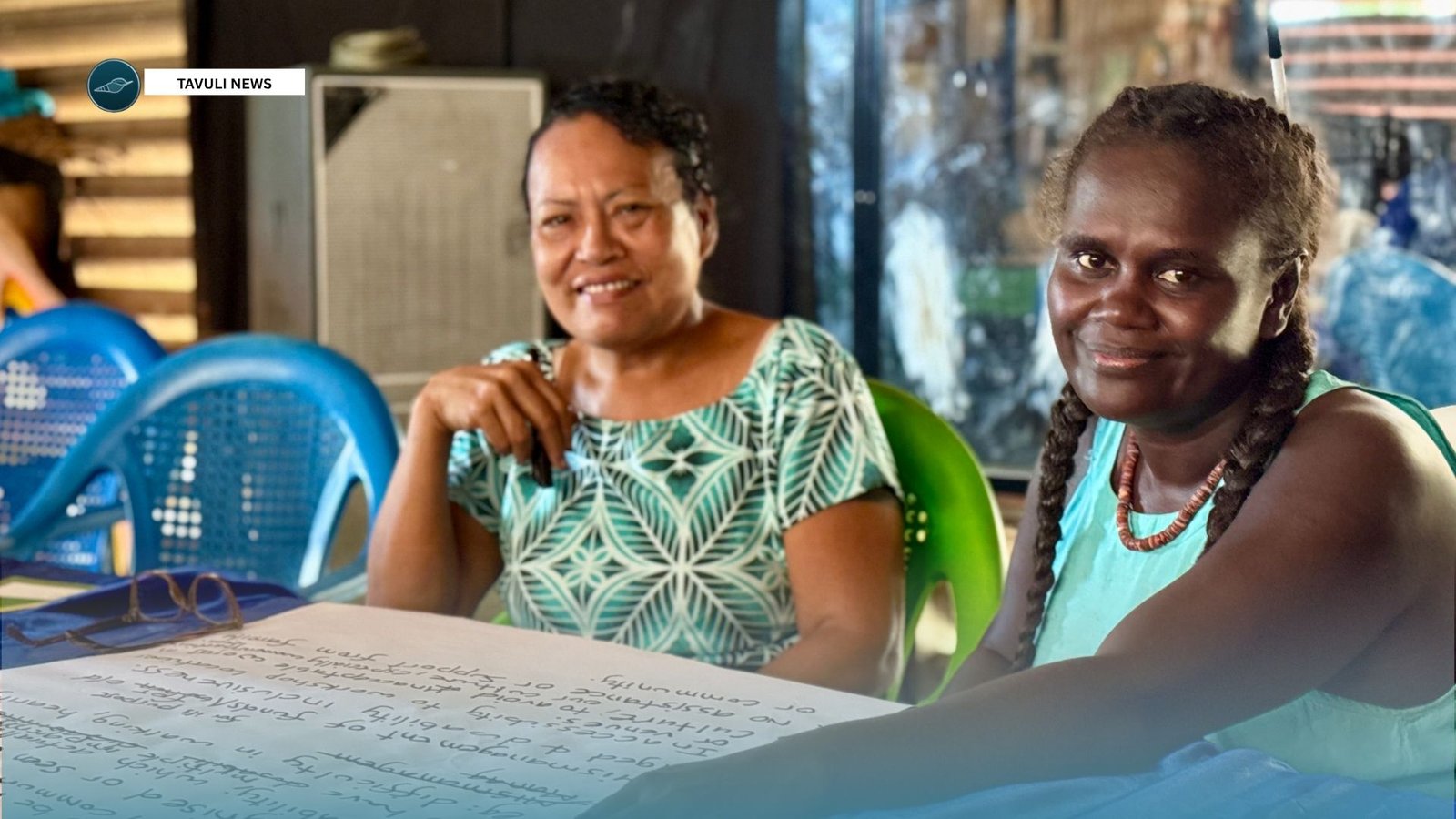
Cedella Nongébatu, GEDSI Coordinator for WWF Solomon Islands, says the initiative aims to ensure people with disabilities are no longer overlooked in community-led environmental work.
In a move described as a national first for the conservation sector, WWF Solomon Islands has partnered with the National Disability Forum Solomon Islands (NDFSI) to develop a tangible guide for disability-inclusive community engagement.
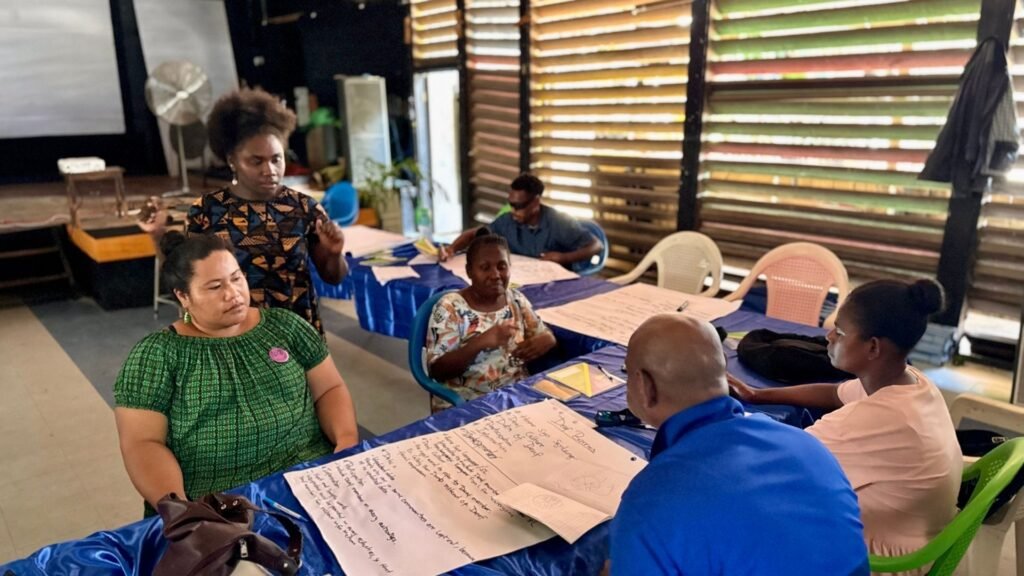
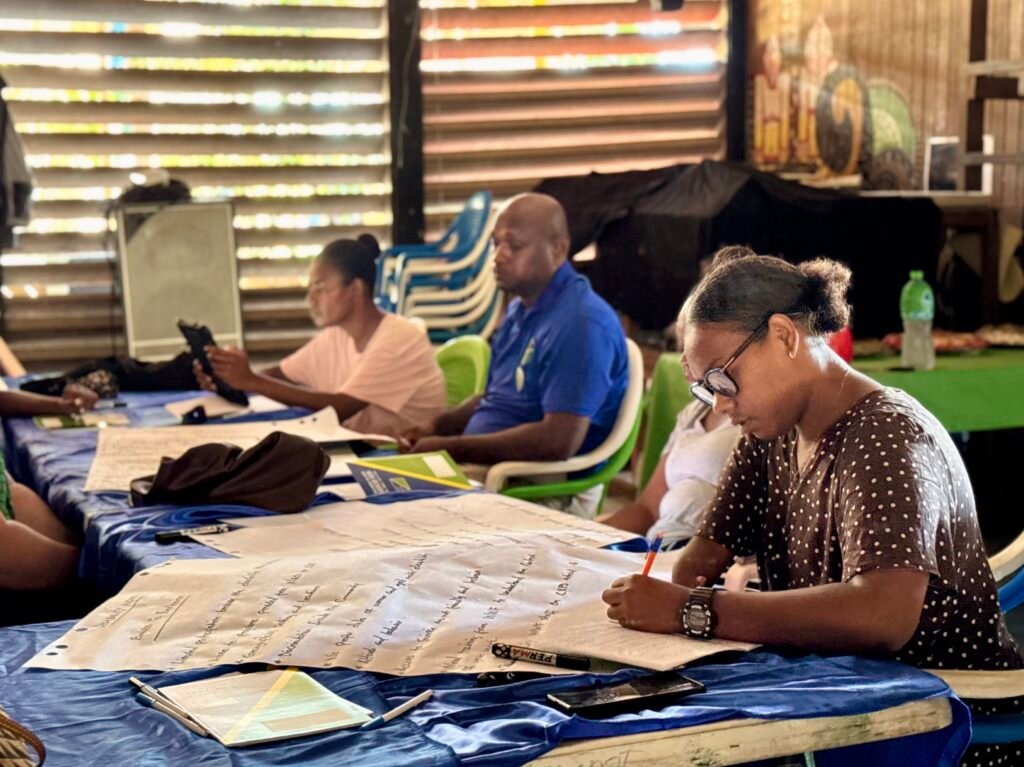
The two-day workshop, held at the Dreamcast Theatre Art Hub in Honiara, brought together a wide range of advocates, including the Solomon Islands Deaf Association, the Psychosocial Association, and the Disability Women’s Empowerment Association.
The goal is to move beyond rhetoric and create a practical “how-to” manual that ensures people with disabilities are not just present, but actively participating in environmental projects across the Western and Central provinces.
From the margins to the center
“People with disabilities are unfortunately one of the demographics in our country that are overlooked,” said Cedella Nongebatu, the Gender Equality Disability and Social Inclusion (GEDSI) Coordinator for WWF Solomon Islands.
“Many times they bring so much enriching expertise from their diversity in perspectives. We want to make sure everyone in the community is involved.”
The guide is designed to help community leaders and conservation partners understand the specific barriers—ranging from physical access to communication hurdles—that vary across different disabilities. Nongebatu emphasized that the approach is about empowerment rather than force, ensuring people feel “comfortable to participate fully.”
A practical roadmap
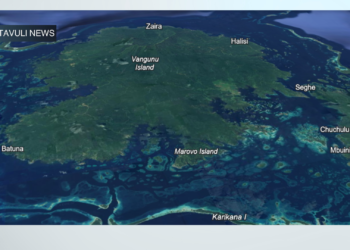
While the document will initially serve WWF’s “Western and Central Seascapes” projects, the organization intends for it to be a reference point for government partners and other NGOs.
The initiative comes at a critical time as the Solomon Islands continues to navigate the ratification of the Convention on the Rights of Persons with Disabilities (CRPD). For those living in remote areas, the challenges are doubled by a lack of basic service access.
“In communities, service access is one of the biggest barriers,” Nongébatu said. “This is a conversation that will need to connect with our government partners to come up with a working model—sharing the responsibility to ensure [people with disabilities] are connected to services and information.”
Next steps
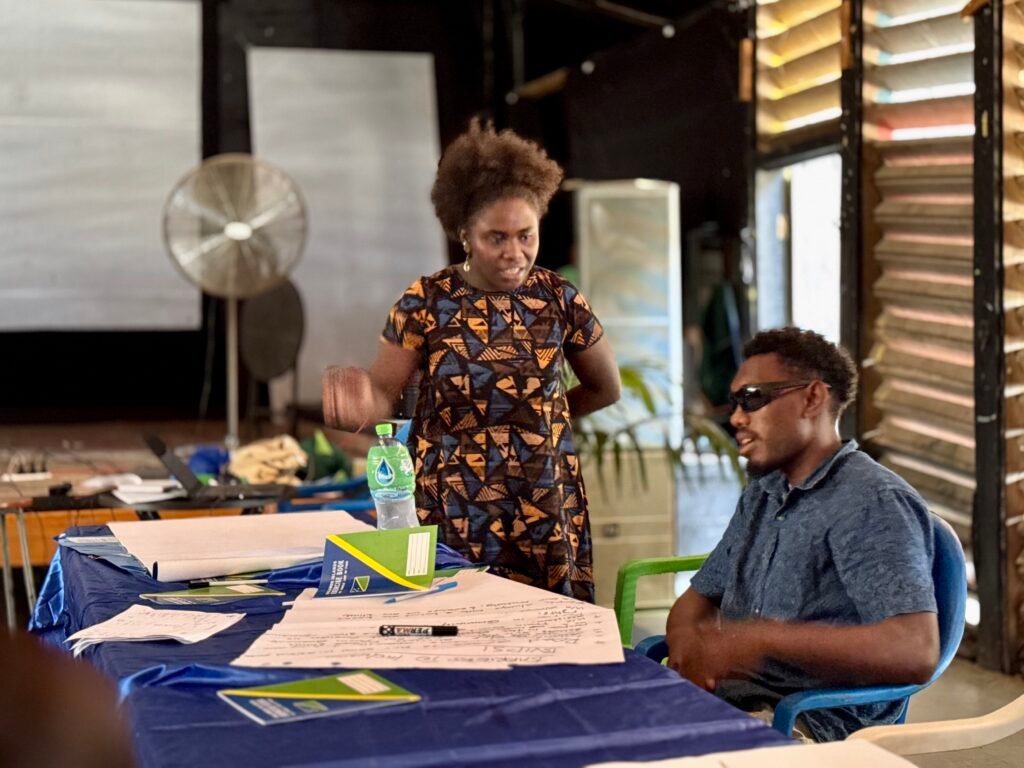
Following the workshop, WWF plans to conduct field visits to the Western Province to test the guide’s effectiveness on the ground. The final document is expected to be printed and ready for distribution by the end of June.
By formalizing these inclusive practices, WWF and NDFSI hope to ensure that when community benefits or projects arrive, no one is left behind.