















































Independent Group backs parliamentary oversight of treaties, citing Ship Rider Agreement and foreign policy transparency
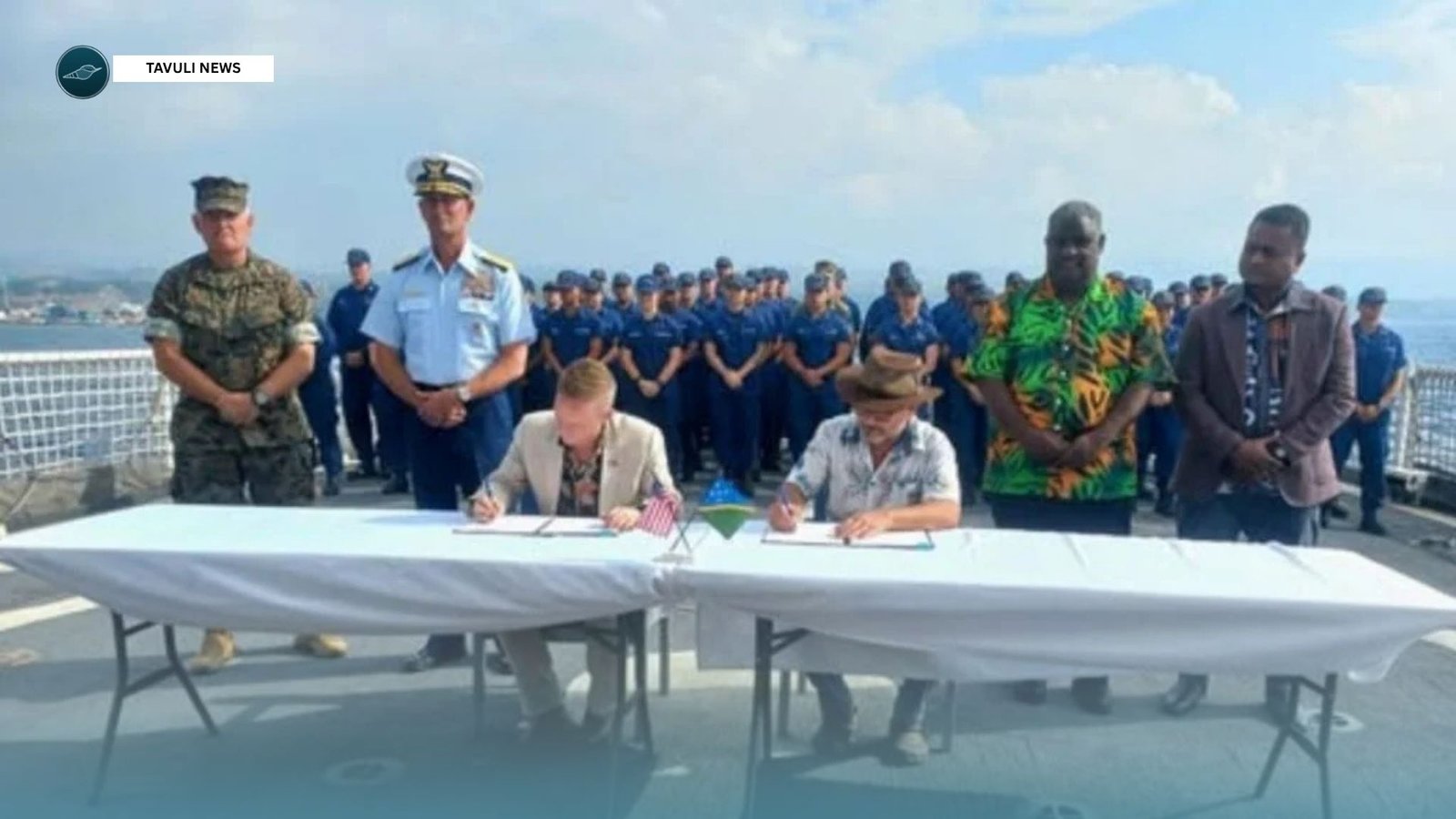
HONIARA, SOLOMON ISLANDS – The Independent Group welcomes the thoughtful contributions by Dr. Transform Aqorau and Dr. Joseph Foukona to the national discussion on the Solomon Islands–United States Ship Rider Agreement. Their legal and policy perspectives have enriched an important public debate.
However, we wish to clarify that our earlier statement was not directed at the legal validity or operational value of the Ship Rider Agreement itself.
Our principal concern is the broader constitutional and governance principle of parliamentary oversight of international treaties and agreements.
The Prime Minister, Hon. Matthew Wale, has publicly stated that international treaties and agreements should be tabled in Parliament. This commitment, made following his official visits to Australia and New Zealand, represents an important departure from the practice of previous governments, which generally regarded the negotiation and signing of treaties as matters for the Executive alone, without parliamentary scrutiny.
The Independent Group welcomes and fully supports this commitment by Prime Minister Wale. It reflects the GREAT Coalition’s promise of greater transparency, accountability and democratic governance. If “change is coming” is to be more than a slogan, then Parliament must be given its rightful constitutional role in scrutinising international agreements that have legal, financial or strategic implications for Solomon Islands.
The Independent Group also notes that the United States is not a State Party to the United Nations Convention on the Law of the Sea (UNCLOS). While the United States generally recognises many provisions of UNCLOS as reflecting customary international law, its non-party status raises legitimate policy questions that Parliament should have the opportunity to examine when considering agreements that involve maritime jurisdiction and law enforcement cooperation.
Similarly, Parliament should carefully consider how bilateral arrangements interact with existing regional commitments, including the Niue Treaty and its subsidiary cooperative mechanisms. Solomon Islands has invested significantly in regional maritime surveillance and fisheries enforcement, and Parliament should satisfy itself that future bilateral agreements strengthen, rather than unintentionally undermine or duplicate, these established regional frameworks.
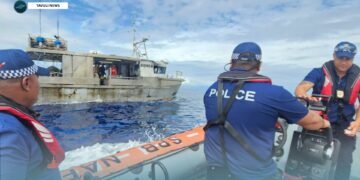
Finally, if Solomon Islands considers Ship Rider Agreements to be an effective mechanism for combating illegal, unreported and unregulated fishing, transnational crime, human trafficking and drug trafficking across our vast maritime domain, then the Government should be prepared to consider similar arrangements with other trusted partners where such agreements advance our national interest.
In that regard, Dr. Aqorau’s article invites broader policy reflection. The Independent Group believes the Government should also consider whether a similar maritime cooperation arrangement with the People’s Republic of China would complement our existing partnerships and further strengthen Solomon Islands’ capacity to police one of the largest exclusive economic zones in the Pacific.
The Independent Group remains committed to an independent foreign policy that is guided by Solomon Islands’ national interest, respects international law, promotes regional cooperation, and ensures that Parliament plays its proper oversight role in matters of national significance.
SOURCE:// Independant Group Press Release