


































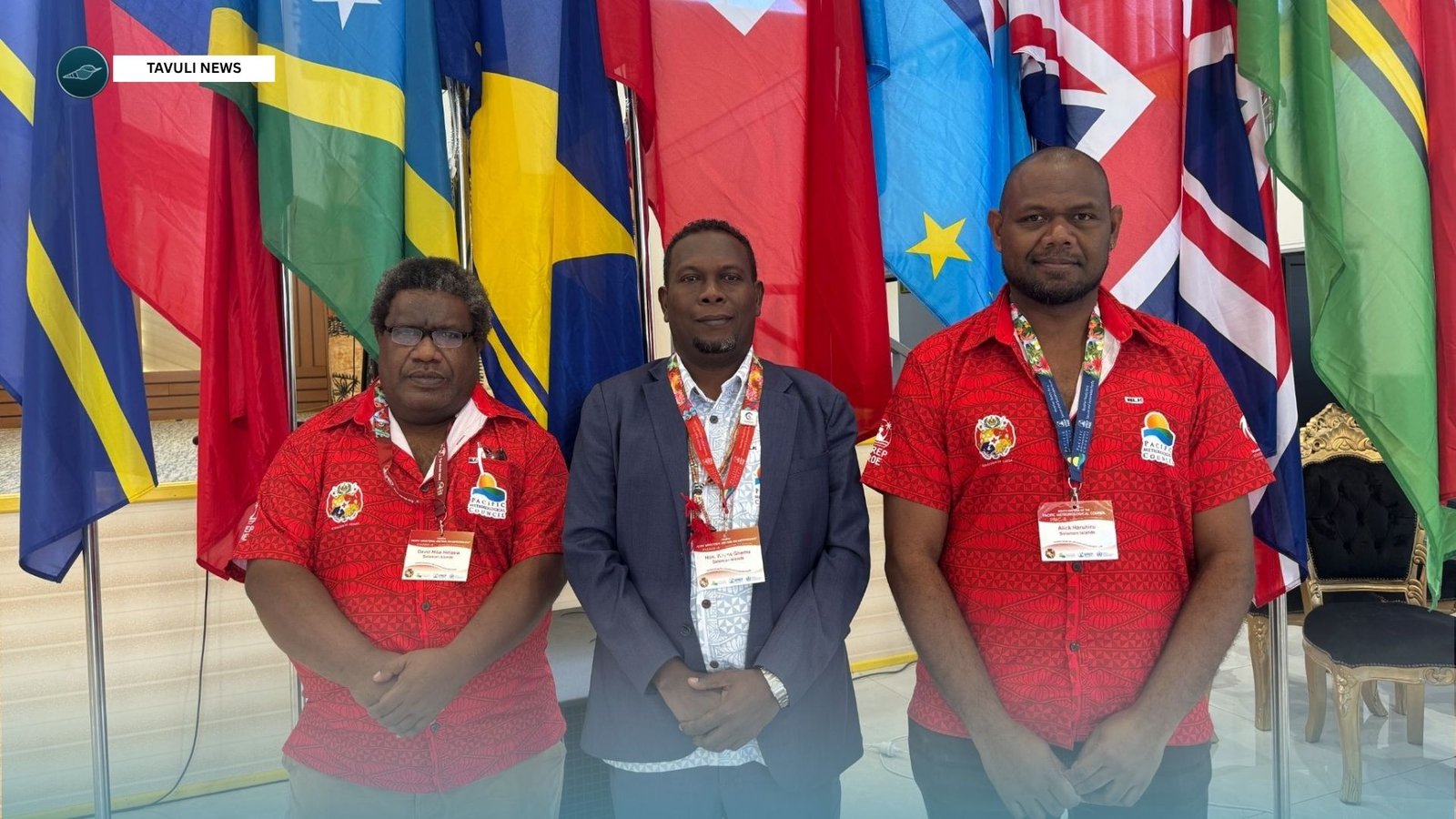
Solomon Islands is calling for stronger marine weather and ocean services to improve maritime safety and protect communities.
Solomon Islands is calling for stronger marine weather and ocean services to improve maritime safety and provide communities with better information before and during severe weather events.
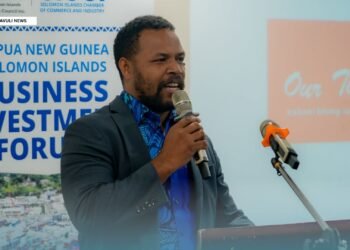
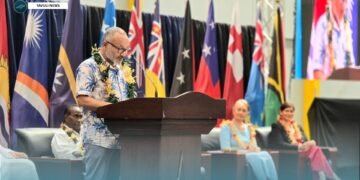
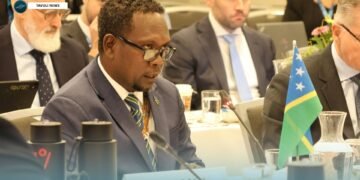
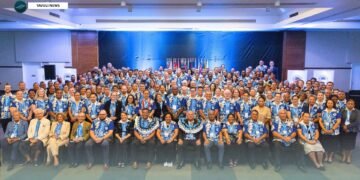
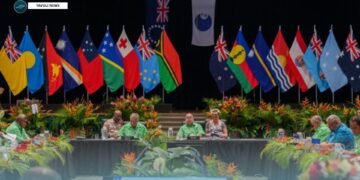
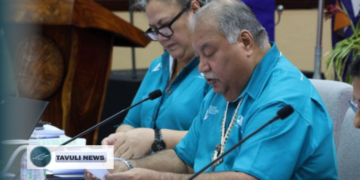
Speaking at the Fourth Pacific Ministerial Meeting on Meteorology in Nuku’alofa, Tonga, Environment, Climate Change, Disaster Management and Meteorology Minister Wayne Ghemu said improved marine forecasting, ocean observations and early warning systems were important for a country where people rely heavily on sea travel.
Ghemu said recent maritime incidents had reinforced the need to strengthen these services.
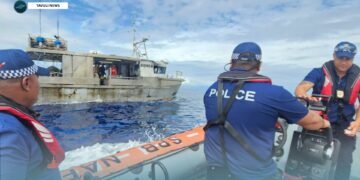
Citing figures from the Director of the Solomon Islands Maritime Authority, he said 21 people had lost their lives at sea in 2026, including in small-boat incidents and a recent domestic ship fire.
Ghemu said the figure had already doubled the average annual loss of life recorded between 2020 and 2025.
“With this, maritime safety becomes our national priority,” Ghemu said.
He said Solomon Islands’ priorities include higher-resolution marine forecasts, stronger ocean observation networks and better systems for communicating warnings to communities.
“Our top priority remains high resolution forecasts, ocean observation network, appropriate dissemination means, and the supportive ICT system,” he said.
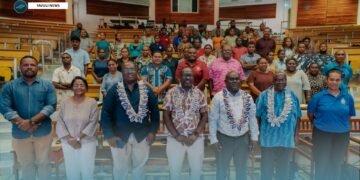
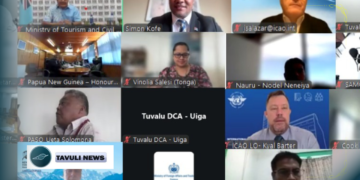
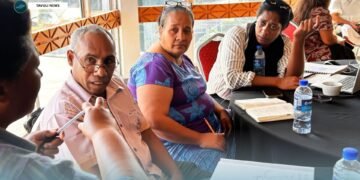
Director of the Solomon Islands Meteorological Service, Alick Haruhiru , told Tavuli News at the Pacific Meteorological Council meeting that improved marine weather and ocean services would strengthen the information available to the public.
“If we have this infrastructure and services, it will definitely help how we coordinate and boost the level of weather-ready information to keep communities informed before and during any disaster,” Haruhiru said.
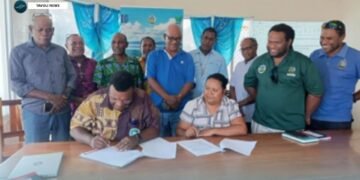
Haruhiru said the Solomon Islands Meteorological Service is currently working with the Solomon Islands Maritime Authority on the Safety of Navigation and Ocean Prediction Services in the Western Province, known as SONOS-WP.
The project began in August 2026 and is aimed at strengthening marine weather prediction and navigation safety in Western Solomon Islands.
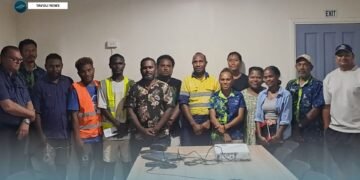
The project includes deploying new wave buoys and tide gauges to strengthen the ocean observation network, providing marine forecasting training for forecasters, and engaging communities on marine weather services.
Ghemu also outlined investments in Solomon Islands’ broader meteorological infrastructure.
He said the country is implementing its first national weather radar through the Weather Ready Pacific programme, with completion and commissioning expected by late November or early December 2026.
Existing meteorological stations are also being upgraded, while three new upper-air stations are planned through the Systematic Observations Financing Facility.
However, Ghemu said establishing the infrastructure was only the first step, with long-term resources and technical capacity needed to maintain the systems.
“Establishing and upgrading these systems is only the beginning,” he said.
Ghemu said national meteorological services would need resources, technical capacity and institutional support to operate and maintain the systems over the next 10 to 15 years.
He also called for greater regional cooperation to strengthen marine forecasting, ocean monitoring, impact-based forecasting, communication and early warning systems.
“The ocean is our highway, our source of livelihoods, and our lifeline,” Ghemu said.
He urged the Pacific Meteorological Council, SPREP, SPC, the World Meteorological Organization and development partners to work together to strengthen marine weather and ocean services across the Pacific.
End//