















































Solomon Islands targets zero malaria deaths by 2030 and nationwide elimination by 2038 under a new national roadmap.
The Ministry of Health and Medical Services,with support from the Asia Pacific Leaders Malaria Alliance (APLMA) and collaboration with the World Health Organization, has set a target of zero malaria deaths by 2030 under a national roadmap aimed at eliminating malaria in Solomon Islands by 2038.
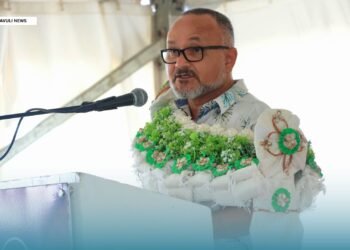
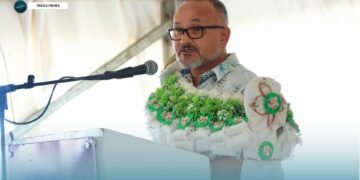
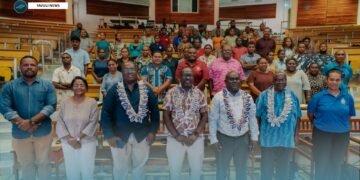
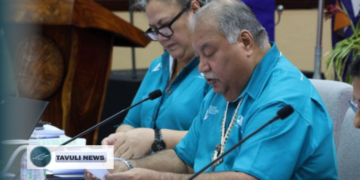
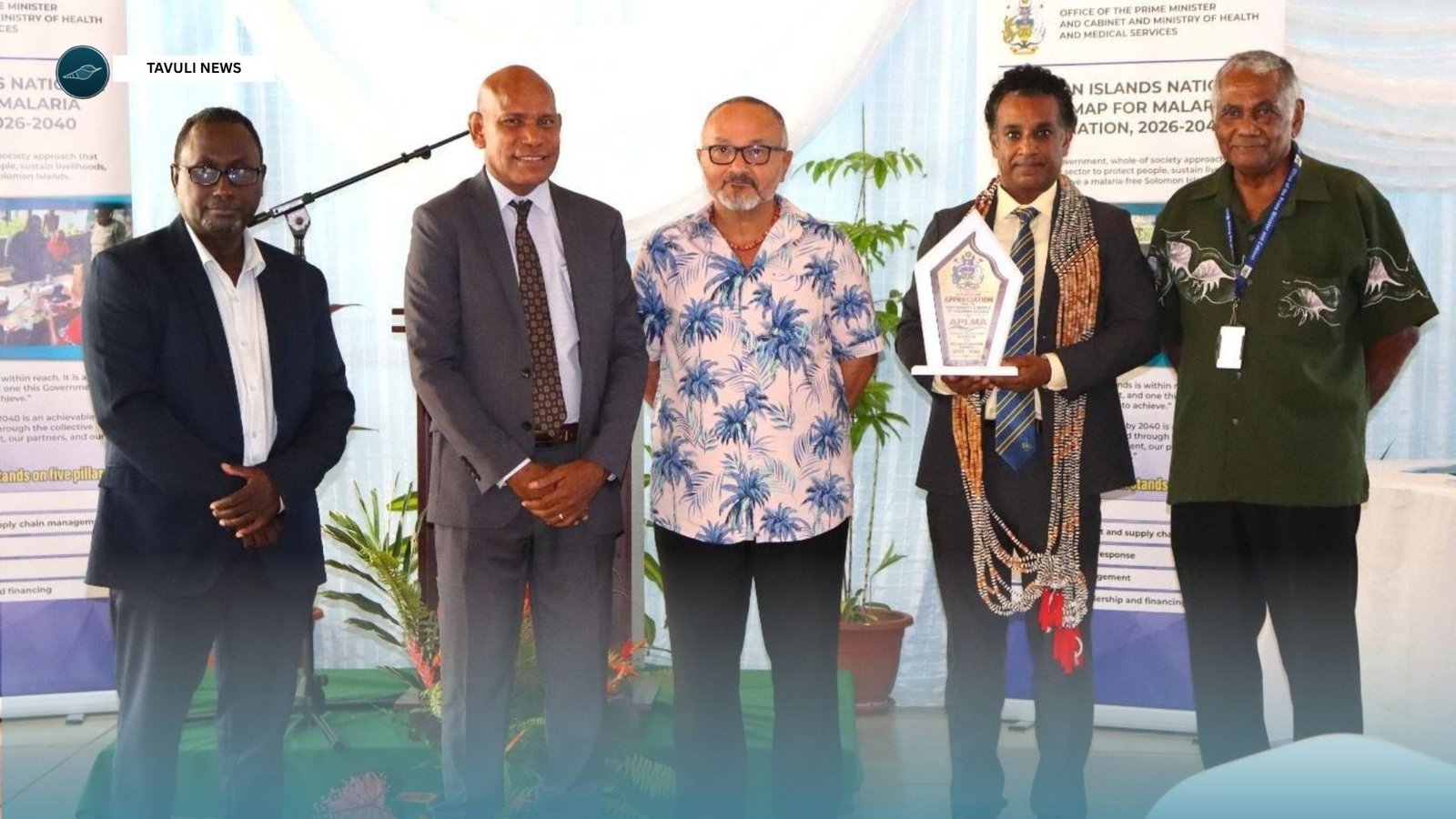
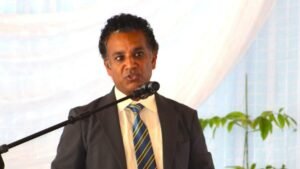
Minister for Health and Medical Services Morris Toiraena announced the targets during the launch of the National Roadmap for Malaria Elimination 2026–2040, held on World Mosquito Day.
Under the roadmap, the Government aims to reduce confirmed malaria cases by 45 percent and achieve zero malaria deaths by 2030. By 2032, malaria transmission is targeted to return to pre-2015 levels, followed by nationwide elimination by 2038 and World Health Organization certification of malaria-free status by 2040.
The targets come as Solomon Islands continues to record a high number of malaria cases. Mr Toiraena said 120,604 confirmed cases were recorded in 2025, compared with 18,404 cases in 2014.
Asia-Pacific Leaders Malaria Alliance Chief Executive Officer Dr Sarthak Das said the roadmap provides an opportunity to direct resources and interventions towards areas with the highest malaria burden.
Dr Das said about 85 percent of the country’s malaria burden is concentrated in Malaita, Guadalcanal, Honiara, Western and Central provinces.
He also welcomed the use of malaria data at constituency and ward levels, rather than relying solely on health zones, saying the approach could provide useful lessons for other countries in the region.
“The roadmap is incredibly significant in terms of what it represents,” Dr Das said.
He said progress towards malaria elimination would depend significantly on implementation at provincial and community levels.
“Ultimately this will be won or lost sub-nationally at that level,” he said.
Dr Das said targeted investment and coordinated action could help translate the national elimination goal into measurable steps and outcomes.
He also highlighted the longer-term goal of reducing malaria transmission for future generations.
“We want to make sure that the children being born right now in that hospital, when they stand here, they won’t remember what malaria really is,” he said.
Mr Toiraena said achieving the targets would require sustained financing, coordination and continued action involving the national and provincial governments, communities and development partners.
By: Steven Kamoa.