











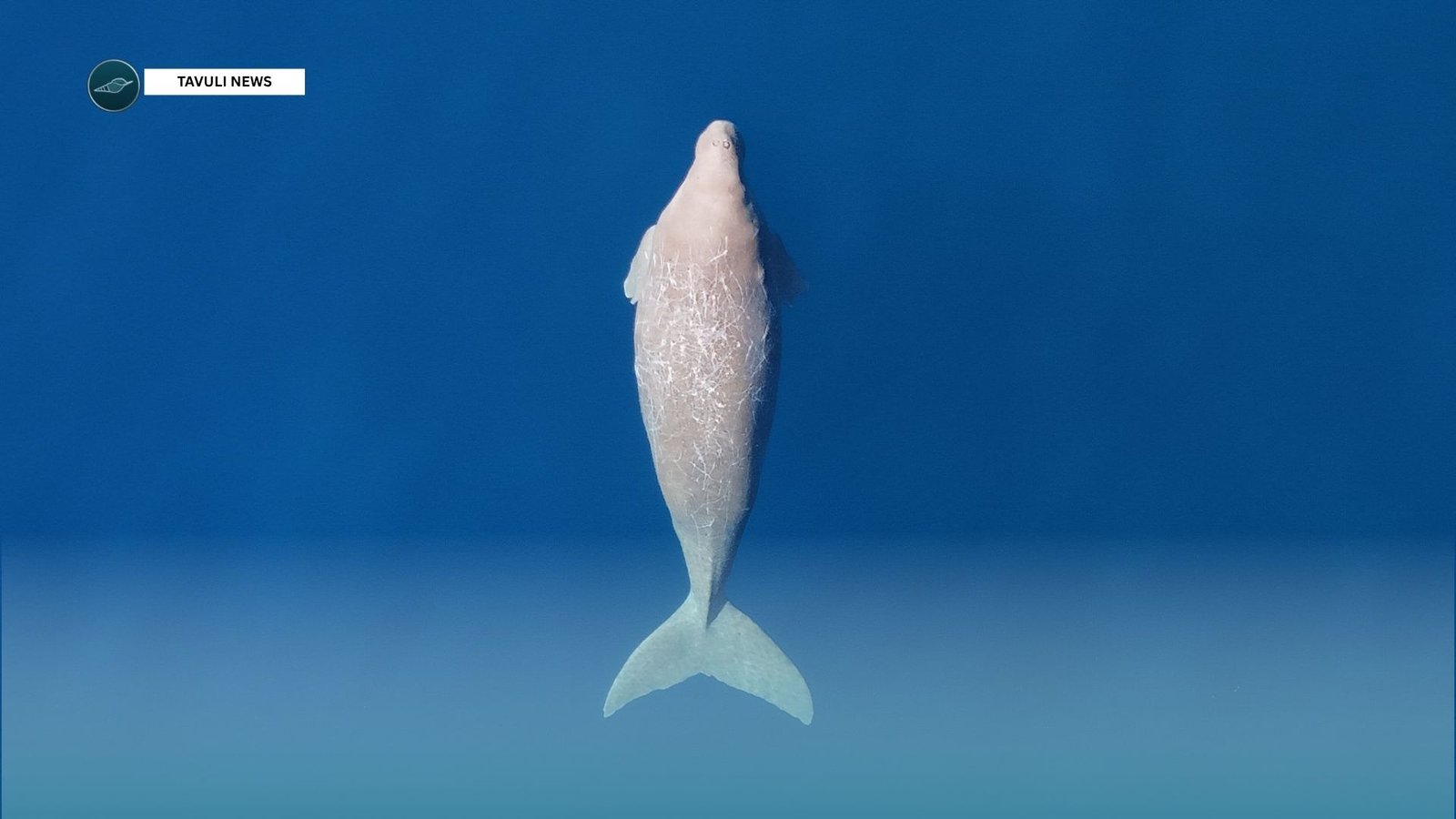

Experts warn hunting and habitat loss are pushing Solomon Islands dugongs closer to local extinction.
The dugong has been flagged as one of the most at-risk marine mammals in the Solomon Islands, with experts warning that opportunistic hunting and severe habitat destruction are driving the unique species toward local extinction.
Speaking at a panel discussion for World Biodiversity Day 2026 hosted by the Solomon Islands Broadcasting Corporation (SIBC) and facilitated by the Ministry of Environment, Ministry of Environment Chief Conservation Officer Rose Babaua confirmed that the dugong—alongside the marine turtle—tops the nation’s list of highly endangered species.
“The dugong is a highly unique species that is slowly disappearing from our waters,” Babaua warned.
“We must ensure and take into consideration that we have to leave them to increase their population in our country. If we don’t care for them, these mammals face extreme risk.”
Cultural Feasts and Dual Threats
Dugongs reproduce very slowly, meaning even minor population losses can trigger a devastating ecological collapse. Despite this vulnerability, dugong meat remains highly prized for traditional gatherings, weddings, birthdays, and religious events across various provinces.
While intensive commercial hunting is rare, past surveys reveal that local fishers ruthlessly exploit opportunistic encounters. Data shows that out of 56 dugongs caught in nets—either intentionally or accidentally—between 2005 and 2010, all but one were slaughtered to be eaten or sold.
However, attitudes vary across the archipelago; in certain areas, dugongs are deeply revered as tribal totems, granting them complete cultural protection from consumption.
Beyond direct hunting, the mammals face a severe habitat crisis. According to data from the 2026 Dugong and Seagrass Conservation Project, vital seagrass habitats—particularly in areas like the Vonavona Lagoon—are facing immense pressure from population growth, coastal development, and land-based pollution.
Historically, provincial surveys pinpoint the highest number of dugong sightings in:
- North-east Choiseul
- Honiara Bay
- Northern Malaita
- Samasodu coast (Isabel Province)
- Marovo Lagoon
- Western Province
Strict Bans Fight Against Rising Pressure
Because dugongs rely entirely on shallow coastal seagrass meadows to survive, they remain incredibly easy targets for coastal communities. A widespread lack of local scientific awareness means many residents are entirely unaware of the animal’s global vulnerability.
To combat the decline, the Solomon Islands government enacted strict legal safeguards under the Fisheries Management (Prohibited Activities) Regulations 2018. The law makes it completely illegal to fish for, retain, possess, buy, or sell dugongs.
However, conservationists argue that legislative bans are only half the battle. Without reversing the dual threats of incidental net by-catch and targeted hunting for cultural feasts, the legal protections may not be enough to save the Solomon Islands’ remaining dugong populations.
Local Conservationist Albert Genimaasua describes the dugong as an endangered marine mammal species with very few found around the Solomon Islands. It only lives around certain areas in the main islands and sites that are suitable for feeding and breeding.
He said information needs to get down to the resource owners so they can understand better.
“Our local people have limited scientific and biological information, or lack knowledge about this important mammal to our marine ecosystem and global concerns,” Genimaasua said.
He further added that there is a need for more support towards mammal and reptile species, such as endangered dugongs and turtles in the Solomon Islands.
“We are racing against time, climate change impacts, and human activities. Better to do something than be late,” he added.
Conservationists note that dugongs play an important role in maintaining healthy seagrass ecosystems by grazing on seagrass beds, which support fish populations, improve water quality, store carbon, and help protect coastlines from erosion. The presence of dugongs is also considered an indicator of a healthy marine environment, highlighting the broader ecological importance of protecting the species and its habitat.