



























MHMS, WHO and HCC strengthen primary health care services through a PHC checklist workshop in Honiara
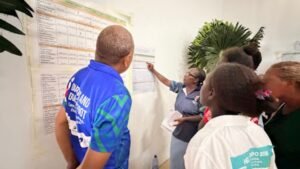
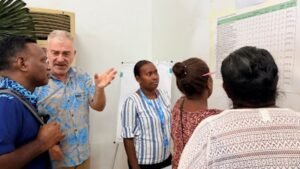
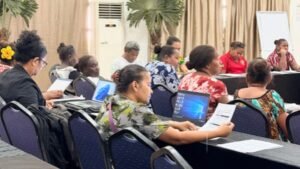
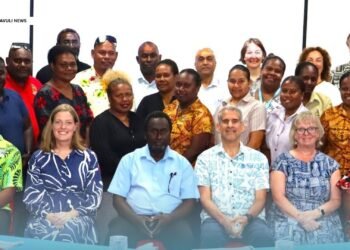
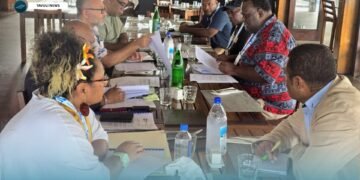
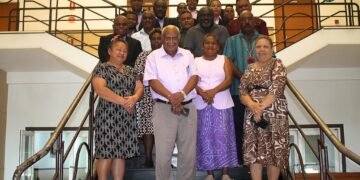
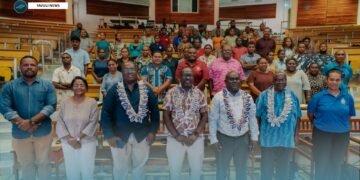
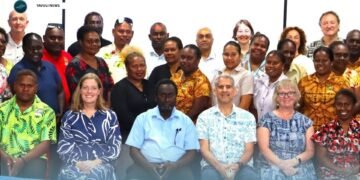
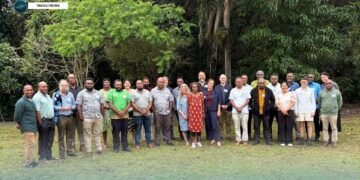
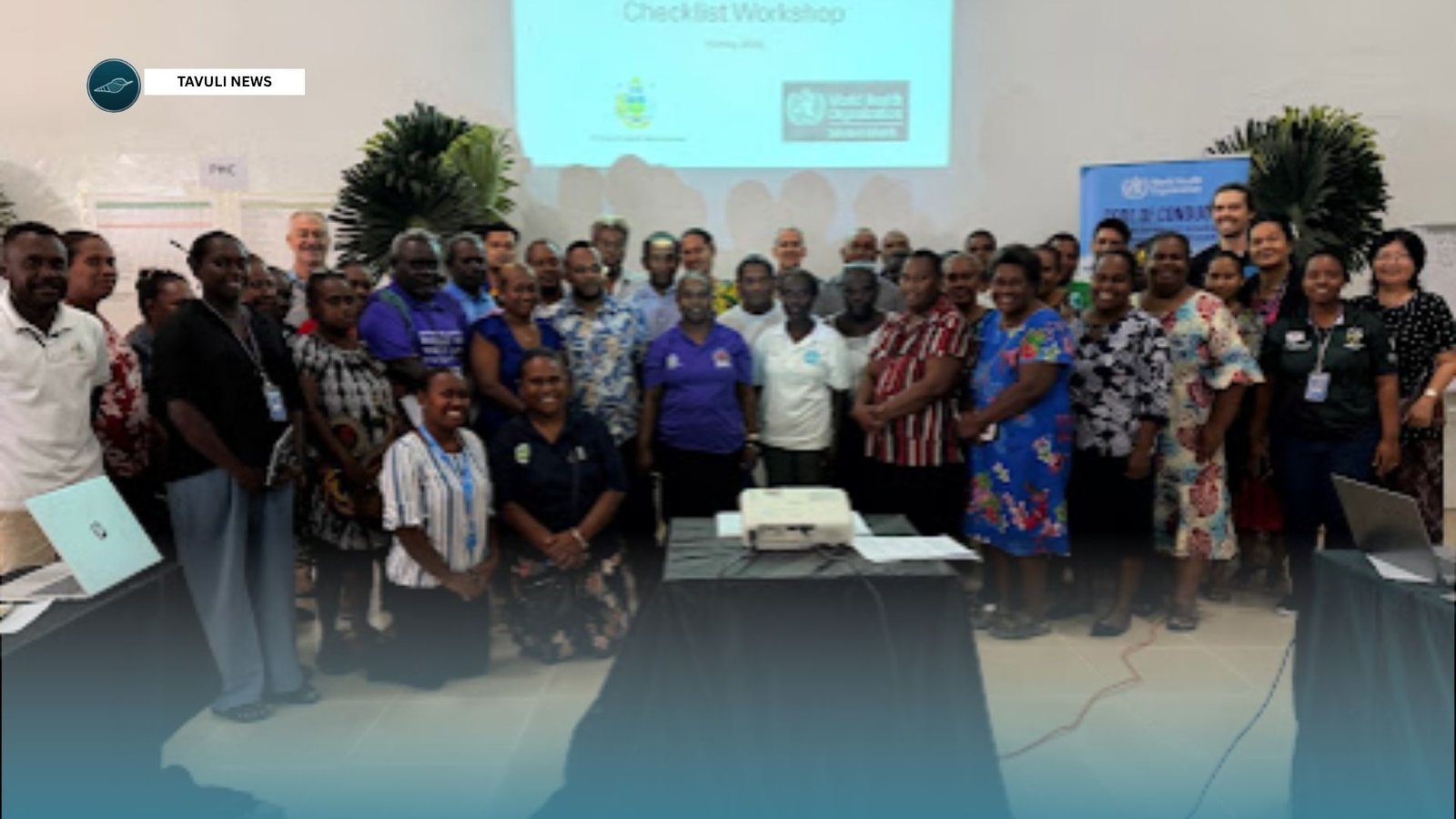
HONIARA, 21 May 2026 – Representatives from the Ministry of Health and Medical Services (MHMS) and the World Health Organization (WHO) Solomon Islands recently joined Honiara City Council (HCC) heads of health facilities for a Primary Health Care (PHC) Checklist Workshop aimed at strengthening frontline health services and improving the quality, accessibility, and coordination of care.
The workshop focused on developing and refining a practical PHC checklist to help health facilities and local governments deliver more responsive and people-centered healthcare services. It served to analyze service delivery and data quality of Reproductive, Maternal, Newborn, Child, and Adolescent Health (RMNCAH), Essential Programme on Immunization (EPI), malaria, tuberculosis, water, sanitation and hygiene and infection prevention and control (WASH/IPC), emergency preparedness, non-communicable diseases, and other PHC services based on recent assessments.
It also aimed to identify strengths and areas for improvement across all assessed programmes and facilities and agree on the top five actions that will deliver the most impact on health outcomes within 1 and 3 months at facility, provincial, and national levels. The workshop highlighted the critical role of PHC as the foundation of resilient health systems and universal health coverage. Through technical discussions, collaborative sessions, and knowledge-sharing, participants identified key priorities and actionable measures to enhance service delivery, strengthen accountability, and improve patient outcomes across communities.
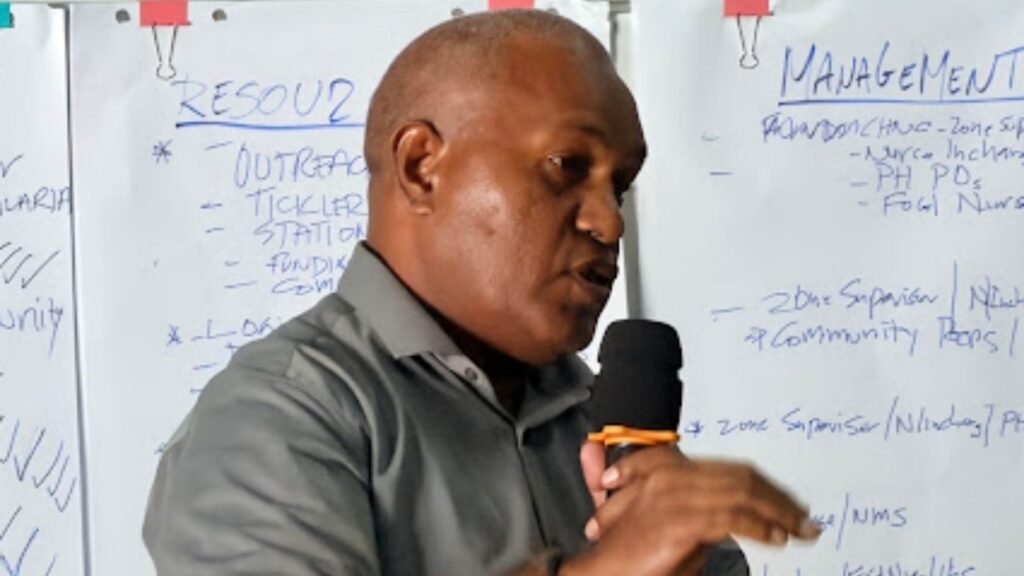
The HCC Health Director Dr Lawrence Diau thanked WHO for facilitating this important workshop. He noted that a robust primary health care is essential to a strong and resilient health system. “This workshop has provided an important opportunity for health workers, programme teams, and partners to come together, share experiences, review challenges, and identify practical solutions to improve service delivery in communities,” said Dr Diau. “Through the strong collaboration, open discussions, and technical sharing that happened today, we are ensuring that our systems are more effective, responsive, and user-friendly for both health workers and the people we serve. We appreciate everyone’s commitment and contributions in strengthening health services not just in HCC but across the country,” said Dr Diau.
WHO Representative in Solomon Islands Dr Howard Sobel said, “Today’s workshop is the result of more than six months of planning, collaboration, and hard work by health teams, programme managers, and partners committed to improving primary health care services. What began as a discussion with Dr Diau on how to bring together and use health data has now evolved into a practical model for coordinated action and stronger accountability across programmes and facilities.”
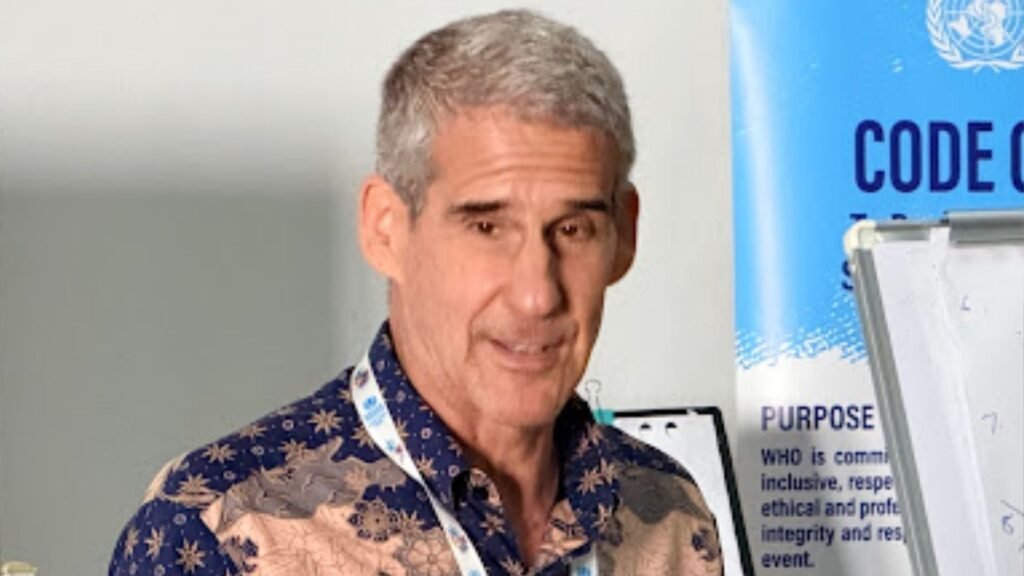
He thanked all the health staff, zone managers, programme teams, partners, and his own WHO team, who contributed their time, expertise, and commitment to making the workshop a success. He added that the workshop is not intended to be a one-time event. The lessons learnt will help shape future efforts across other provinces and strengthen how MHMS and WHO support facilities, improve service delivery, and respond to community needs.
“This exercise has been very valuable for me as a nurse manager in broadening my understanding of how we can improve performance at the facility level,” said Ms Barbra Quiroquiro, Nurse Manager at Mataniko Area Health Center. “This workshop allowed us to reflect honestly on our current practices and identify areas where we need to strengthen service delivery and improve primary health care indicators,” said Ms Quiroquiro.
For Mevilyn Manetei, a nurse at Mbokonavera Clinic, the workshop helped give her practical strategies on how clinics and health teams can work together to address gaps within our health system. “It reinforced the importance of teamwork, integration, and planning together across all clinics and programmes in order to achieve the Ministry’s goals,” she said. Ms Quiroquiro thanked WHO and MHMS for supporting and facilitating the workshop.
“The knowledge and skills gained through this workshop will help both health workers and facility leaders make meaningful improvements that will ultimately benefit our communities,” she said. Organizers expressed optimism that the workshop’s outcomes will contribute to a more consistent implementation of PHC standards and reinforce ongoing efforts to build stronger, more responsive health systems. The finalized checklist is expected to serve as a practical guide for health workers, managers, and local health leaders in advancing quality primary care services.
PRESS RELEASE