


































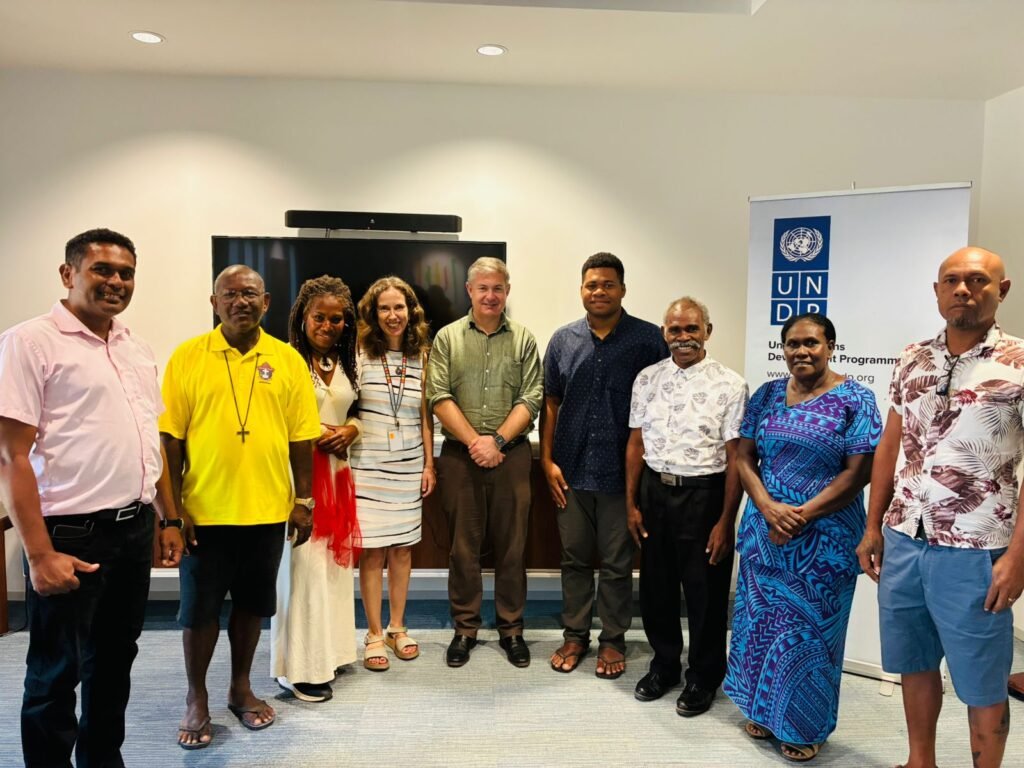
Small Grants Initiative expands to Solomon Islands, funding civil society to lead climate resilience and community projects.
Four Solomon Islands civil society organisations have been awarded funding under Phase 2 of the Small Grants Initiative (SGI), marking a significant step in strengthening community- led, climate-resilient development across the Pacific.
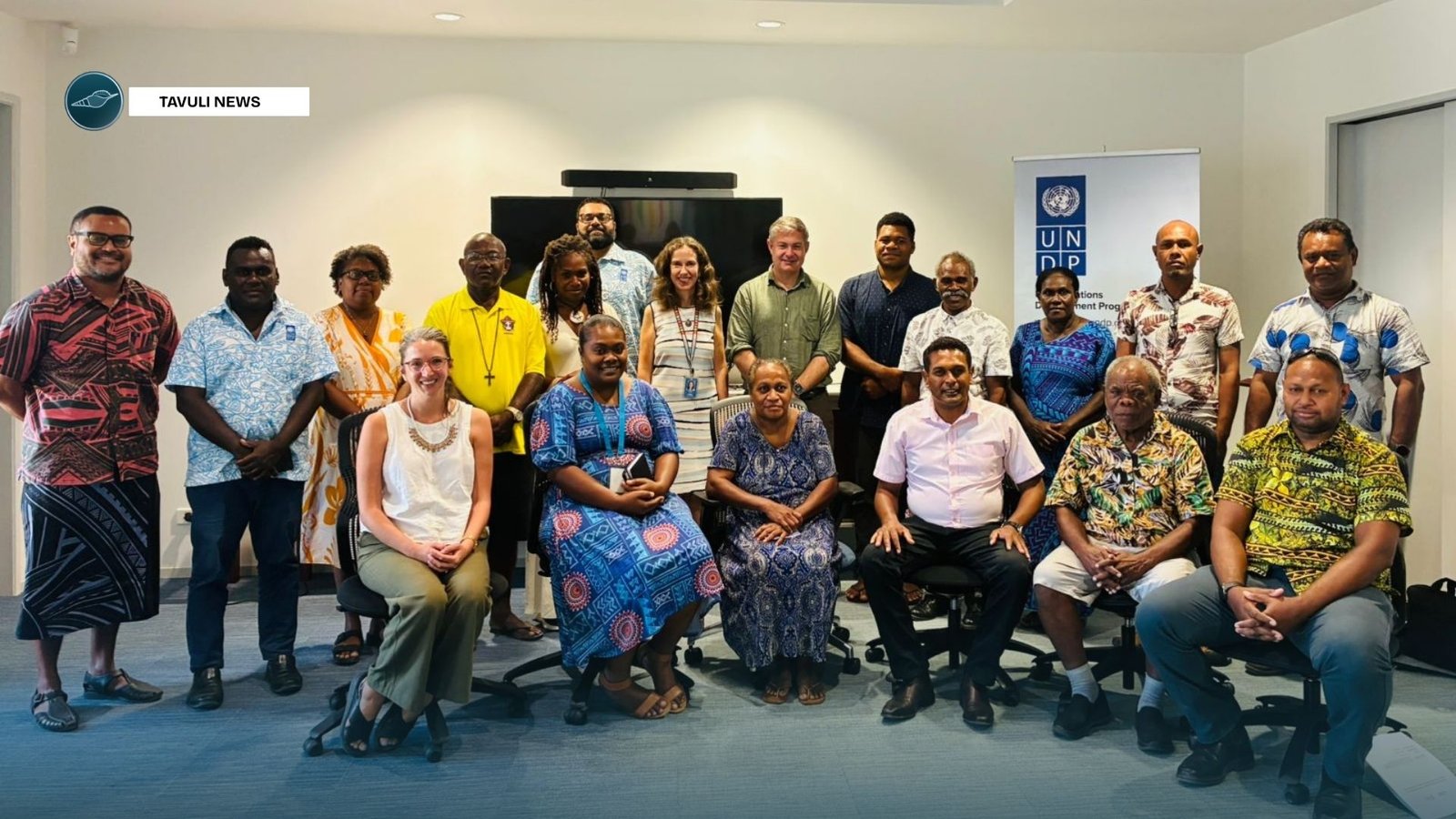
Hosted by the New Zealand High Commission in partnership with the United Nations Development Programme (UNDP), the event celebrated New Zealand’s support through its Ministry of Foreign Affairs and Trade (MFAT) for community resilience initiatives through the Governance for Resilient Development in the Pacific (Gov4Res). This partnership ensures that climate finance reaches capable, accountable local organisations while strengthening national systems that support long-term resilience.
Following earlier rollouts in Tuvalu and Fiji, the Solomon Islands event marked the continued scale up of SGI in strengthening community-led resilience across the region.
Strengthening civil society to lead resilient development Civil society organisations play a vital role in delivering services, strengthening livelihoods and supporting resilience across Solomon Islands. Yet many continue to face capacity, governance and resource constraints that limit their ability to scale community-led solutions.
SGI responds to this by providing both funding and institutional capacity support, combining
risk-informed project financing with structured mentoring, governance strengthening and technical guidance delivered via UNDP’s Gov4Res. This ensures projects are community – led gender responsive and grounded in strong foundations for sustainable implementation.
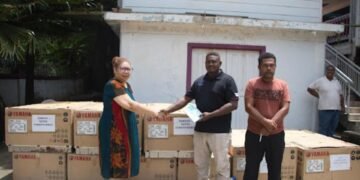
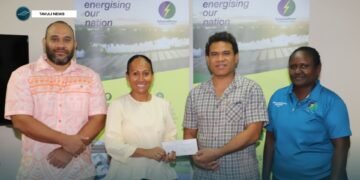
SGI Phase 2 provides US$200,000 in grants to support four community-driven projects which will be implemented in 2026, each aligned with national development priorities and resilience objectives.
The successful grantees are Greenenergy Pacific, the ACOM Care Foundation Trust Board, the Gizo Women in Development Trust Board, and the Tataba Ward Development Committee.
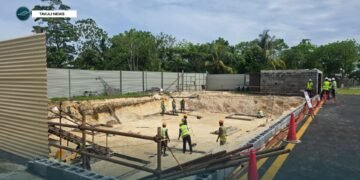
Each organisation will lead community-driven initiatives that strengthen climate resilience, livelihoods and local governance in partnership with communities across Solomon Islands.
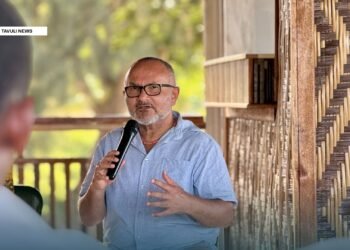
Speaking during the awards presentation, New Zealand High Commissioner, Jonathan Curr said: “A key objective for New Zealand in supporting the Small Grants Initiative is to ensure that climate finance reaches community organisations, alongside capability support they need to plan and deliver practical climate adaptations at the community level”
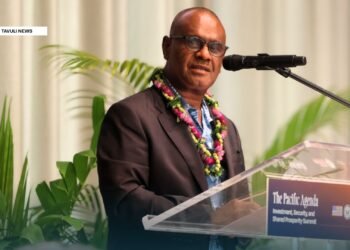
UNDP Pacific Deputy Resident Representative in Solomon Islands, Dr Raluca Eddon stated: “These grants are not delivered in isolation. Alongside financing, we are strengthening community leadership, inclusion and local capacity so that civil society organisations can continue accessing climate finance and delivering resilient development long after this initiative.
Communities are at the heart of resilience, and today marks the beginning of strengthened partnerships to deliver tangible, risk-informed change across Solomon Islands.”
Building capability for long-term impact Ahead of implementation, SGI grantees participated in a two‑day onboarding and capacity‑building workshop, strengthening skills in risk‑informed project design, gender equality and social inclusion, financial management, climate adaptation, and reporting. This ensures projects are not only funded but also backed by the tools and systems needed to deliver lasting, measurable outcomes.
Gov4Res will continue supporting grantees throughout implementation, ensuring alignment with national systems and contributing to long-term resilient development across Solomon Islands.
The SGI Phase 2 is being implemented across Fiji, Solomon Islands, Tonga, Tuvalu and Vanuatu, strengthening partnerships between governments, civil society and development agencies to deliver Pacific-led solutions for resilient development.
The Gov4Res project is delivered with support from the Australian Government, the Korea International Cooperation Agency, the New Zealand’s Ministry of Foreign Affairs and Trade, the Swedish International Development Cooperation Agency, and the United Kingdom Foreign, Commonwealth & Development Office.
Source: New Zealand High Commission Press