







Australia sends support as Cyclone Maila devastates western Solomon Islands, highlighting climate resilience efforts
The thoughts and prayers of the whole team at the Australian High Commission go out today to the people in western Solomon Islands who have endured a punishing and cruel week as Severe Tropical Cyclone Maila has wreaked havoc.
The impact to Choiseul, Western and Isabel provinces has been particularly devastating at a time when communities should have been celebrating the good news of Easter.
In this column, I have written previously about the work done under the Solomon Islands-Australia Partnership to help prepare communities, provincial governments and national authorities for the impact of natural disasters. Sadly, the science is clear: the frequency and intensity of bad weather events is only growing and our region will endure the impact.
I want to take this opportunity to thank the hard working and highly professional staff at the Ministry of Environment, Climate Change, Disaster Management and Meteorology, the National Disaster Management Office and the Solomon Islands Meteorological Service for their unceasing work on Cyclone Maila. Their public communications work has saved lives.
I also want to thank and acknowledge the staff of the three affected provinces – and our thoughts are with them as they begin the difficult task of restoring power, clearing paths, and fixing water supplies.
Solomon Islands and Australian teams have been engaging since the onset of TC Maila, sharing information and assessments, and getting behind locally led response efforts. Australia is Solomon Islands long-standing humanitarian and disaster relief partner and will always be there for Solomon Islands when disaster strikes.
TC Maila is a timely reminder of the value of the Solomon Islands-Australia Partnership to bolster communities, emergency authorities and infrastructure.
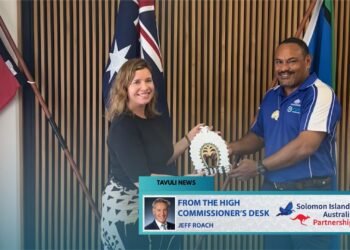
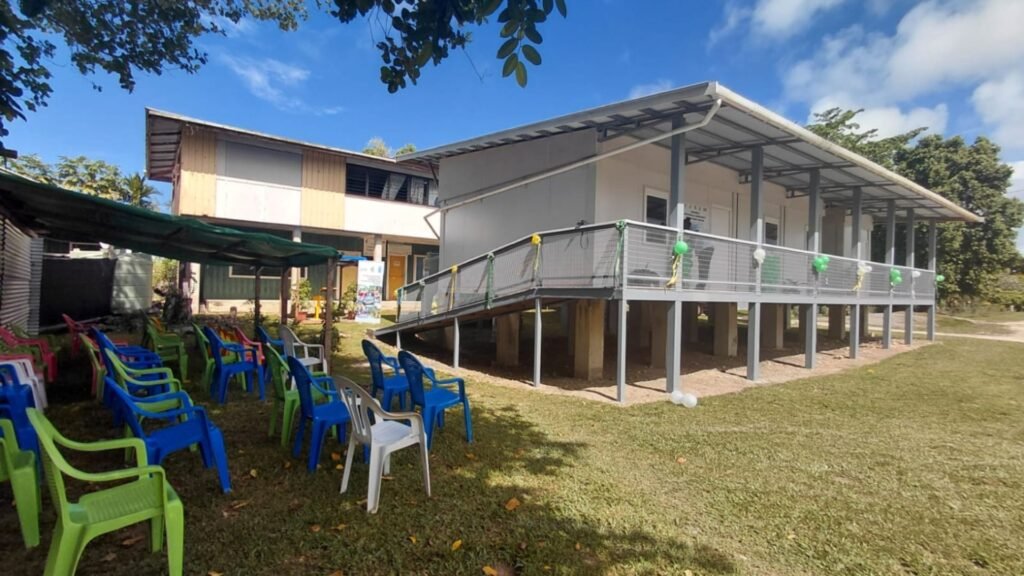
Australia is making long-term investments to build Solomon Islands’ own disaster response mechanisms. In February, we celebrated the handover of the Provincial Emergency Operations Centre in Taro, Choiseul, and I was honoured to mark this occasion with Government and Provincial Ministers and our delivery partner, UNDP.
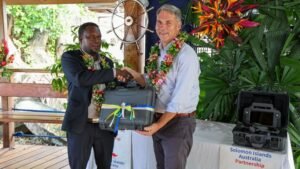
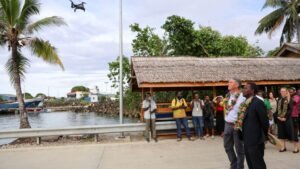
Also in February, Australia’s Deputy Prime Minister handed over four parrot drones to the National Disaster Management Office to support real-time damage assessments and national emergency response.
In 2024, Australia supported the refurbishment – with an emphasis on communications upgrades – of the Honiara-based National Emergency Operations Centre, which has been working around the clock this week on TC Maila.
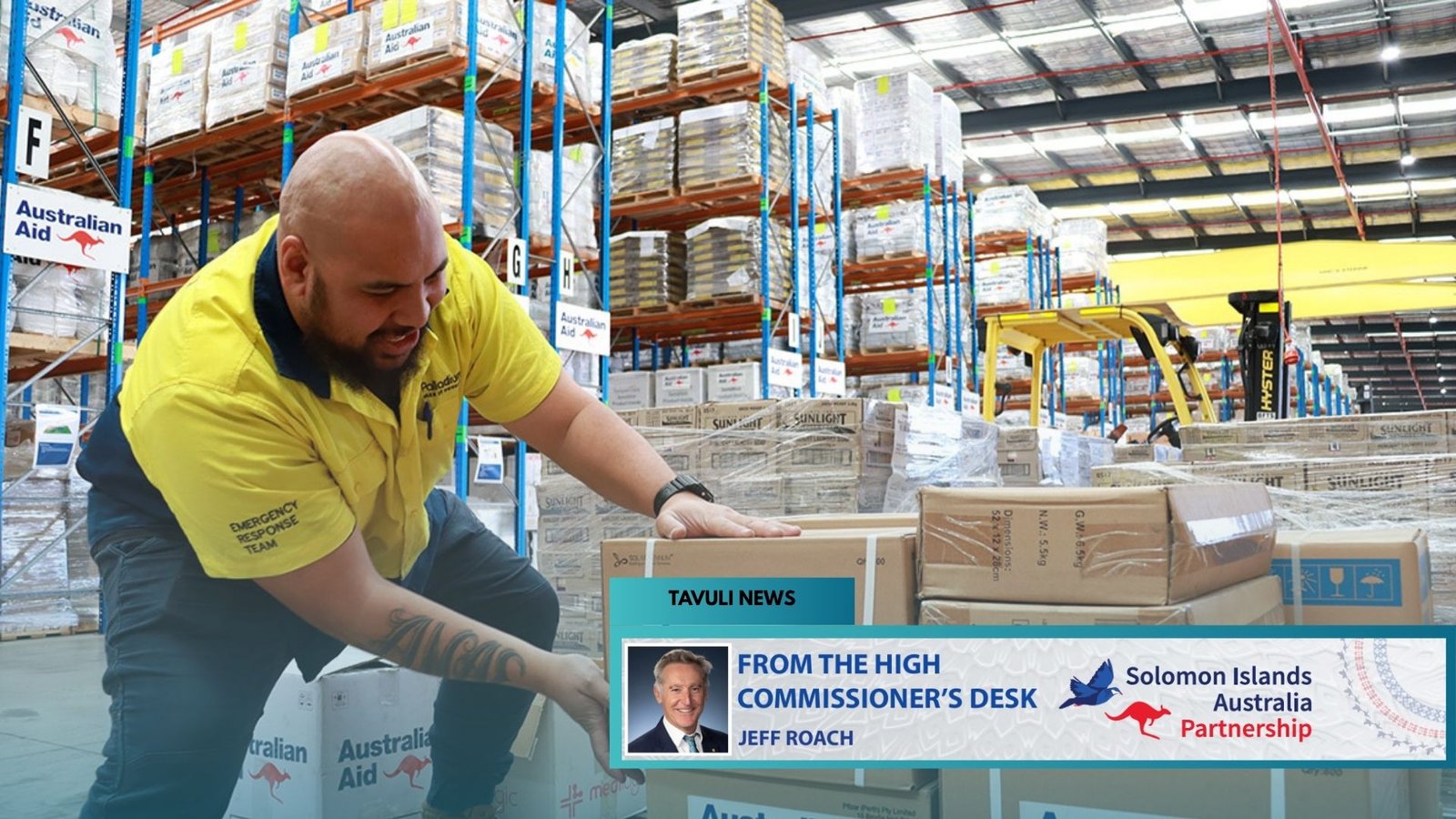
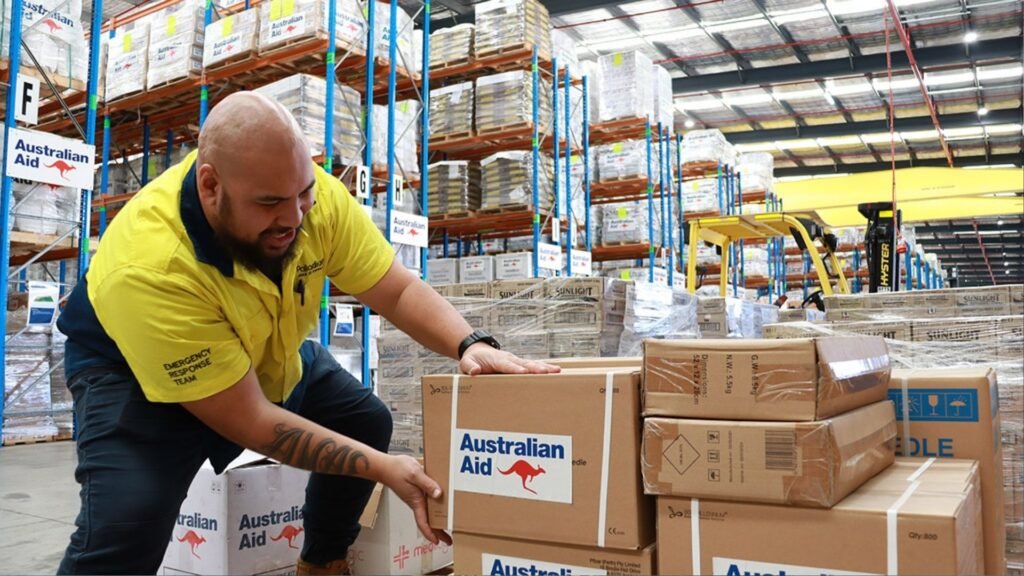
Australia’s support is going deeper still, with two planned humanitarian warehouses being built in Auki (with the Pacific Community) and Honiara. These warehouses will store practical, emergency supplies that communities need in the aftermath of a humanitarian response, such as shelter and hygiene kits. We are on track for the first of these warehouses to be completed by the end of 2027. As we always do, Australia is striving to deliver robust infrastructure to high quality, in a way that creates local jobs, and responds to the needs of local communities.
Events like TC Maila underscore why both Solomon Islands and Australia have identified climate change as a threat in our respective national security strategies, given the impact of severe weather events on the livelihoods, security and wellbeing of the region.
It’s also why both countries are working together this year to support a series of high- level events before COP31 to ensure that Pacific priorities are elevated to front and centre in global climate negotiations.
God Bless Solomon Islands!