






































MID and ESCAP host workshop to boost Solomon Islands transport connectivity, resilience, and inclusive mobility



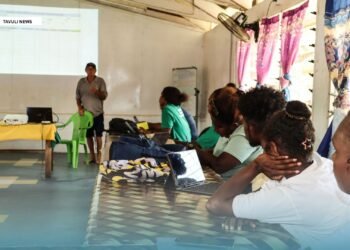
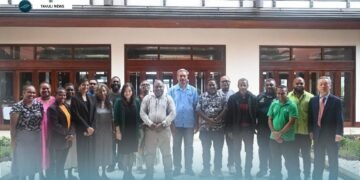
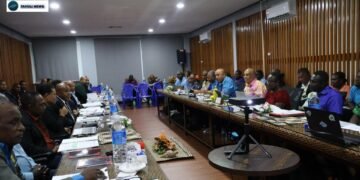
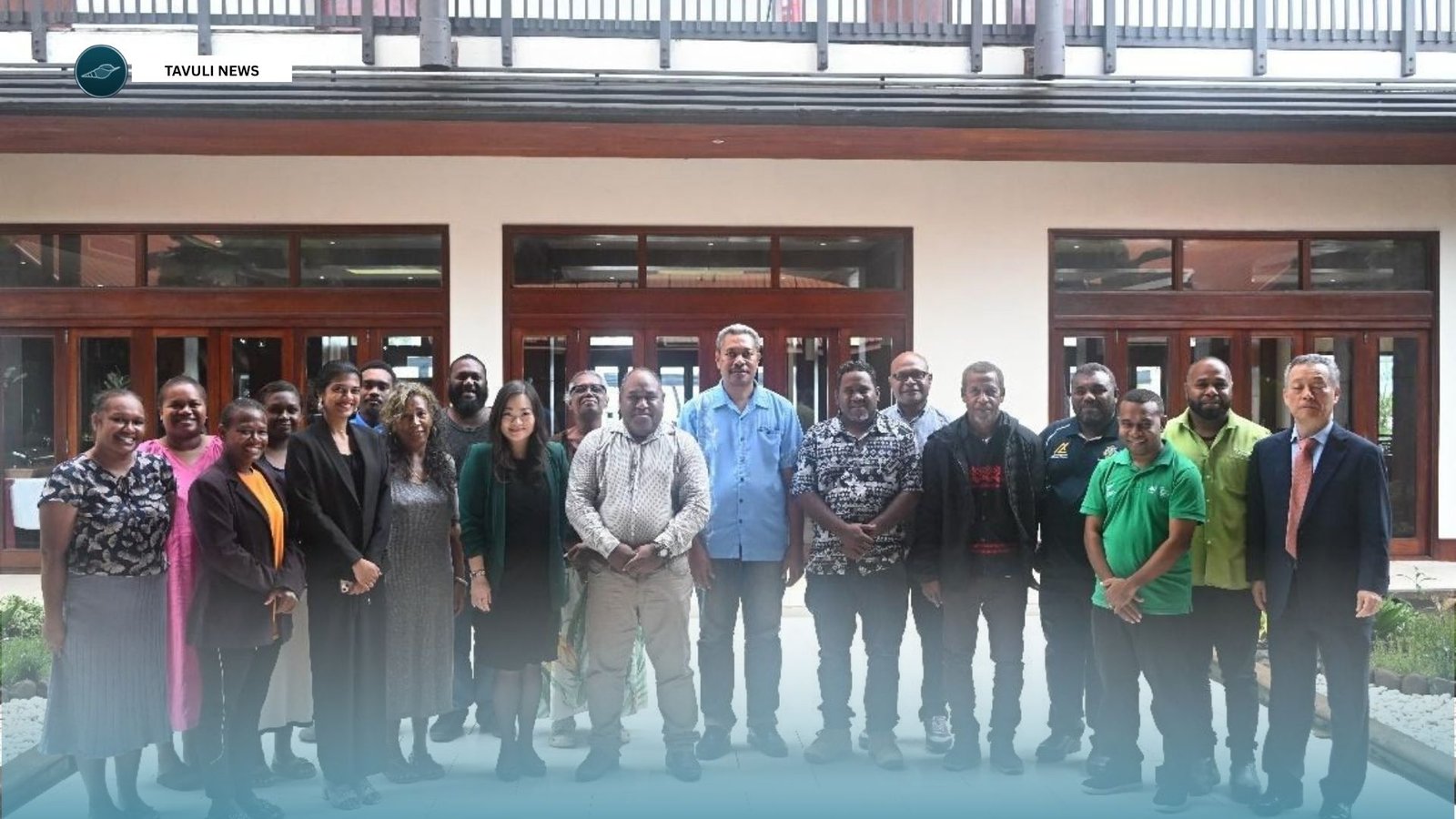
The Solomon Islands Ministry of Infrastructure Development (MID), in collaboration with the United Nations Economic and Social Commission for Asia and the Pacific (ESCAP), recently convened a three-day national workshop on 27–29 January 2026 to strengthen transport connectivity, resilience, and inclusivity.
Hosted at the Kitano Mendana Hotel, this programme aims to develop a comprehensive roadmap for sustainable transport systems that support economic growth, social inclusion, and climate resilience.
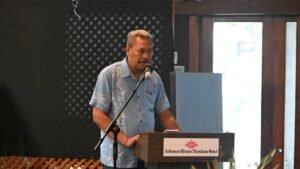
MID’s Deputy Secretary of Corporate Services, Andrew Houlia, in opening remarks, highlighted the country’s unique challenges, including climate risks, urban congestion, and capacity constraints, while reaffirming the government’s commitment to improving transport safety, maintenance, and institutional capacity to ensure inclusive and sustainable development.
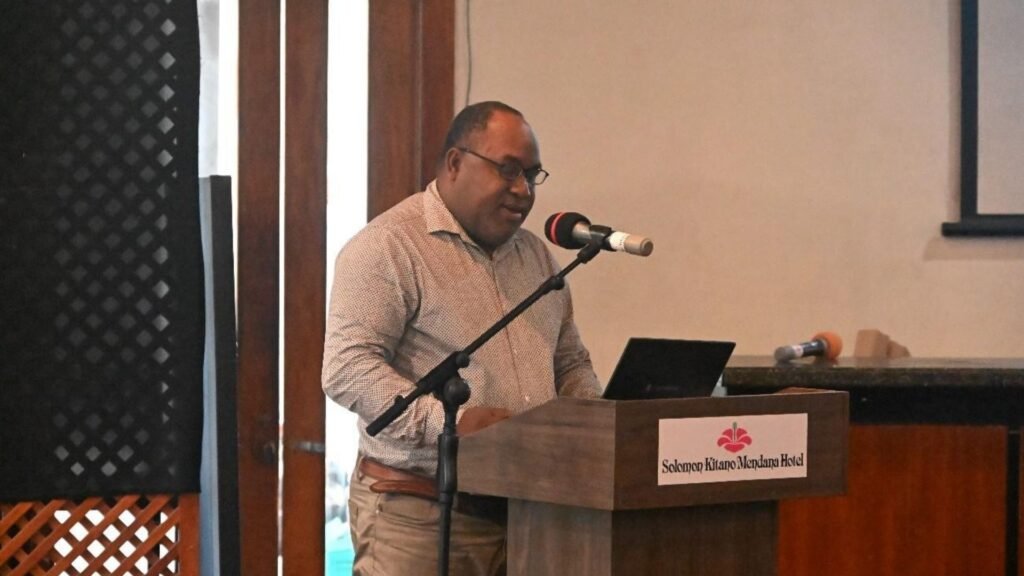
government’s commitment to improving transport safety, maintenance, and institutional
capacity to ensure inclusive and sustainable development.
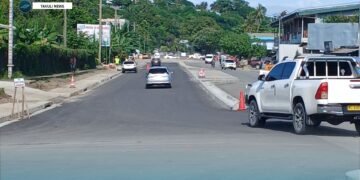
“Persistent gaps in inter-island shipping continue to limit connectivity and economic participation for remote communities, and in Honiara, growing urban congestion calls for better mobility planning and more sustainable urban transport options.
“Constraints in institutional capacity, financing, and land access further slow infrastructure development and investment,” Mr Houlia remarked.
The government reaffirmed its dedication to working closely with ESCAP and partners to bridge technical gaps and ensure that improved transport connectivity benefits all communities, particularly those in remote and vulnerable areas.
This workshop aligns with the broader objectives of the “Moving Towards Efficient, Resilient, Low Carbon and Accessible Port Cities in Asia-Pacific Small Island Developing States (SIDS)” project launched in 2024, which seeks to enhance regional and national policies for maritime and port development and urban transport accessibility, with an emphasis on inclusive transport for all social groups.
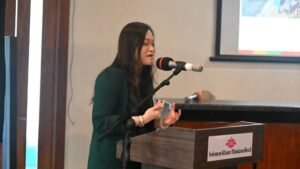
The first two days of the workshop discussions covered urban transport and accessibility, exploring innovative solutions to improve transport accessibility for different social groups, including low-income groups, women, older persons, and persons with disabilities.
On the third and final day, it focuses on maritime transport connectivity. The discussions emphasised the pivotal role of the private sector in modernising the inter-island fleet and explored strategies for a ‘Green Fleet Transition’ to enhance fuel efficiency and reduce operational costs.
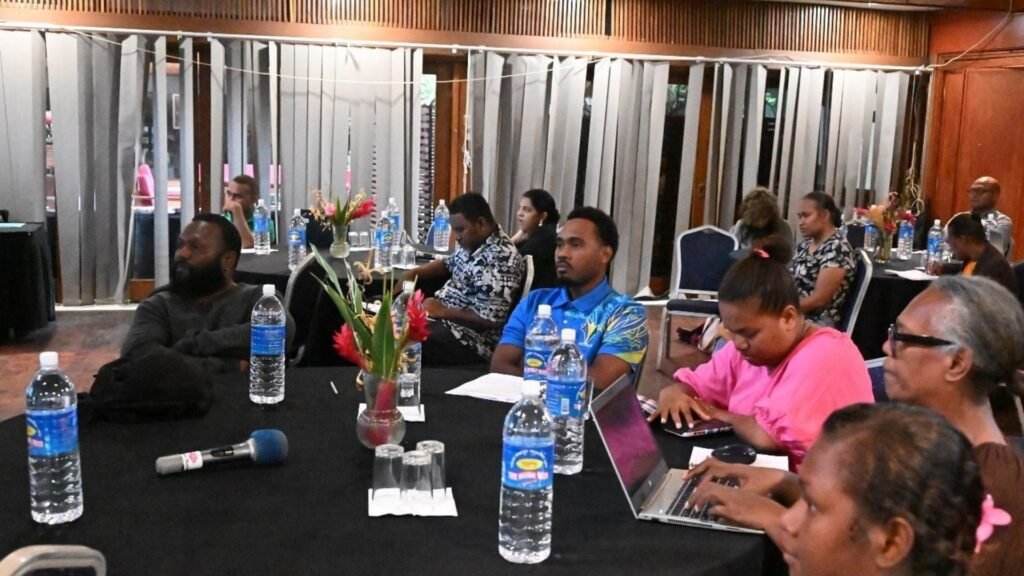
Furthermore, participants identified the promotion of green shipping and digital ports as a critical requirement for maintaining a resilient maritime transport network, in alignment with national decarbonisation strategies.
Participants include key representatives from both government and the private sector, including ESCAP’s local consultants, MID’s Transport Infrastructure Management Services Division, Meteorological Service, National Statistics Office, People With Disability Forum, Maritime Transport Association, Asian Transport Observatory, Maritime Authority, and Ports Authority.
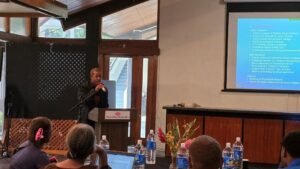
The event features presentations by Safetipin, an international social enterprise group introducing new technologies and indicators to improve safety and mobility in urban areas.
Similar workshops are also conducted for other Pacific Island countries, as it will be used to produce guidelines that incorporate inclusive accessibility indicators, complementing ESCAP’s Sustainable Urban Transport Index (SUTI), to guide future transport policies and investments.
SOURCE: MID PRESS RELEASE