























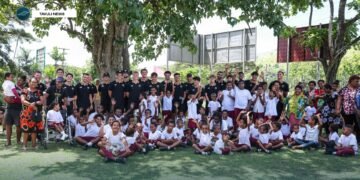


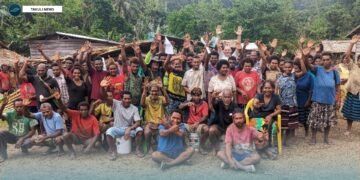









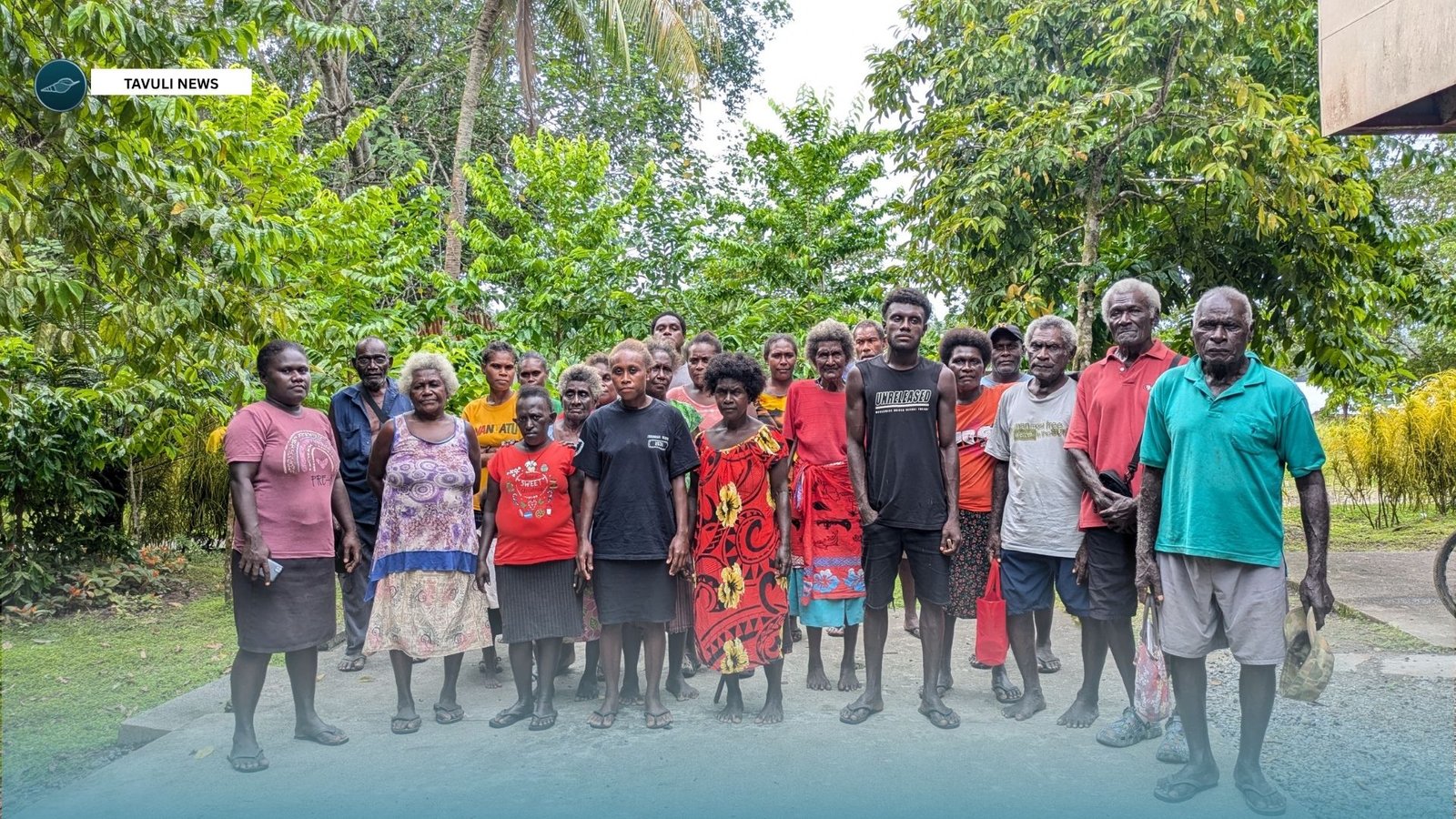
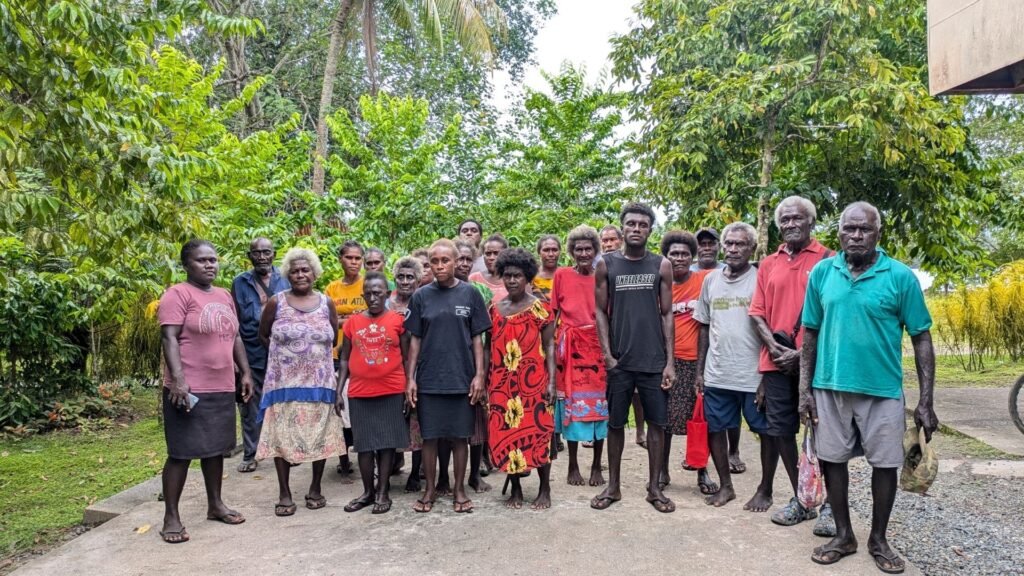
Siporae Tribe enters carbon market after forest project verification, earning income from conservation in Choiseul.
March 2026 marks a milestone for Babatana’s Siporae Tribe, with their forest conservation carbon project officially verified by international carbon standard Plan Vivo.
The tribe now joins Sirebe Tribe as Babatana landowners receiving income for sustainably managing and protecting rainforest areas.
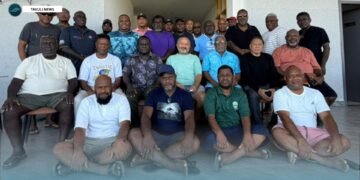
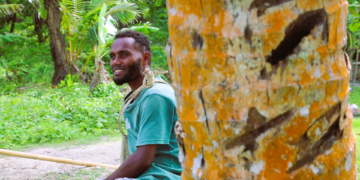
Atkin Vilaka, spokesperson for the Siporae Tribal Association, says this moment “is an achievement for Siporae, after many years of hard work and patience.”
“My tribe is protecting some of the untouched forests in Choiseul. And by doing that, we contribute to the Kolombangara Corridor, one of the largest [protected areas or intact old growth forests] in the Pacific—that really motivates us. We are grateful also to be contributing to global climate resilience,” he says.
Siporae’s project has been approved to sell credits on the voluntary carbon market by Plan Vivo following international audits in 2025. Swiss-based climate foundation myclimate has purchased the first round of Siporae’s 2026-issued credits, alongside Sirebe’s credits.
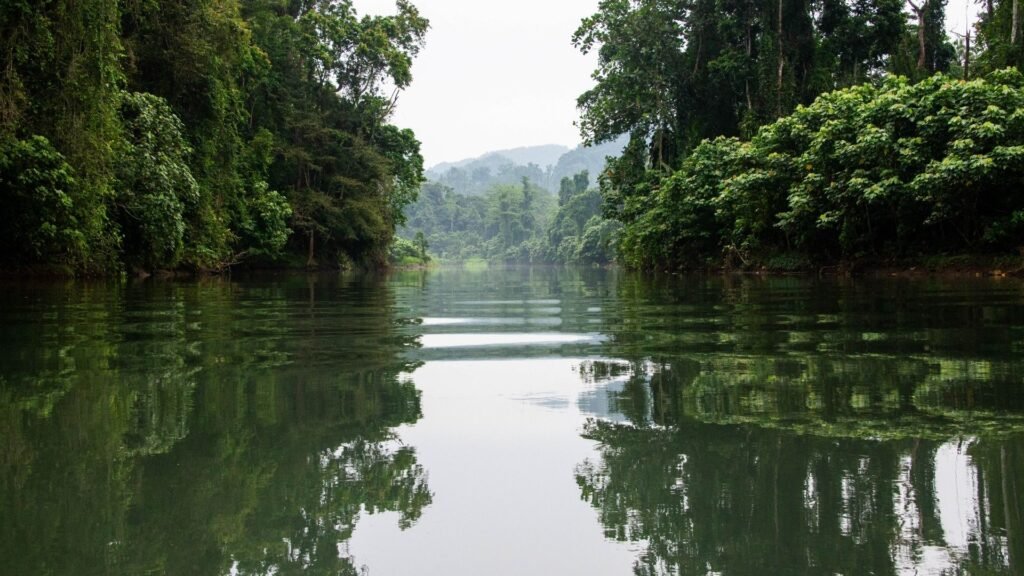
Siporae’s conservation activities
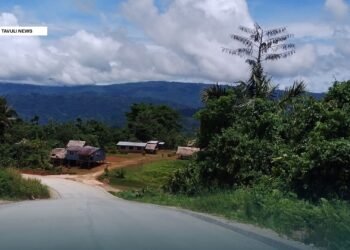
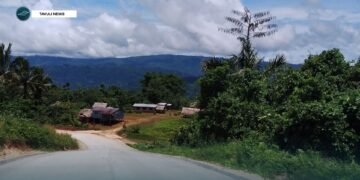
Siporae’s forest, declared a protected area in 2020, covers 666 hectares of intact rainforest. Located to the south-east of Babatana lands, it supports a range of plant and animal species.
The tribe has been supported by the Natural Resources Development Foundation (NRDF) and Nakau. The project forms part of the Babatana Rainforest Conservation Project.
NRDF manager Fred Tabepuda says the organisation has supported the community in protecting customary forests while developing governance systems and livelihood initiatives.
“Despite encountering challenges throughout their conservation journey this milestone achievement is the result of perseverance and commitment for the Siporae Tribe,” he says.
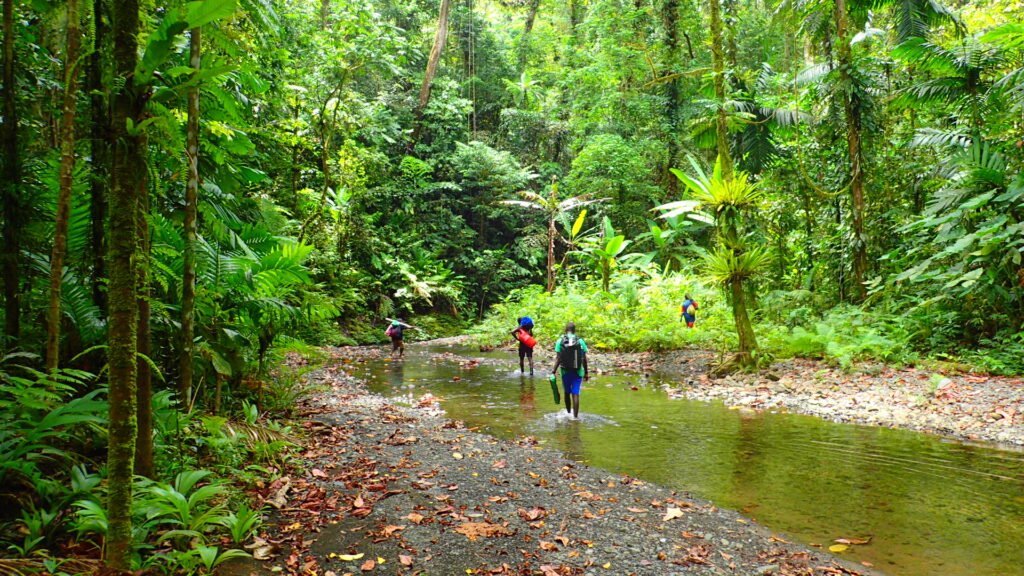
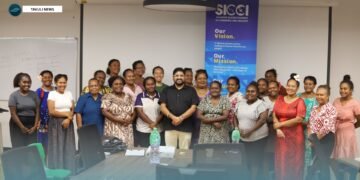
Following the declaration of the forest as a protected area, the tribe established a ranger station and introduced a pig-raising project as an alternative income source. The Siporae Women’s Saving Club has also begun planning small business activities supported by carbon income.
“We want to improve our sanitation. We want [to buy] tools for gardening, as well as sewing machines and dying and printing equipment to make lavalava [sarong skirts to sell],” says group representative Leah Vilaka.
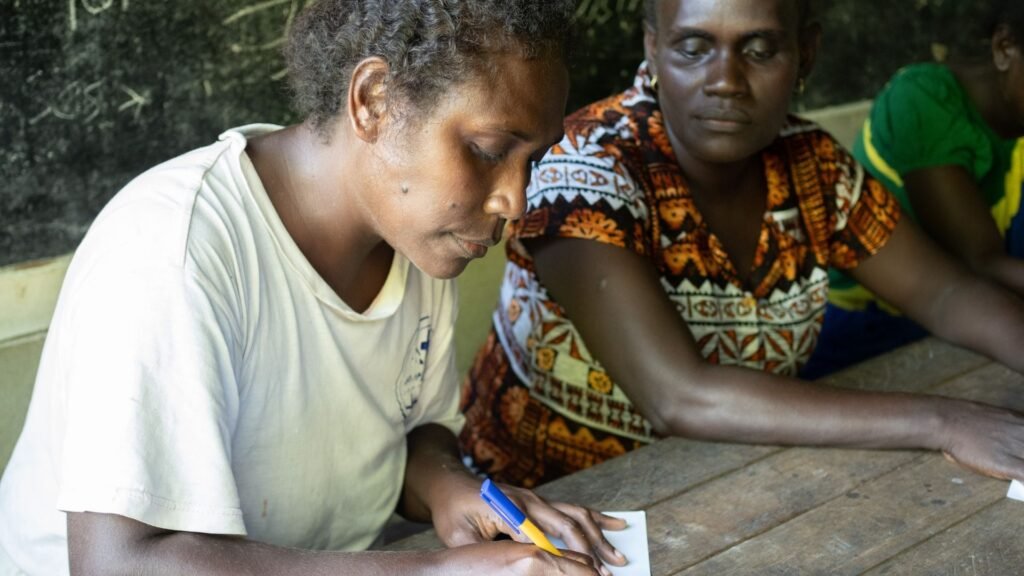
Atkin says the tribe has prepared benefit-sharing plans for implementation.
“When we get our first carbon income, we have plans for three clans. Not forgetting our women and their organised activities. Through supporting the women, all the family will benefit,” he says.
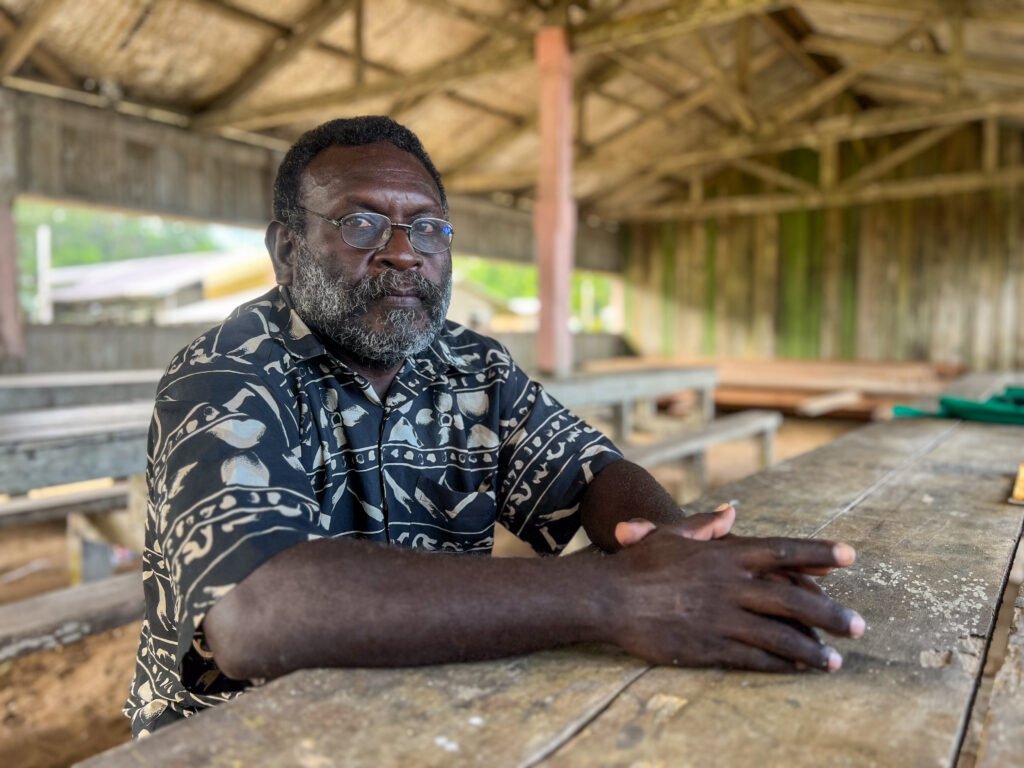
“Plans include things that will be for our social wellbeing. Improving homes, water, education, health [and] income generating activities for each clan, such as expanding the piggery or chickens.”
For more information, please contact Fred Tabepuda at NRDF: nrdf@solomon.com.sb
Source: NRDF Press Release