
















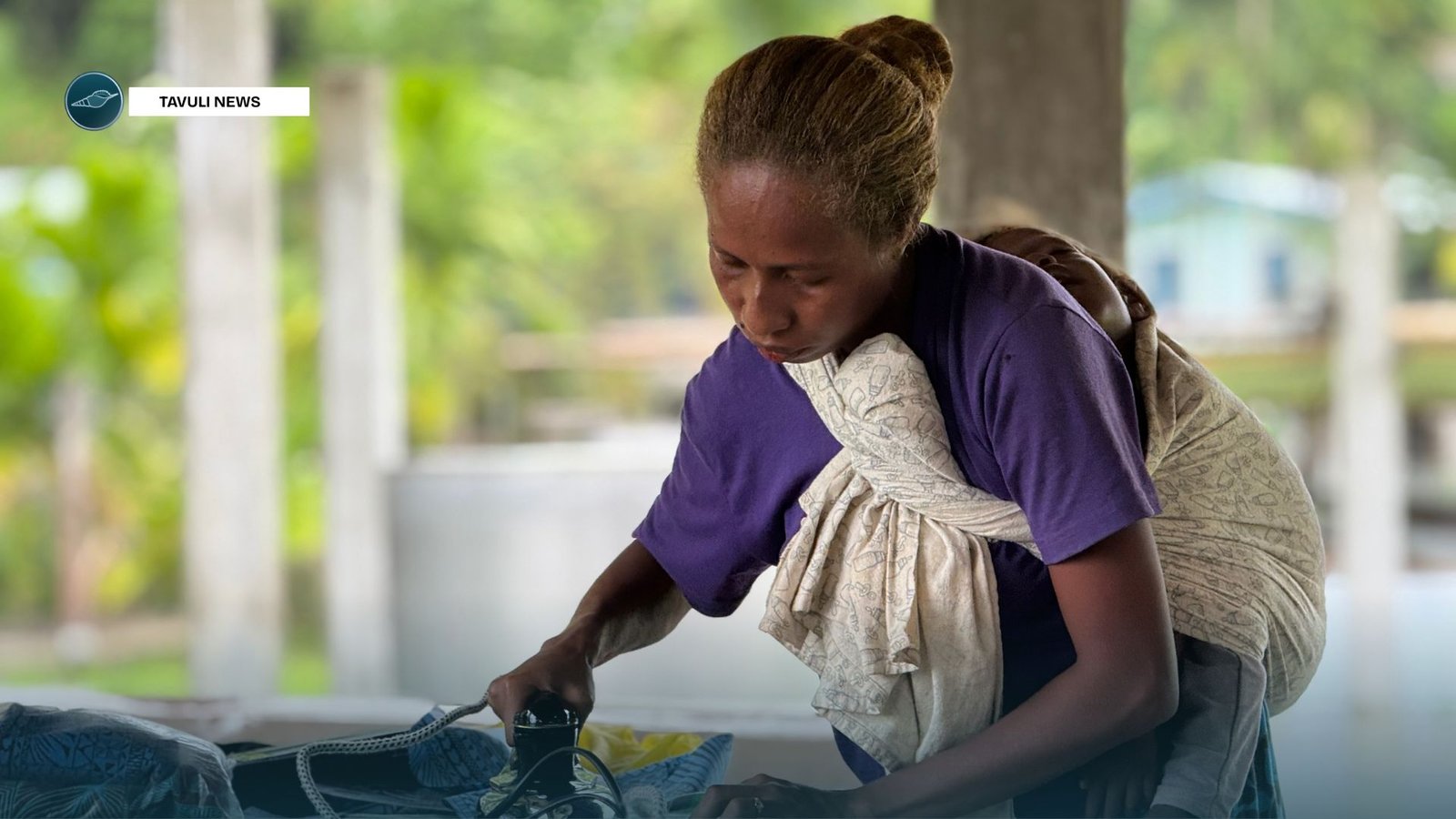
Remote Lepi community gains new skills and income hope through sewing training for mothers and youth
Five hours by boat from Honiara, the Lepi community in Gao/Bugotu, Isabel Province, has long faced limited access to skills training and economic opportunities. For many families, particularly mothers and young people, chances to gain practical life skills have been rare.
That is beginning to change.
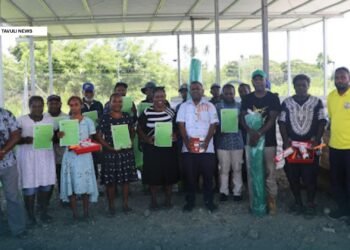
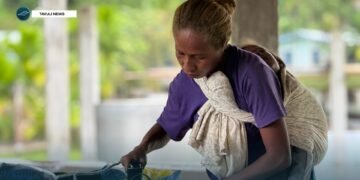
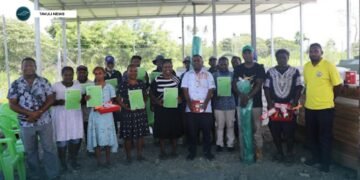
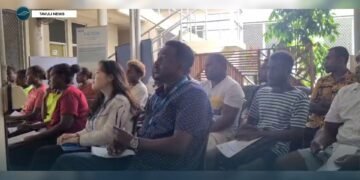
Over the past month, 30 community members took part in a sewing and pattern drafting programme organised by the Japuana Youth Advocacy Association. The group included mothers, youths, and several young men, many of whom had never used a sewing machine before.
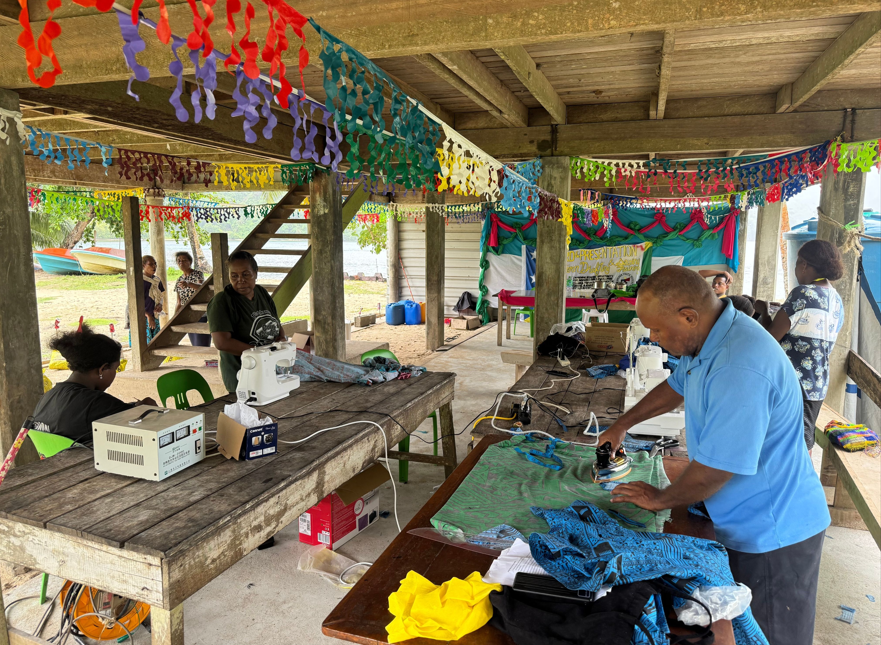
“We were nervous at first on how to handle the electric machines, but very eager to learn,” said participant Hathera Everlyne. “This is something our community really needs, especially for girls and women.”
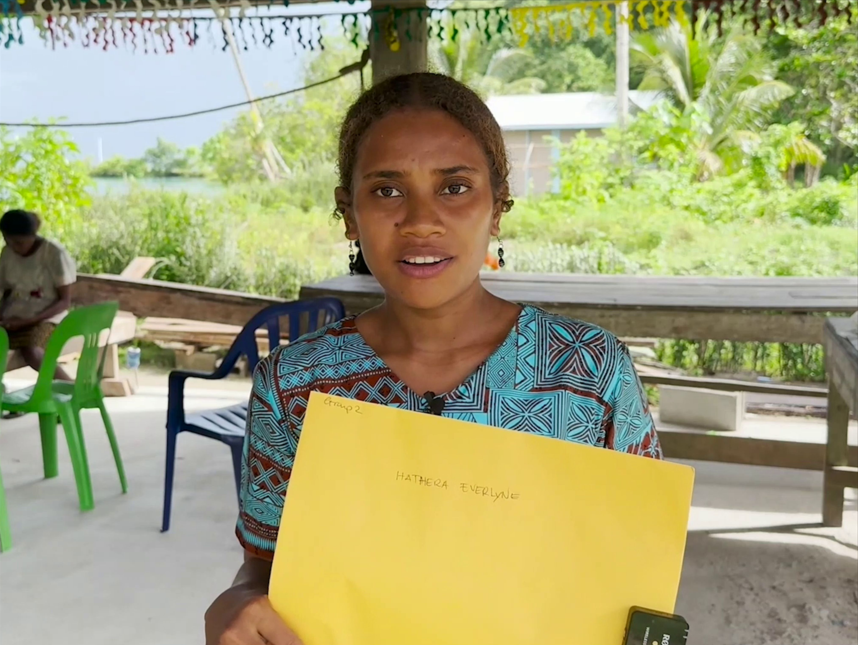
With an estimated population of fewer than 400, Lepi’s sewing programme, supported by the Canada Fund, builds on previous life skills initiatives, including outboard motor maintenance, as part of ongoing efforts to create sustainable opportunities for the community.
Participants dedicated long hours to learning how to measure fabric, draft patterns, and stitch clothing. Some stayed late into the night practising their new skills. By the end of the training, they proudly produced neatly sewn dresses and shirts—items that can be worn at home or sold for income.
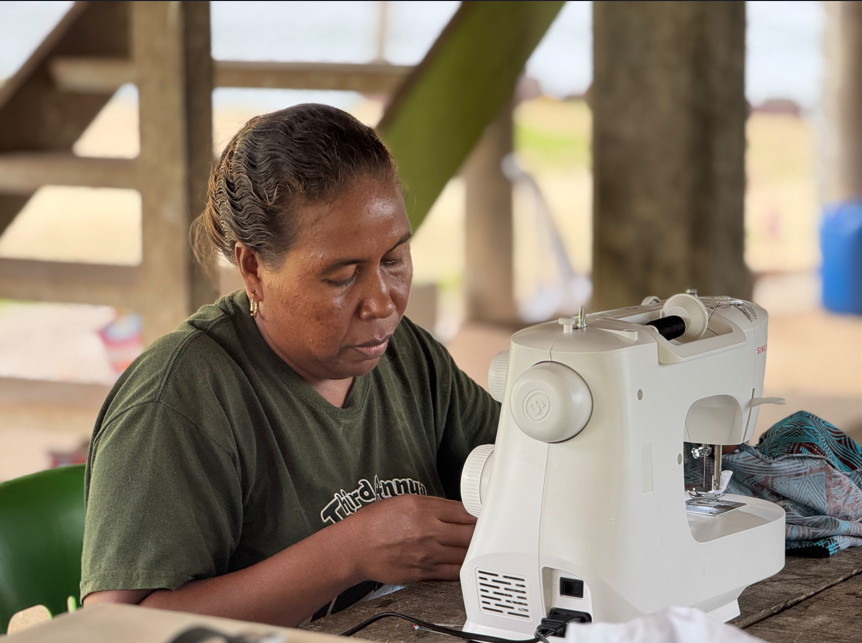
“For us mothers, this is completely new,” said Leni Wendy. “We never imagined we would have a chance to learn something like this.”
The training also offered a fresh start for youths who had left formal schooling, giving them confidence, purpose, and practical skills for the future.
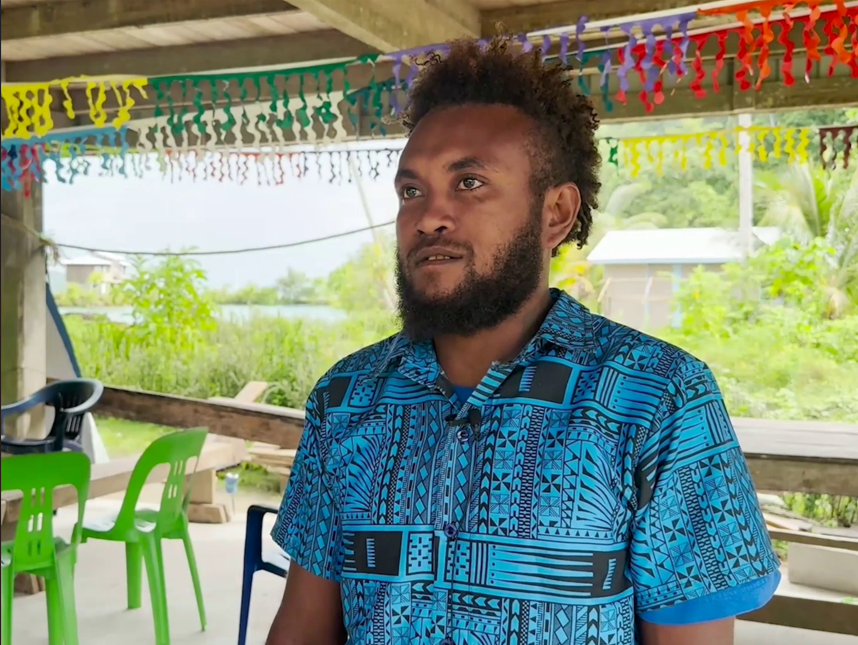
The inclusion of men marked a positive shift in traditional roles. James Pesa, one of the male participants, described the experience as eye-opening.
“This skill will help me in the future, for myself and for my family,” he said.
Community leaders say the programme has brought new energy and hope to Lepi, strengthening relationships and opening doors in a place often seen as remote and underserved.
For the Lepi community, the sewing programme is more than just a course. It is a step toward empowerment, resilience, and a brighter future.