

























Solomon Islands strengthens inclusive education by expanding assistive technology access for children with disabilities.
HONIARA, 9 February 2026 – When thinking of schoolchildren, you would imagine them as being active and fully immersed in their environment. Sadly, this isn’t the case for everyone. In Solomon Islands, about 11% of the population aged 5 years and over reported having some form of disability, according to the Solomon Islands 2019 Census Report. Compounding the issue is the lack of access to assistive technologies (AT) that could aid them on their journey in school and ultimately, in life.
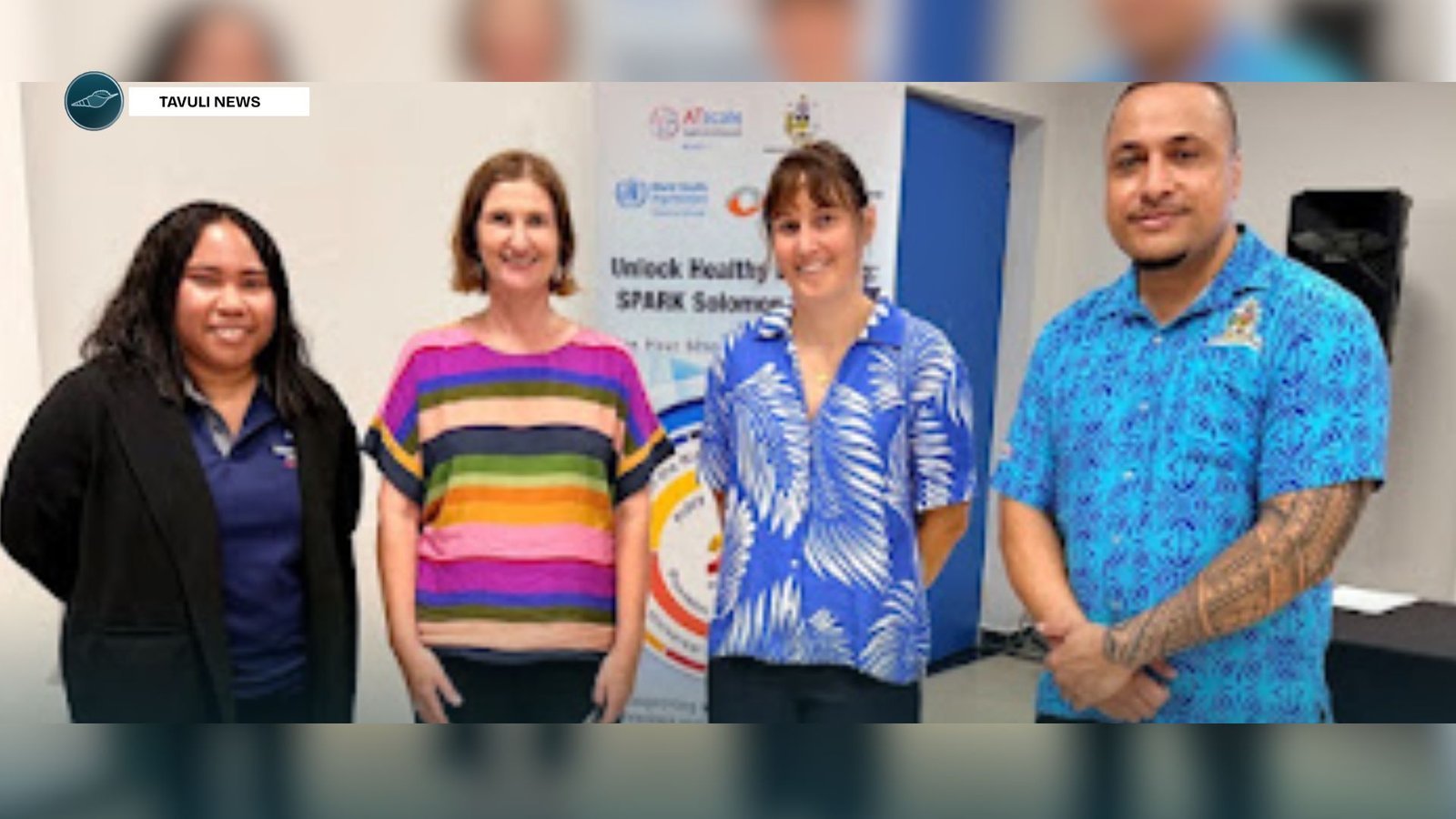
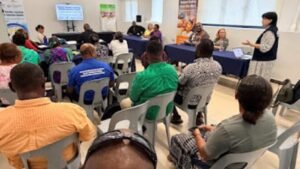
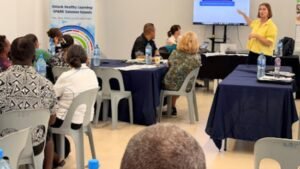
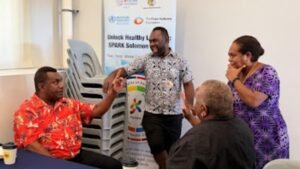
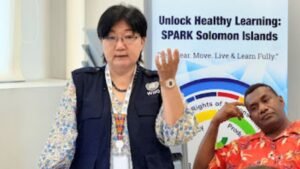
Fully committed to addressing this issue, the Solomon Islands Government, through the Ministry of Health and Medical Services (MHMS), in partnership with Australia’s Department of Foreign Affairs and Trade (DFAT), the World Health Organization (WHO), the ATscale Global Partnership for Assistive Technology, and The Fred Hollows Foundation, launched a two-day workshop titled “Unlock Healthy Learning: Strengthening Pacific Assistive Technology Rehabilitation in Kids (SPARK) Solomon Islands”.
Attended by representatives from the Ministry of Education and Human Resources Development and the Ministry of Women, Youth, Children, and Family Affairs, the workshop aims to improve access to assistive technology and related rehabilitation services for school-aged children in the country. It ensures children with disabilities can thrive in school by giving them access to assistive technology, supporting Solomon Islands’ inclusive education efforts, and making schools more accessible and resilient.
Some of the expected programme outputs for the country include:
- 84 health workers trained in vision, hearing and mobility needs;
- 120 teachers trained to support and refer children with assistive products (AP) needs;
- 24,194 children screened with 1452 receiving glasses, 76 children receiving hearing aids, and 250 children being supported with mobility AP;
- 120,969 community members reached with health promotion messages; and
- 5 organizations strengthened by programmes which ATscale contributes to.
Enabler of health, well-being, inclusion, and participation
Assistive Technology (AT) is an umbrella term for assistive products, related systems, and services. Assistive products help maintain or improve an individual’s ability to see, hear, think, communicate, and move, thereby supporting their health, well-being, inclusion, and participation. Improving access to assistive technology can help achieve the Sustainable Development Goals and ensure no one is left behind.
AT in Solomon Islands
In Solomon Islands, access to AT remains limited, especially in rural and remote areas. The MHMS, through the National Referral Hospital’s rehabilitation department, is the main provider of assistive devices such as crutches and wheelchairs. Many devices are sourced through donations, with limited systems in place for maintenance, repair, or follow-up. There is also a shortage of trained professionals such as physiotherapists, occupational therapists, and prosthetists.
A smart investment in inclusive growth and regional prosperity
The MHMS Deputy Secretary for Health Care Dr Gregory Jilini said: “Solomon Islands acknowledges that assistive technology and rehabilitation services are not optional services but are essential investments. They are vital for children’s health, learning, and participation, enabling children with vision, hearing, and mobility impairments to thrive and grow in schools and within their communities.” He added that: “The proportion of people needing assistive technology increases with age and level of functional difficulty. Women and men report about the same needs for assistive technology. Spectacles, basic mobility equipment, hearing aids, and basic self-care technology are the most needed and used products.”
Senior Health Advisor for the Australian High Commission Ms Zina Fefera said: “The Pacific remains among the least resourced regions globally for assistive technologies. Yet assistive technology is a core enabler of education and employment. Evidence has shown that for every $8 invested in assistive technology, it yields around $73 in economic returns. Globally, full participation of people with disabilities could boost GDP by an estimated 7%, which unlocks access to markets. So, investing in assistive technology is not only a matter of rights, it’s a smart investment in inclusive growth and regional prosperity.”
Speaking on behalf of the WHO Representative in Solomon Islands Dr Howard Sobel, Ms Pauline Kleinitz said: “Assistive technology and the rehabilitation, vision, and hearing services that deliver it, is not a luxury, it is essential and in a country made up of many islands and diverse communities, access to these services can be the difference between isolation and inclusion, between being left behind and being able to participate, contribute, and thrive.” She added: “WHO is committed to supporting Solomon Islands to develop resilient and inclusive health systems. This partnership extends beyond the launch of the programme as we are committed to journeying with you into the future. I thank the Government of the Solomon Islands for its leadership.”
Partnerships are important
“This workshop, especially the project, will help me a lot in addressing issues on children with special needs. This will complement my work and help in terms of child protection, and child development in schools. It will help our children to participate more effectively in their studies,” said Mr Alphonse Botu from the Ministry of Women, Youth, Children, and Family Affairs. He also acknowledged the importance of partnerships in addressing issues. “There are some aspects of our work that we cannot afford, and when the donor partners come in to help us, it’s really important. Partnerships must be a key priority for the national government; we need help and assistance from our donor partners, especially on the children’s development side.”
SOURCE: WHO Media Release