
























































Honiara advances safer, reliable public transport through MID, HCC, and JICA reforms and new bus driver standards.
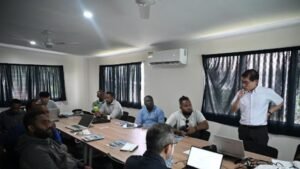
Efforts to improve public transport in Honiara are continuing. The Ministry of Infrastructure Development (MID) and Honiara City Council (HCC), together with the Advisor for Capacity Improvement of Urban Transport Management in Honiara—a Japan International Cooperation Agency (JICA)-led project—are working in collaboration with relevant stakeholders to develop a more user-friendly, safe, and sustainable public transport system.
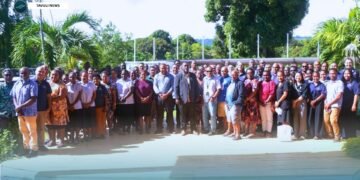
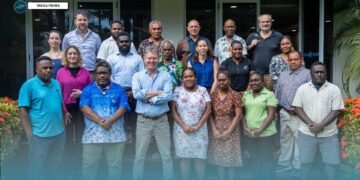
Through ongoing consultations and interviews with government agencies and bus operators, discussions on potential institutional reforms have been progressing. At the 9th Stakeholder Meeting held on 26 March 2026, the direction of the public transport action plan was shared, and concrete measures for future implementation were discussed.
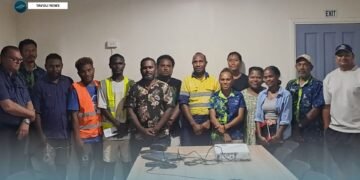
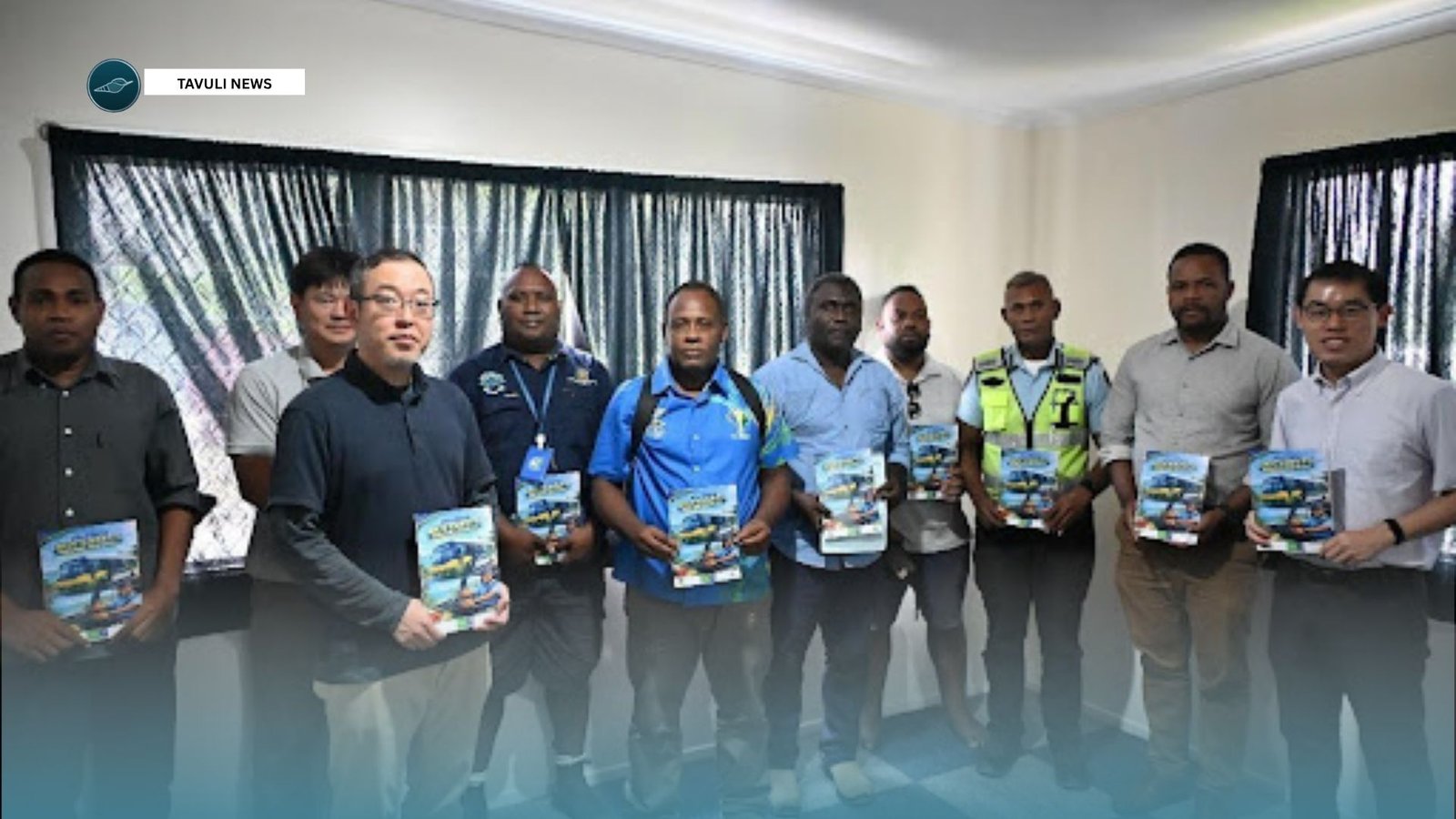
Among these efforts, the team produced a draft driver manual for bus operators. The manual outlines standard practices expected in daily operations, including safe driving principles, appropriate passenger handling, and compliance with operational rules. It is expected to be the basis for making both safety and service better.
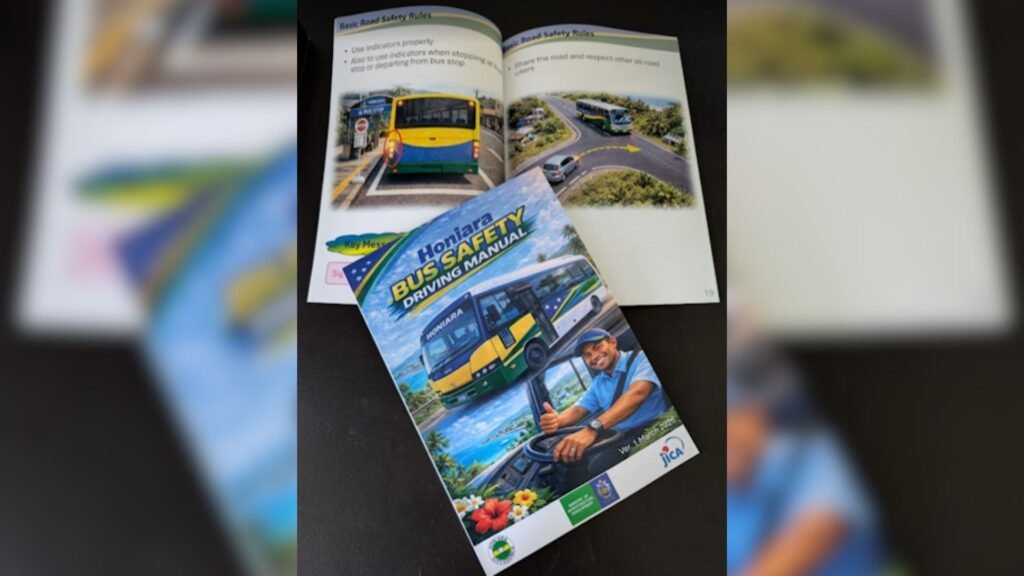
In Honiara, bus operations have often relied on individual driver decisions, which has contributed to inconsistencies in service and, in some cases, traffic congestion and short routes. The development of this manual marks a key step toward more standardised and reliable public transport services.
In parallel, further considerations are being made on institutional aspects, such as the introduction of route-based operational management, clarification of roles among relevant agencies, and the establishment of monitoring systems for bus operations. These efforts aim to build a sustainable public transport system through cooperation between the government and private operators.
MID’s deputy secretary for technical affairs, Mike Qaqara, said the government will continue working with the JICA team over this year and into next year when the project lapses.
“Although reforming systems takes time, this project will continue working collaboratively toward a public transport system that citizens can use with confidence,” he emphasised.
With over 20 years of experience in urban transport projects in various countries, the advisor team is well-equipped to bring a global perspective to their work and project output.
SOURCE: MID PRESS RELEASE