



































Solomon Islands women in politics face cultural and financial barriers but continue pushing for stronger representation
For many women in the Solomon Islands, stepping into politics is not just a career choice, but a personal battle against financial strain, cultural resistance, and deep-rooted expectations. Yet for those who move forward, the journey is shaped by courage, resilience, and an unwavering determination to serve their communities.
Despite years of advocacy for gender equality, women’s participation in national elections remains low. Historically, female candidates have made up only about five to eight percent of those contesting general elections. In the 2019 National General Election, women accounted for roughly eight percent of candidates. However, this figure slightly declined in the 2024 elections, highlighting the ongoing challenges women continue to face in the political arena.
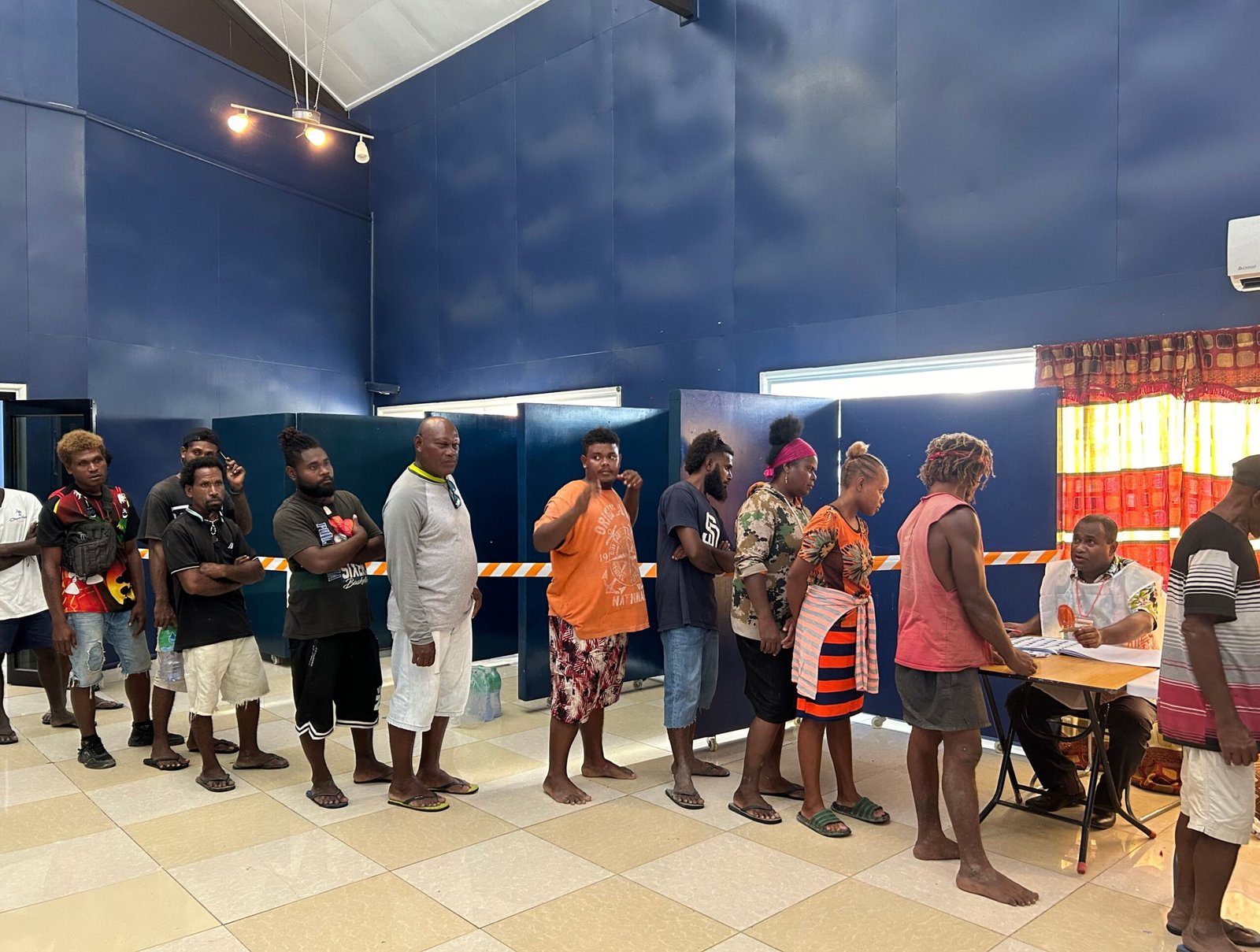
For most women, the political path is far from easy. Campaigning requires significant financial resources, strong community backing, and emotional strength. Social expectations and traditional beliefs often place extra pressure on women, making it harder for them to compete equally with men.
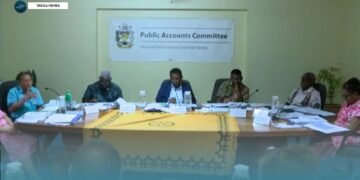
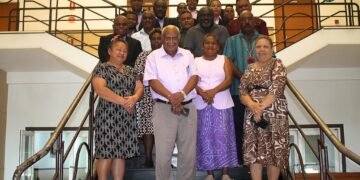
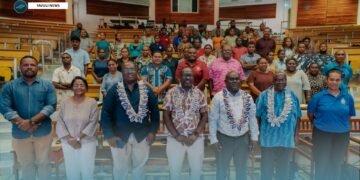
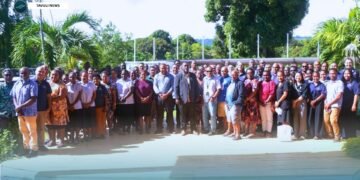
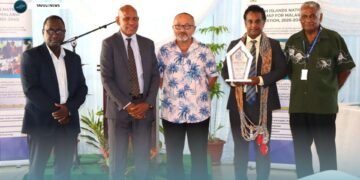
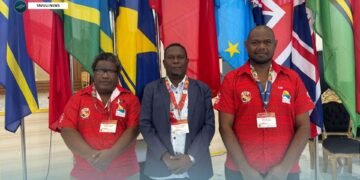
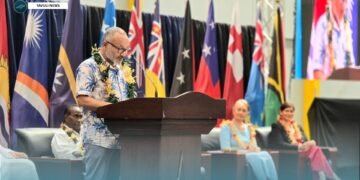
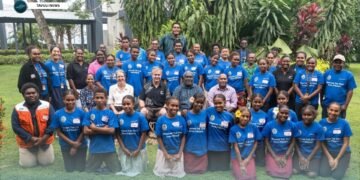
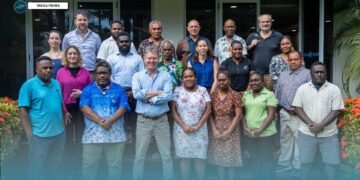
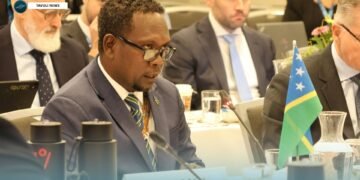
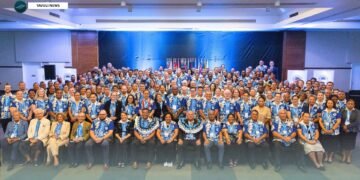
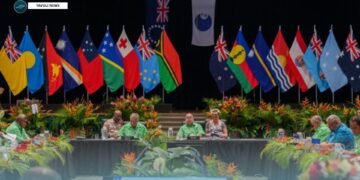
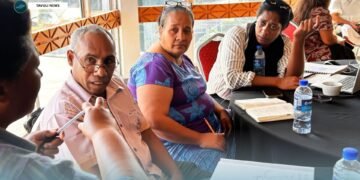
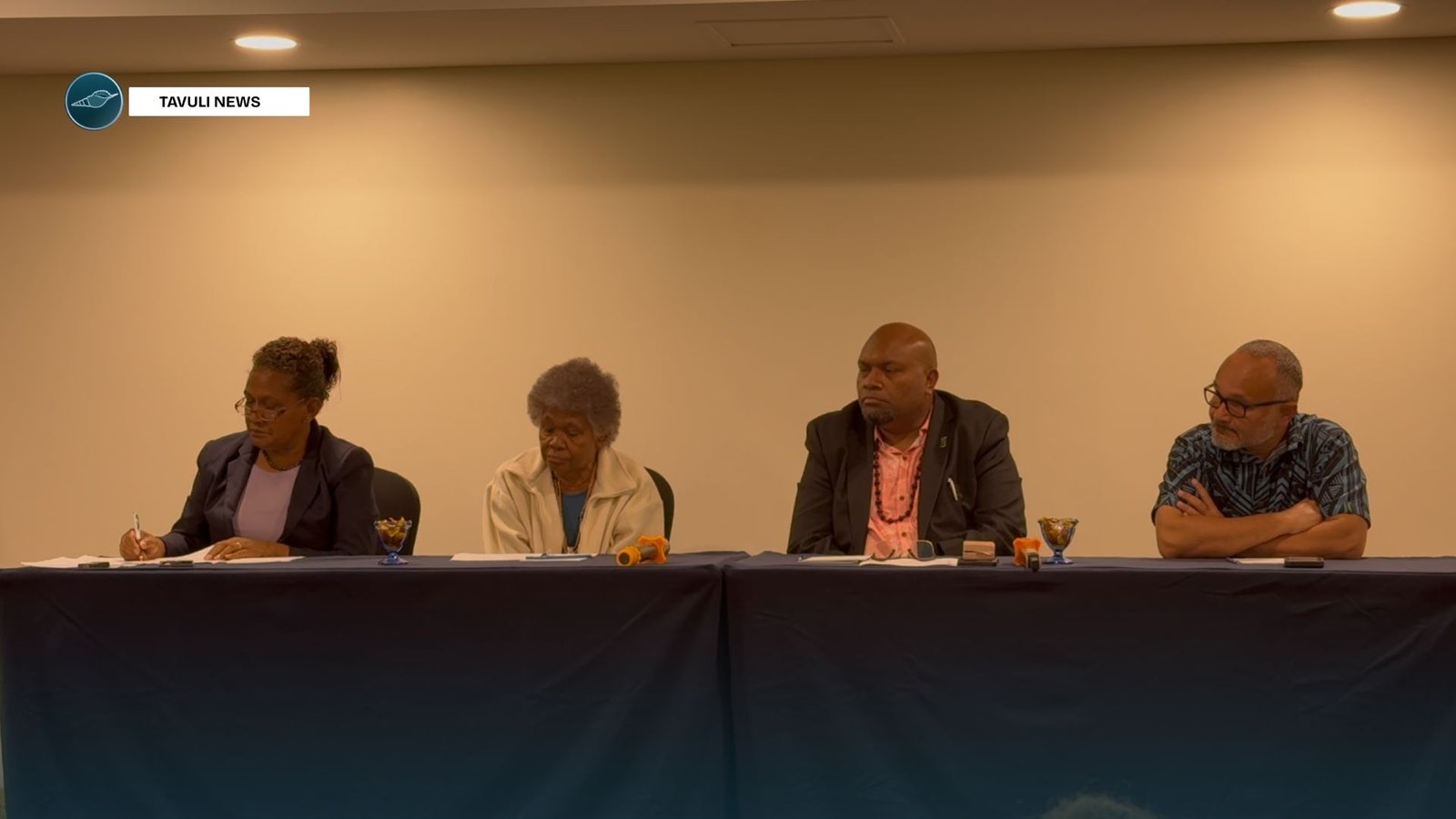
These realities were once again highlighted during the Women’s Political Participation Forum held at the Heritage Park Hotel on Wednesday. Organized under the theme “Addressing Financial and Cultural Barriers that Limit Women’s Political Participation in Solomon Islands,” the forum provided a space for women leaders and stakeholders to openly share experiences and explore ways forward.
Among those who spoke was Dr. Alice Aruheeta Pollard, a two-time parliamentary candidate, who described her political journey as a powerful test of faith and perseverance.
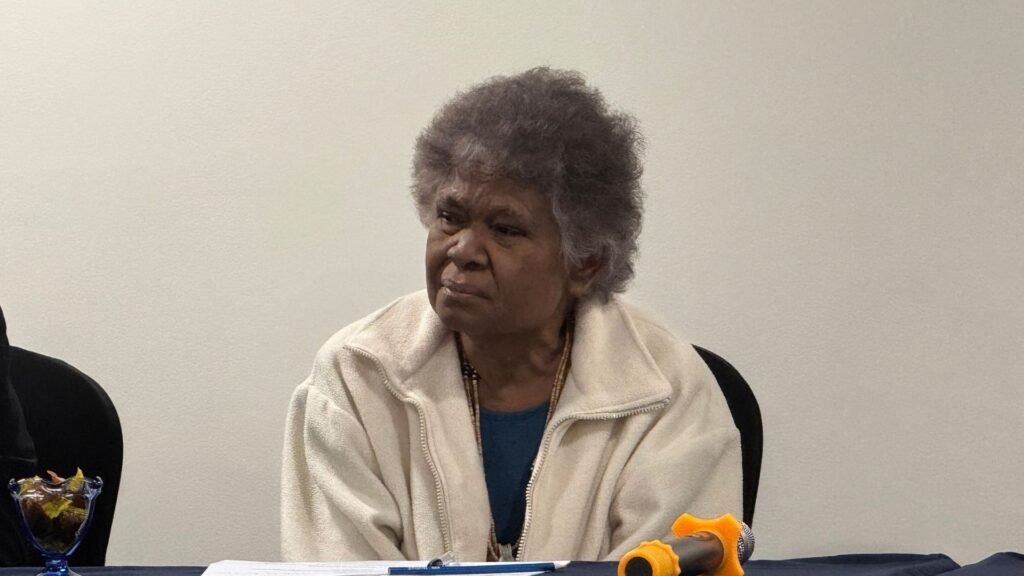
“Politics is not easy for women, but it is important that we keep moving forward,” she told participants. “Even when setbacks come, we must lift each other up and continue pushing if we truly want to create change.”
Although she did not secure a seat in Parliament, Dr. Pollard sees her experience as a valuable learning process. Today, she dedicates much of her time to mentoring and supporting women who aspire to enter politics, convinced that stronger female representation is essential for inclusive decision-making and national development.
Throughout the forum, advocates echoed the need for stronger support systems, calling for financial assistance, leadership training, and greater public awareness to create a more enabling environment for women in politics.
While progress has been slow, the determination of women like Dr. Pollard continues to inspire hope that future elections may see stronger female participation.
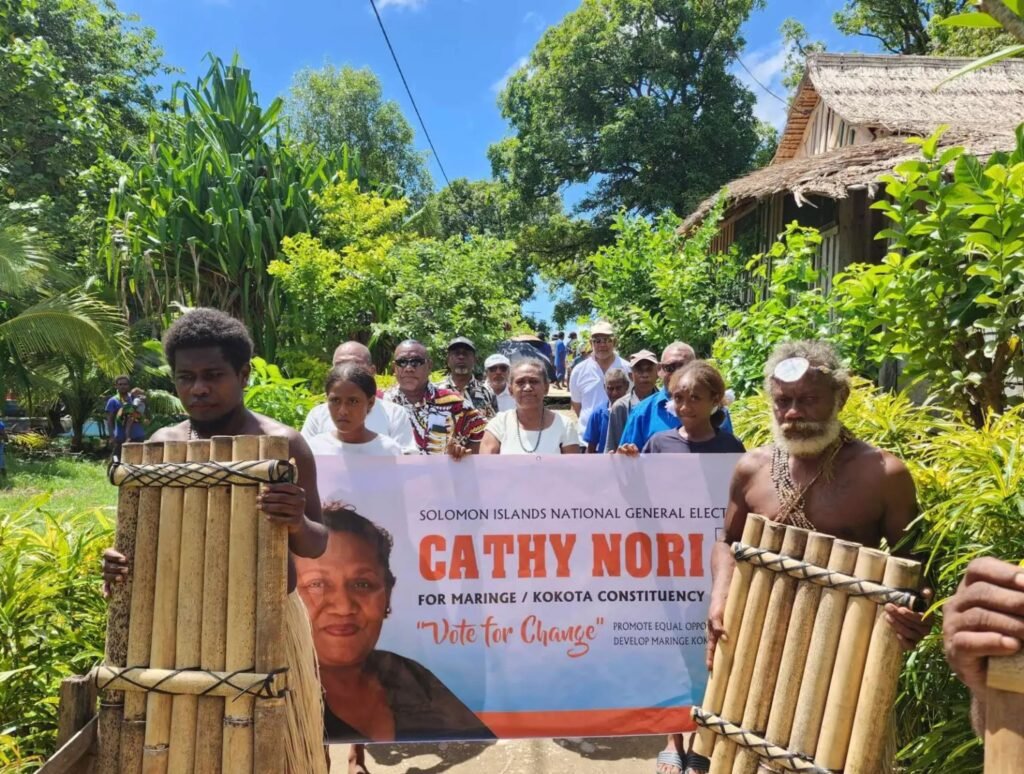
That hope is reflected in the journey of the current Minister for Women, Youth, Children and Family Affairs and Member of Parliament for Maringe/Kokota Constituency, Cathy Launa Nori. In 2024, she was elected as one of only three women representatives in the 12th Parliament of Solomon Islands. She later went on to serve as Deputy Chair of the Government Caucus before being appointed Deputy Speaker of Parliament in 2025.
Looking back on her path into politics, Minister Nori openly acknowledged the sacrifices involved.
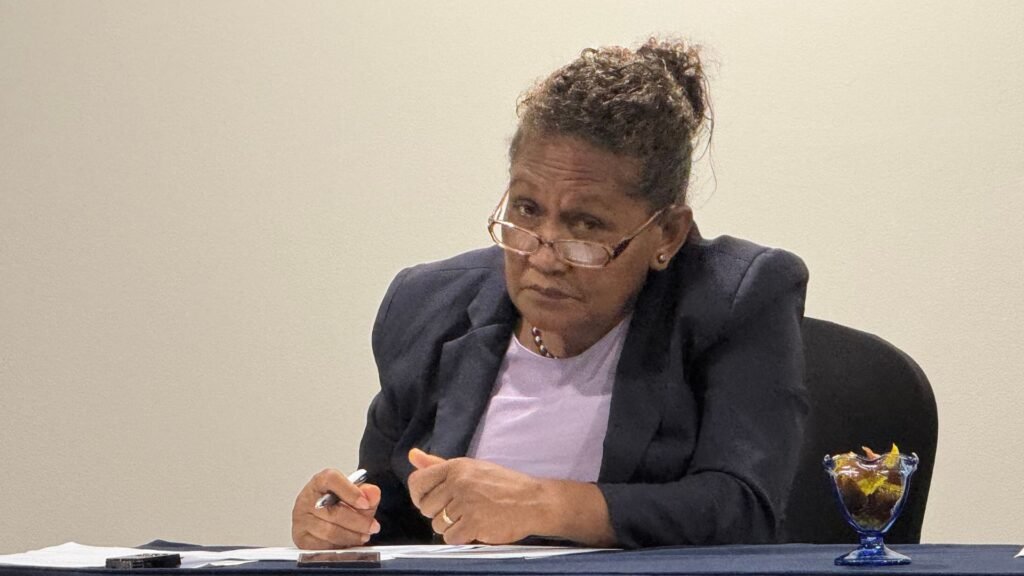
“Entering politics is expensive, and it demands a deep personal commitment,” she shared. “Without strong courage, you cannot survive the challenges.”
She explained that one of the toughest parts of the journey was managing expectations at every stage, from financial pressures and cultural obligations to the scrutiny that comes with being a woman in leadership.
“I made a decision and had to accept everything that came with it,” she said. “Even when the road felt unclear, I held on to hope.”
Her campaign trail experiences revealed just how personal the attacks could become.
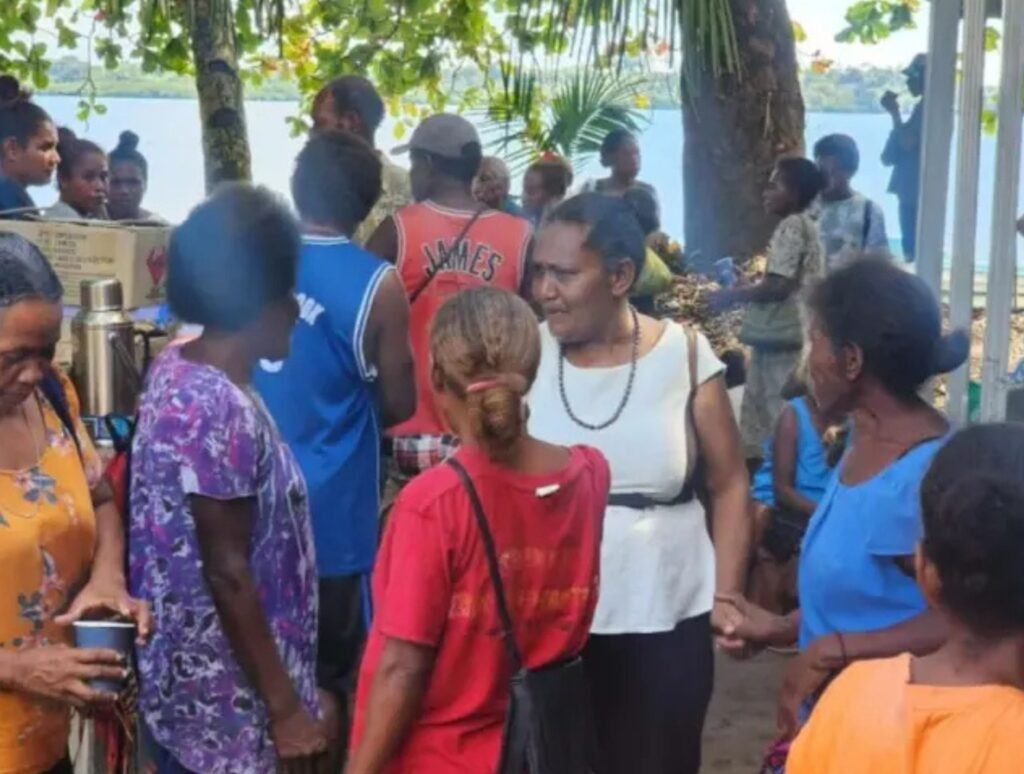
“People questioned how many husbands or partners I had, did I ever wear trousers, what my education background was, and where my financial support came from,” she recalled, shaking her head. “These are things that should never matter. And yet, why aren’t men asked the same questions?”
Though this is seen as an emotional challenge, she said she had to bear with it and keep pushing for the goal.
Before securing her seat, Minister Nori contested twice and lost. Despite the disappointments, she continued supporting communities through school fees and financial assistance, culturally important ways of building trust and confidence.
Another major obstacle for women remains the rising cost of elections.
Chief Electoral Officer Jasper Highwood Anisi highlighted how expenses have increased over time, noting that election costs stood at around 10 million Solomon Dollars 25 years ago, compared to about 235 million today.
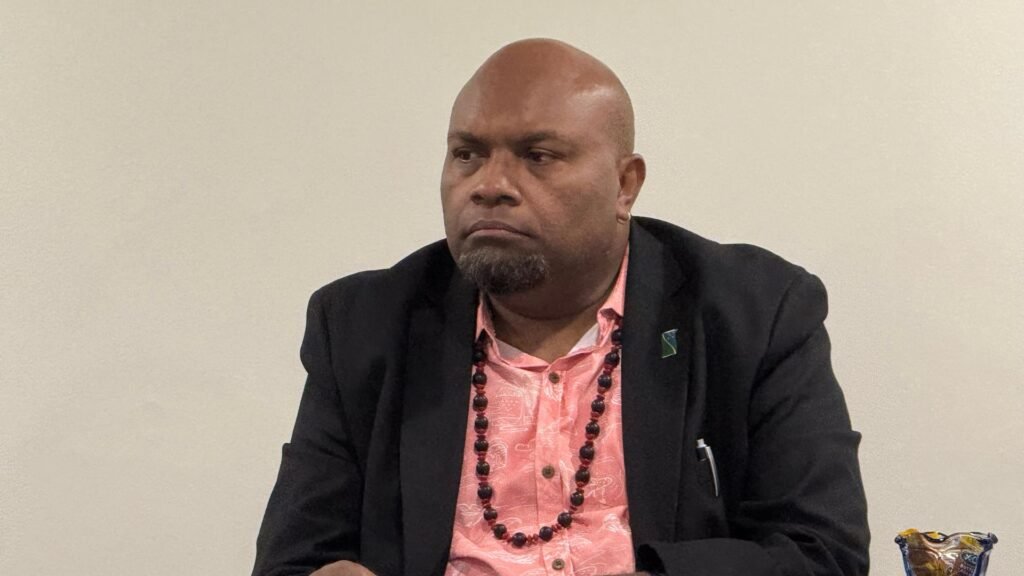
“Election costs never go down. They only continue to rise, and this is a global trend,” he explained.
He also pointed to a growing mindset of “What’s in it for me?” which increasingly influences voter behaviour and places further strain on the democratic process.
Dr. Pollard agreed that financial pressure remains one of the biggest hurdles.
“Our political system is driven by intense competition — financially, socially, and on the campaign trail,” she said. “For women, breaking through this system is a huge challenge, but choosing to contest is already an act of bravery.”
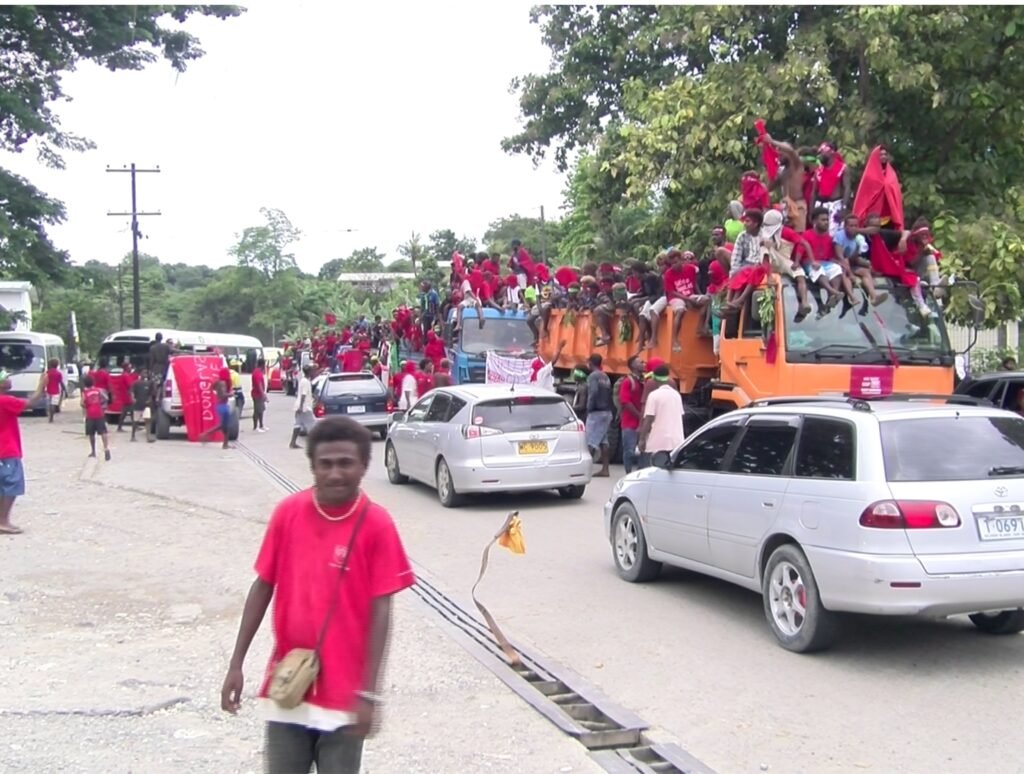
Her own experiences in the West ‘Are’are Constituency in 2006 and 2014, where she narrowly missed victory by just 800 votes in her second attempt, showed both the difficulty and the value of participation.
Although unsuccessful, she described the journey as costly but worthwhile. Today, she continues her political work as President of the Solomon Islands Democratic Party.
She urged women not to view losses as the end of the road.
“Joining political parties is a good starting point,” she encouraged. “That’s where you can find guidance, support, and strength along the campaign journey.”
Beyond individual efforts, leaders are also pushing for broader reforms to improve women’s representation.
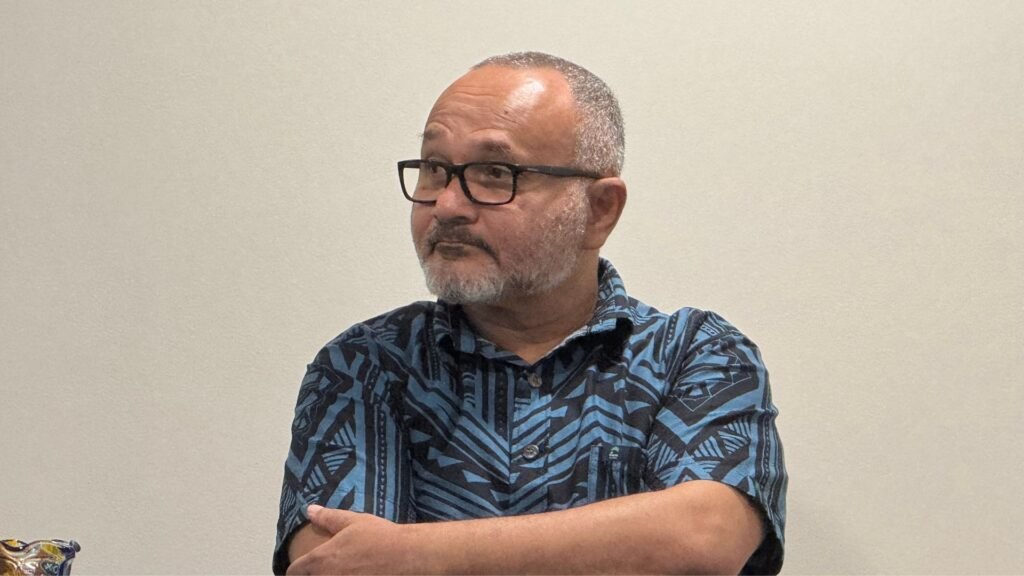
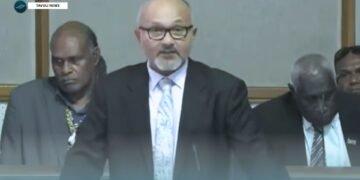
Opposition Leader and Member of Parliament for Aoke Langalanga, Matthew Wale, stressed that real progress requires structural change.
“If we want to see real difference, we must reform the system itself,” he said.
Cabinet has now approved the commencement of work on Temporary Special Measures (TSM), aimed at increasing women’s participation at the provincial government level.
Minister Nori confirmed that the TSM Bill, which has been discussed for many years, finally received Cabinet approval last year.
“The next step is forming a taskforce to visit provinces and decide whether these measures should be introduced through changes to the Provincial Government Act or through a separate law,” she explained.
The plan, she said, is to begin at the provincial level so communities can see how the measures work in practice.
“When people see the impact, hopefully more women will enter provincial assemblies,” she added.
Minister Nori admitted that the proposal initially faced resistance.
“Some members were angry when it was first presented, but I told them, let’s try it and give women a chance.”
Since independence, only six women have been elected to the National Parliament in 45 years, while just 16 women have served in Provincial Assemblies.
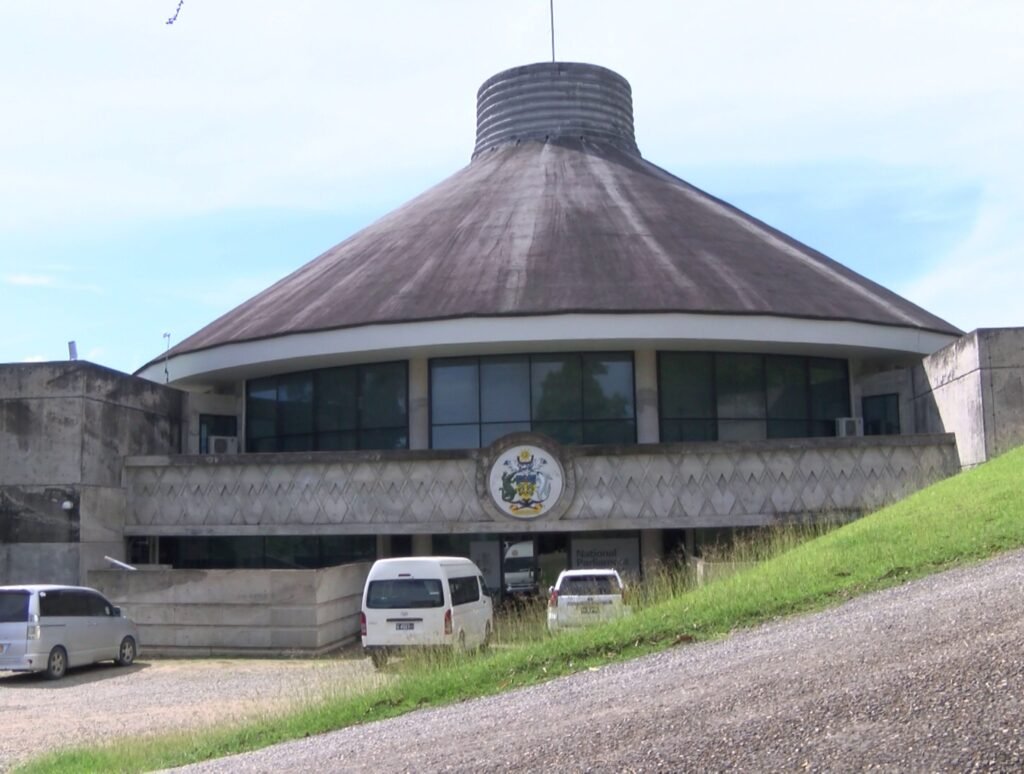
The proposed TSM amendment to the Provincial Government Amendment Bill 2018 is the result of nearly six years of work led by the Ministry of Women, Youth, Children and Family Affairs, MPGIS, and partner organizations.
Opposition Leader Matthew Wale has firmly backed the initiative, describing most resistance as emotional rather than policy-based.
“There is no real policy objection to TSM,” he said. “It’s more about attitudes and feelings.”
Encouraging women to stay persistent, he added, “Keep pushing it. Eventually, you will push it over the line.”
He noted that many objections stem from cultural norms rather than formal systems.
“That reflects who we are as a society, and that’s what we must continue to work on,” he said.
As a starting point, he suggested introducing TSM at the Honiara City Council and provincial government levels.
“Over time, people will see that women can be strong and effective leaders,” he said.
But coming back to the financing cost as one main barrier, Matthew Wale said that there’s been too much naivety for women.
“So you just have to keep up. That’s the culture, that’s the society we’re in. You want to change it, it will take time, so you want to wait that long, you wait, but you need to play the game the culture society is used to now and then you get in and become part of a conversation or change and reform, and also so very important that women are not so naive in approaching elections,” he said.