




































































Isabel women take loggers to court over environmental destruction, damaged livelihoods, and breaches of logging laws

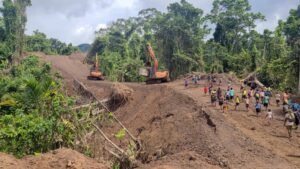
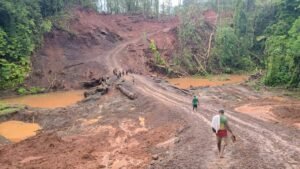
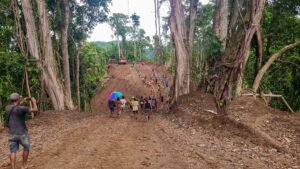
Although logging in Solomon Islands is considered a “sunset industry,” the sun is far from setting—particularly in the Hograno Highlands of Isabel Province.
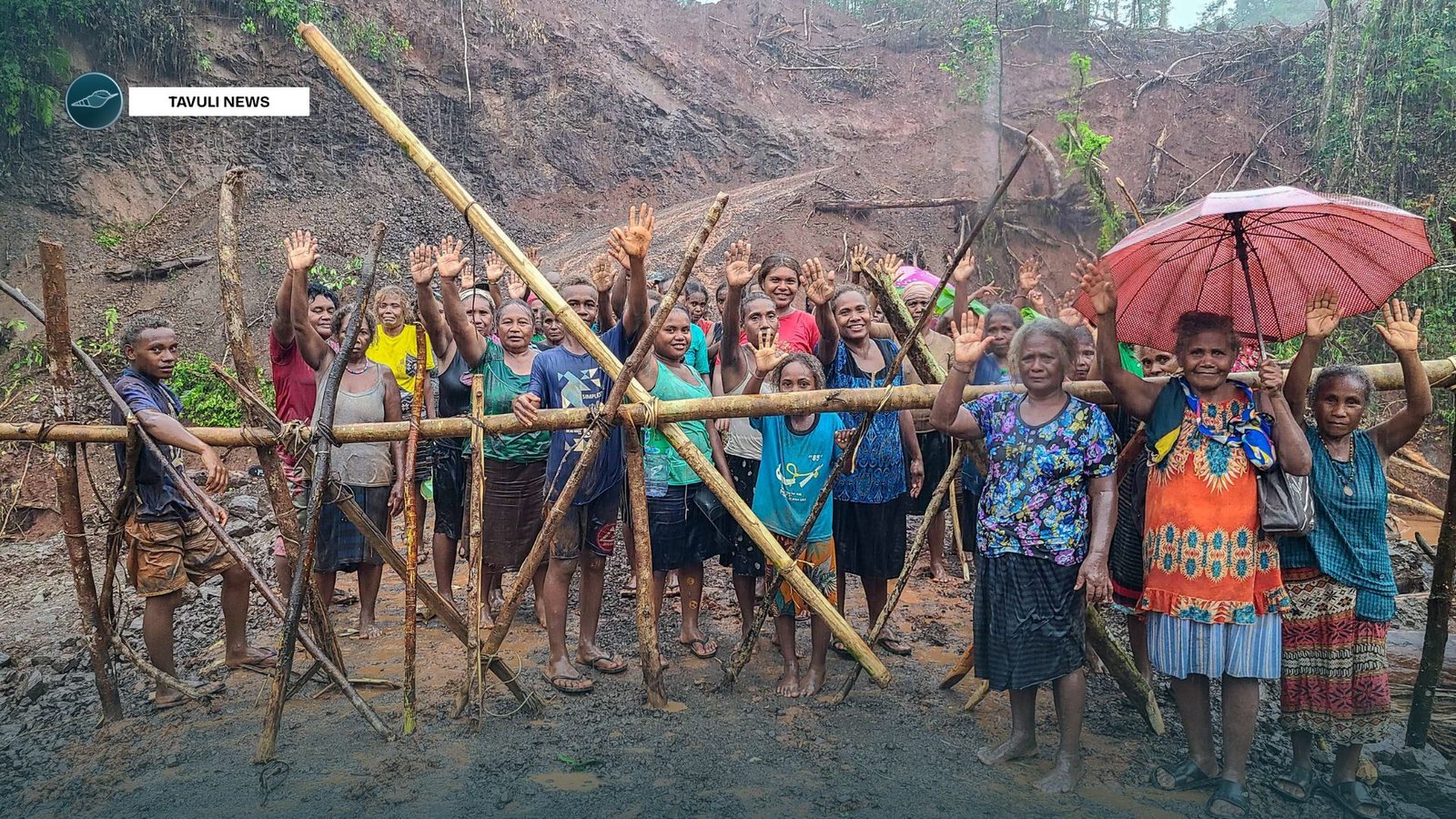
Two years ago, King Solomon Development Company and its licensor, Isabel Timber Company, faced protests from residents of Kolomola and neighboring communities over controversial logging activities on their customary lands. Since then, these communities have struggled to hold the loggers accountable in court for the significant environmental and livelihood damage caused.
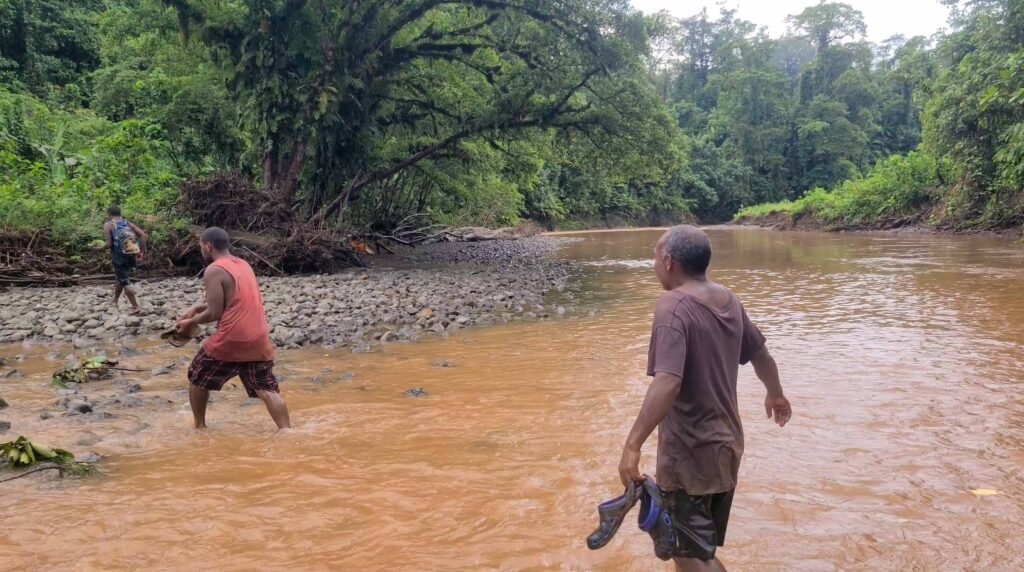
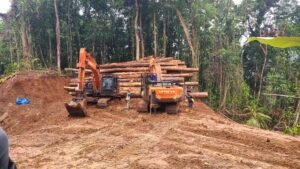
logging activities far inland are creating hardship for riparian communities.
The fight has been uphill. Residents have had to adjust to the destruction while grappling with the high costs of an independent environmental impact assessment, legal fees, and logistical challenges. The case was finally brought before the High Court in August this year.
At the forefront of the case is Nakrupe Ulu, a local women’s organization in the Hograno Highlands. With members from the Alualu, Kolomola, and Tuseli communities, the group has been mobilizing, fundraising, and organizing to pursue justice.
The case does not challenge land boundaries but focuses on the devastating impacts on livelihoods—from food gardens and key forest trees and plants to vital waterways such as the Kaipito River, which sustains many communities in the Hograno District. One elder who witnessed the destruction said, “In my entire life, I have never seen such destruction to our lands.”
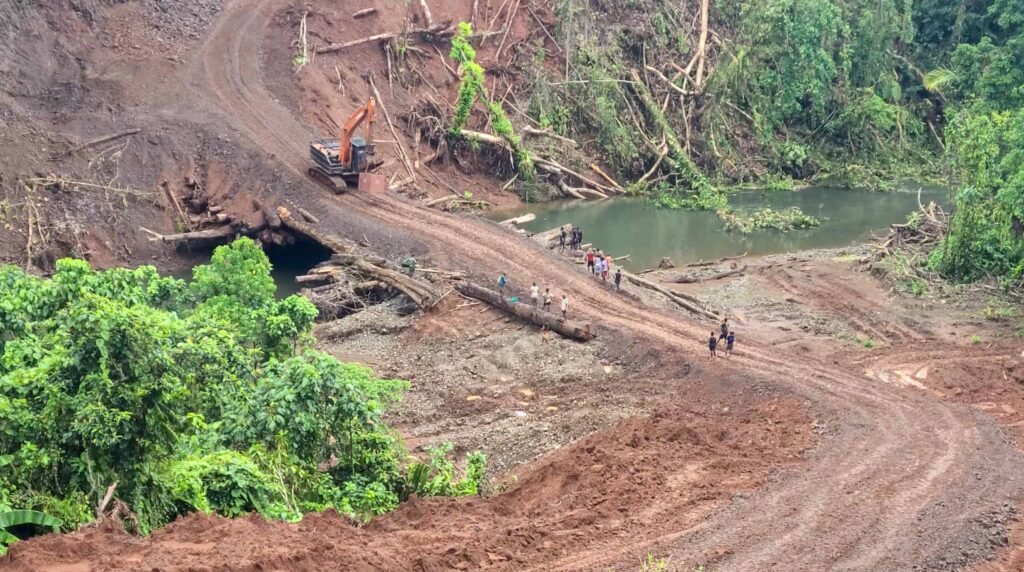
An independent assessment report concluded that the defendants’ “reckless and harmful activities” caused significant damage to wildlife habitats and floral diversity. The report noted that full recovery could take several decades to a century and would require substantial and costly rehabilitation measures.
Members of Nakrupe Ulu expressed outrage at what they described as the defendants’ “no-care attitude” toward environmental laws and logging regulations. “Logging itself is not the problem; breaking the law and betraying promises to the communities is,” said Sandra Thegna, President of Nakrupe Ulu. “All operations must follow environmental regulations, license conditions, and their approved development scope. The consequences of failing to do so are what we have witnessed in our communities—and this is what we stand against.”
Witnesses reported seeing logging machinery dragging logs across key waterways, a direct breach of logging license conditions. Photos and videos of these actions were captured and submitted to the Court as part of an extensive body of evidence.

2024.
However, according to Alualu resident and Nakrupe Ulu member Roselyn Gaeta, compliance with laws and promises alone is not enough. In Isabel’s matriarchal society, women hold well-established rights to land, yet she expressed dismay that women were sidelined in the logging decision-making process from the outset. “Not consulting me and other women is akin to stepping over a person, which is tabu,” she said.
The first hearing has concluded, and the Court is now awaiting the defendants’ response, which is due by 22 April 2026.
SOURCE : KONIDE Media Press