



































































Ulawa bee farmers receive beekeeping materials under SIART to boost honey production and support rural livelihoods in Makira-Ulawa

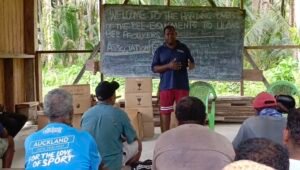
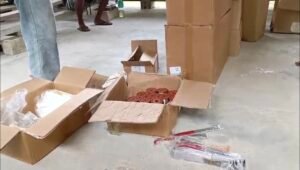
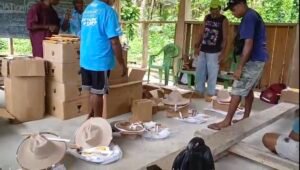
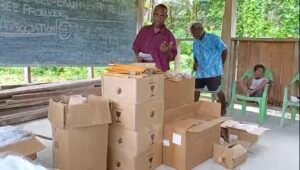
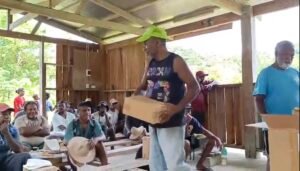
Makira-Ulawa Province, January 2, 2026 – The Ulawa Bee Farmers Producer Association has received long-awaited beekeeping materials, a development expected to support increased honey production and improve rural livelihoods on Ulawa Island.
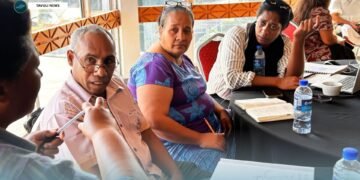
The official handover ceremony was held at Aosi Village, where Association Chairman Pastor Joseph Tara described the support as a significant milestone for local beekeepers. The materials were delivered through the Ministry of Agriculture and Livestock (MAL) under the Solomon Islands Agriculture and Rural Transformation (SIART) Programme.
Speaking at the event, Pastor Tara acknowledged the SIART Programme and local farmers for their patience and continued commitment throughout the process.
“Today marks a great achievement for us as members of this association. We are receiving our first-ever assistance support from the SIART programme, with materials valued at more than $70,000. This is truly a timely New Year gift for our farmers,” Pastor Tara said.
“What we have waited for over a long period has finally arrived. We sincerely appreciate every effort made to ensure these materials reached Ulawa,” he added.
The equipment distributed included bee wax, bee smokers, hive tools, and protective beekeeping suits. These materials are intended to improve honey production, enhance farmer safety, and strengthen hive management practices.
Pastor Tara said the association has set a target to increase honey production by 70 percent by 2026, with the aim of increasing household incomes, expanding hive numbers, and positioning Ulawa as a honey-producing area within Makira-Ulawa Province.
Farmers attending the ceremony expressed optimism that the new materials will help improve productivity and honey quality. Several members said they are confident of achieving higher yields in 2026.
Testimonies shared during the ceremony by new and beginner beekeepers, who began beekeeping last year, indicated that their first honey harvest in December generated encouraging income. Some farmers said the earnings are being used to prepare for their children’s school fees.
The association previously applied for a $100,000 grant to support its operations. According to its leadership, the group plans to responsibly use the assistance received to expand hive numbers, increase honey production, and support member families through honey-based livelihoods.
By Lionel Taorao, Stringer