

































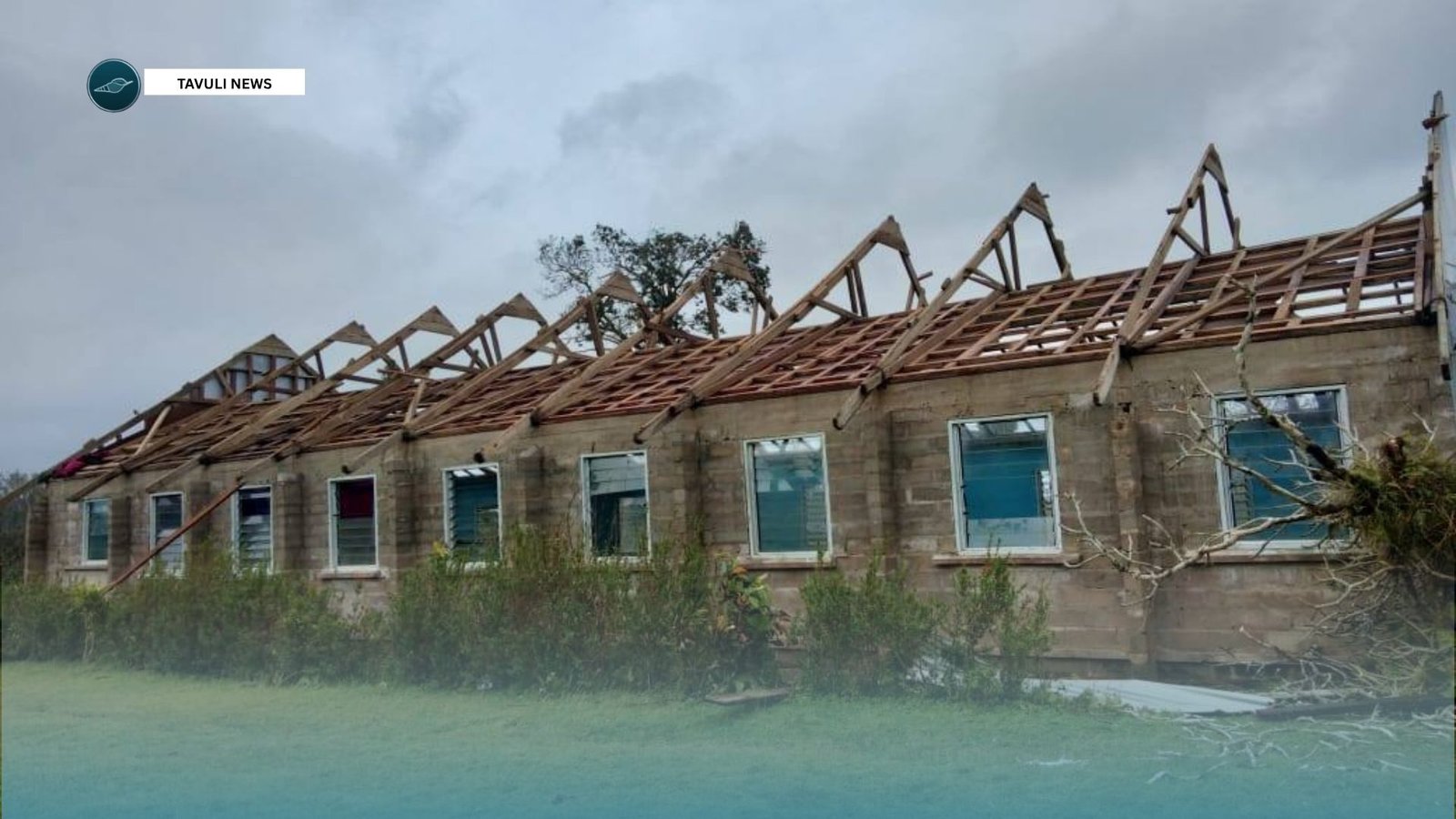
32 schools impacted across three provinces after Cyclone Maila, with Choiseul and Western hardest hit.
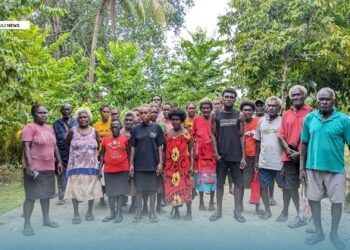
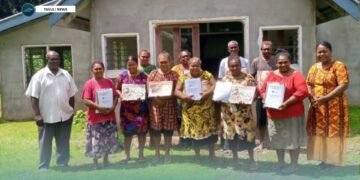
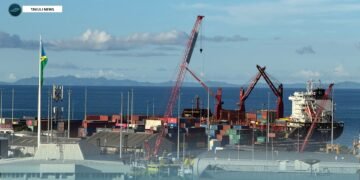
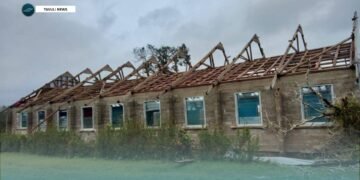
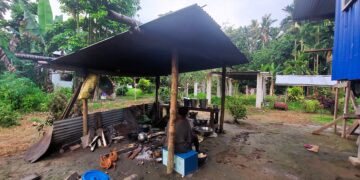
The Education Chair of the National Disaster Council has confirmed that 32 schools across three provinces have been damaged after Tropical Cyclone Maila impacted the Solomon Islands over the Easter weekend.
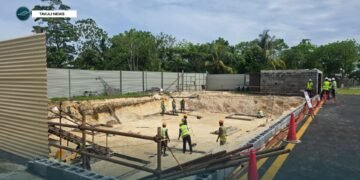
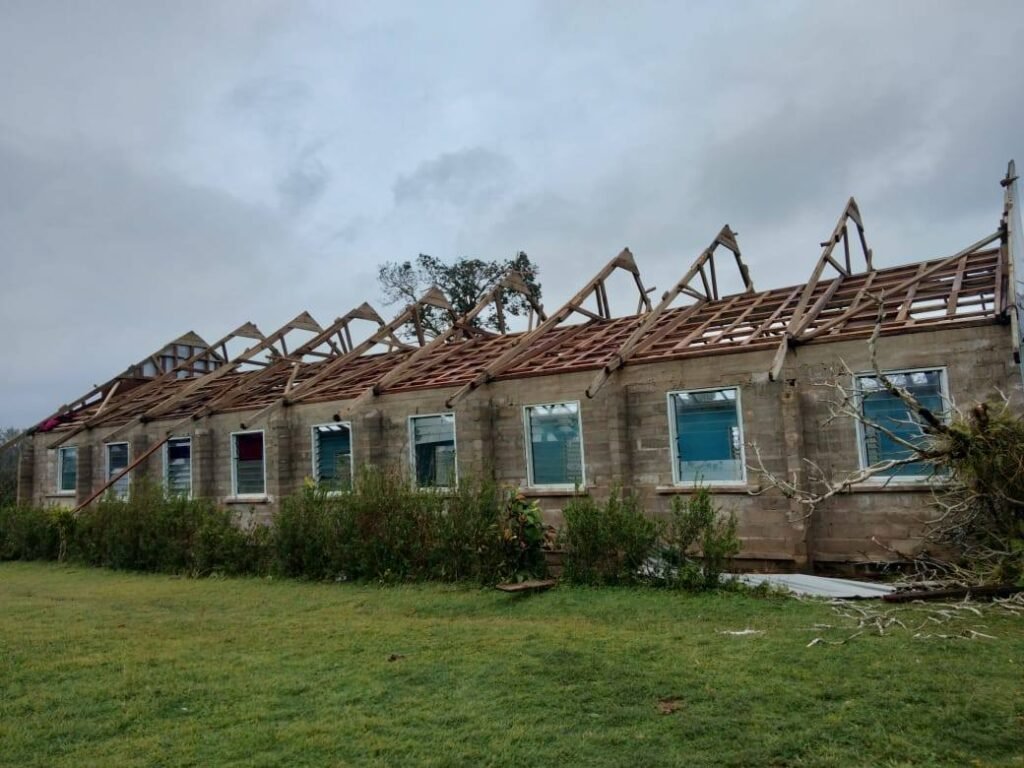
An initial report handed to the National Disaster Council on Saturday shows that Choiseul was hit hardest, with 18 schools affected, followed by Western Province with 13, and one school severely impacted in Guadalcanal.
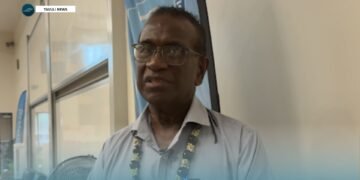
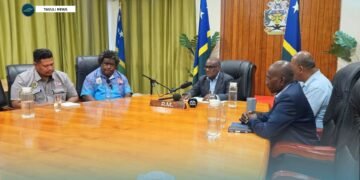
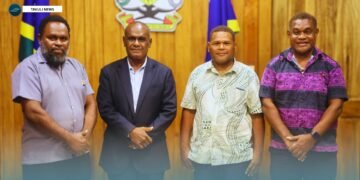
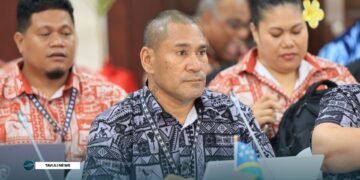
Speaking during a media press conference over the weekend, Education Chair of the National Disaster Council, Christopher Sakiri said the cyclone intensified over four days, leaving behind a trail of damage ranging from minor issues to major structural destruction.
“ Luckily many schools were on one week break, which helped reduce impact, but boarding schools were affected during the cyclone,” Sakiri said.
In a shift from previous disasters, operation teams are coordinating using WhatsApp to receive information from remote areas instantly. Christopher Sakiri, said these messaging groups have allowed communities and teachers to send live updates.
“The accessibility and communication gives us an easy way of communicating, and also coordinators on the ground are able to send us videos and images of impacted schools,” Sakiri said.
He explained that these quick reports are helping the government decide exactly where to send relief teams and supplies first.
The National Disaster Management Office is following a strict 2018 coordination plan to manage the recovery. Director Jonathan Tafiariki said the goal is to ensure that help is organised and efficient.
“This coordination is to ensure that all plans go well as planned and not as the previous event that ended up chaotic,” Tafiariki said.
To achieve this, the government has changed its strategy. Instead of running everything from the capital, coordinators are now based directly in the provinces to manage logistics and ensure help reaches the schools that need it most.
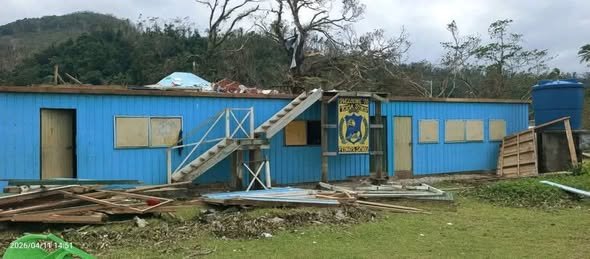
While clean-up efforts are already underway, it is still not safe for students to return to the classroom in the affected areas.
“For this week, from the reports, debris is everywhere and I will not talk further; it will be us advising the Permanent Secretary,” Sakiri said.
“At the moment the Permanent Secretary for Education has to decide by looking at the report and giving directions,” he added.
The education unit under the National Disaster Council is working closely with church-run schools to check their safety status.
“We are working with the church-led schools in Western and Choiseul provinces and already teams are working tirelessly to gather more information on the ground,” he said.
Authorities will advise parents on how long the closures will last, and in the meantime, schools in nearby areas that were not badly hit are on standby to help their neighbouring communities.