






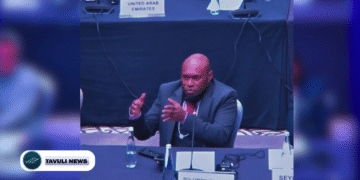













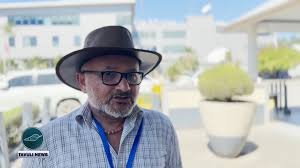
Matthew Wale urges inclusive agriculture reform to protect indigenous farmers and decentralise poultry industry.
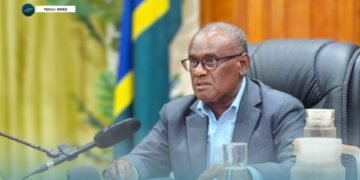
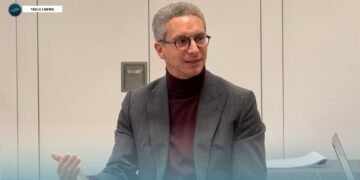
LEADER of Opposition Matthew Wale has called on the government to reconsider development models in the agriculture sector to ensure they are genuinely inclusive of the indigenous population of Solomon Islands.
He said past policy approaches have too often resulted in the structural sidelining of indigenous farmers and rural communities.
“Correcting this requires deliberate policy choices that place ownership, participation, and long-term benefit at the centre of agricultural reform,” Wale said.
The Opposition Leader acknowledged the government’s intention to strengthen domestic poultry production through the Ministry of Agriculture and Livestock Development’s Poultry Production Strengthening Programme (PPSP).
However, he has raised concerns that the current 2026 Expression of Interest (EOI) framework risks falling short of the Government for National Unity and Transformation’s commitments to decentralisation, inclusivity, and people-centred development.
While reducing reliance on imported poultry is a necessary national objective, Wale noted that the present EOI remains heavily concentrated around Honiara and Guadalcanal and appears structured in a way that favours large, well-capitalised operators.
He said if not addressed, this risks entrenching ownership and control of a strategic food industry in the hands of a few, rather than broadening participation to rural communities and ordinary Solomon Islanders.
“The GNUT policy framework is clear about decentralising development and empowering our people. However, decentralisation must be reflected not only in where projects are located, but in who owns, controls, and ultimately benefits from them,” he said.
Wale calls on the government to review the PPSP EOI framework in a constructive spirit, to ensure that poultry sector reform aligns fully with GNUT’s stated objectives of decentralisation, indigenous inclusion, and shared national prosperity.
The Opposition Leader proposed that government give serious consideration to a more inclusive ownership model for the poultry industry through the establishment of a public entity or public company.
He said under such a model, core infrastructure—including hatcheries, feed mills, and breeding facilities—could be developed with public participation, enabling Solomon Islanders to invest as shareholders in a nationally important industry.
“This would allow our people to participate not merely as workers or suppliers, but as co-owners in the country’s food system. It would help reduce concentration of economic power while strengthening national food security,” Wale said.
He emphasised that this approach is intended to complement private sector involvement, not replace it, while ensuring that the long-term benefits of industry growth are more equitably shared across the country.
SOURCE: OFFICE OF THE LEADER OF OPPOSITION PRESS