


























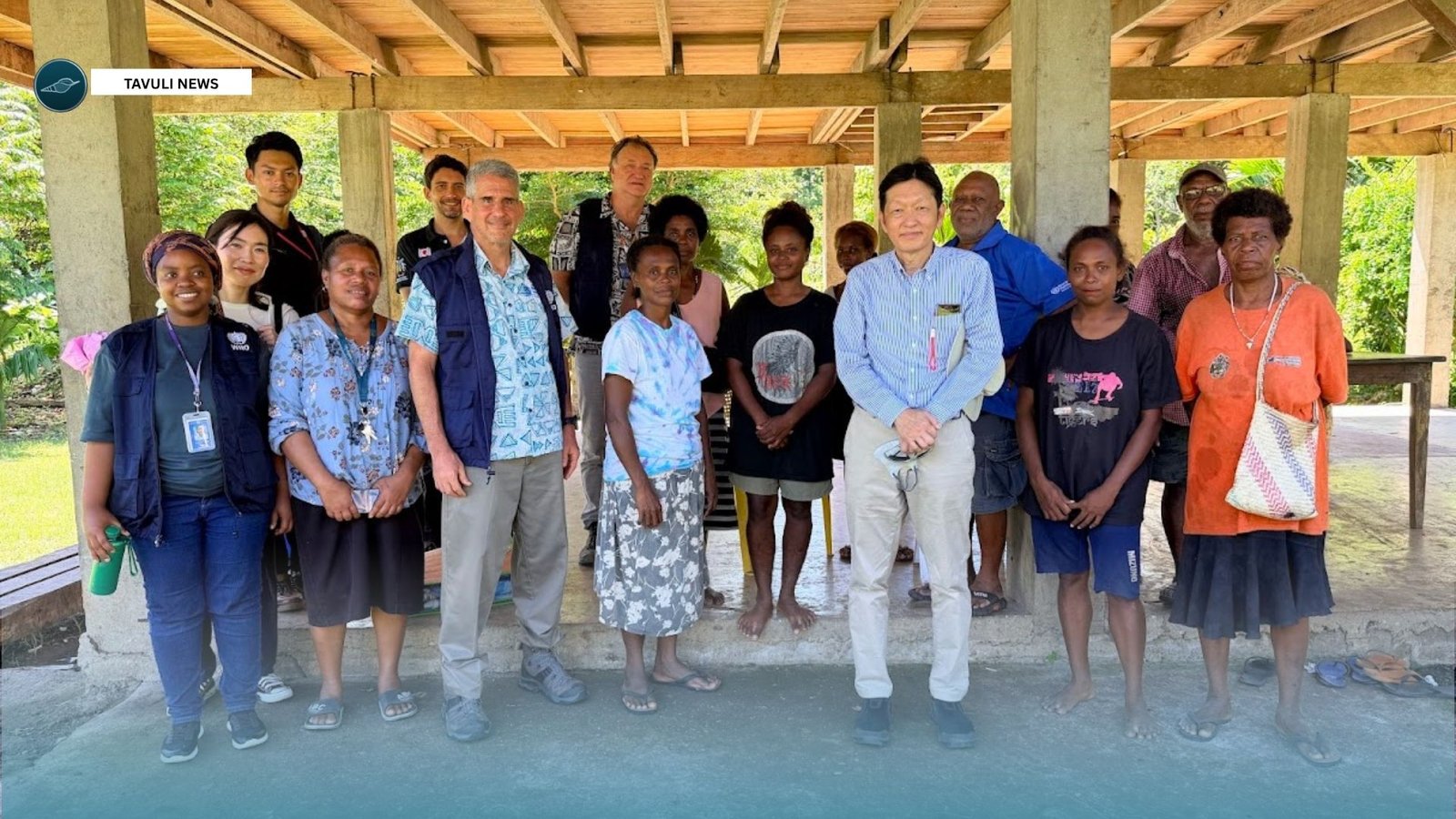
Malaria reduction efforts in Honiara improve healthcare with real-time data and targeted spraying programs.
HONIARA, 31 March 2026 – Malaria is a major cause of outpatient visits and hospital admissions in Solomon Islands, burdening primary health care, causing thousands of lost workdays, and impacting the gross domestic product. The Japan–Solomon Islands Malaria Reduction Project is a joint collaboration between the Ministry of Health and Medical Services (MHMS), the Government of Japan, and WHO to advance modern malaria control strategies combining real-time digital surveillance, improved Plasmodium vivax case management, targeted indoor residual spraying, and locally driven operational research.
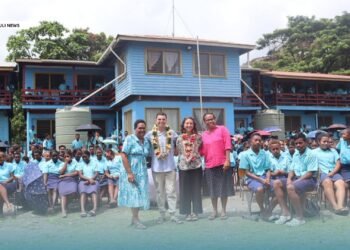
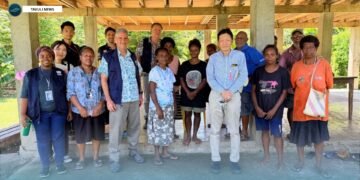
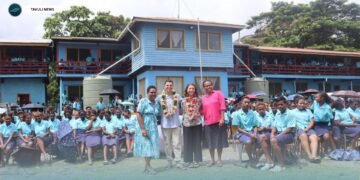
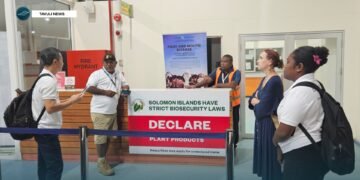
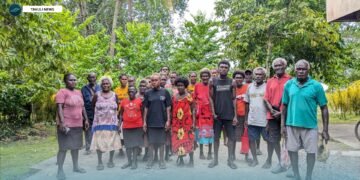
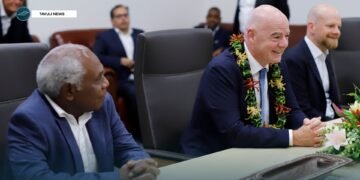
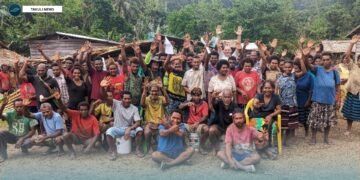
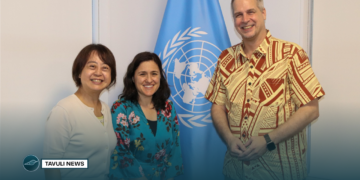
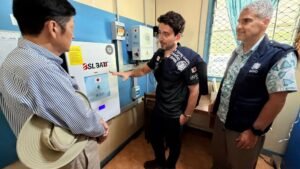
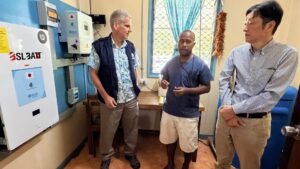
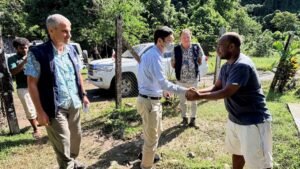
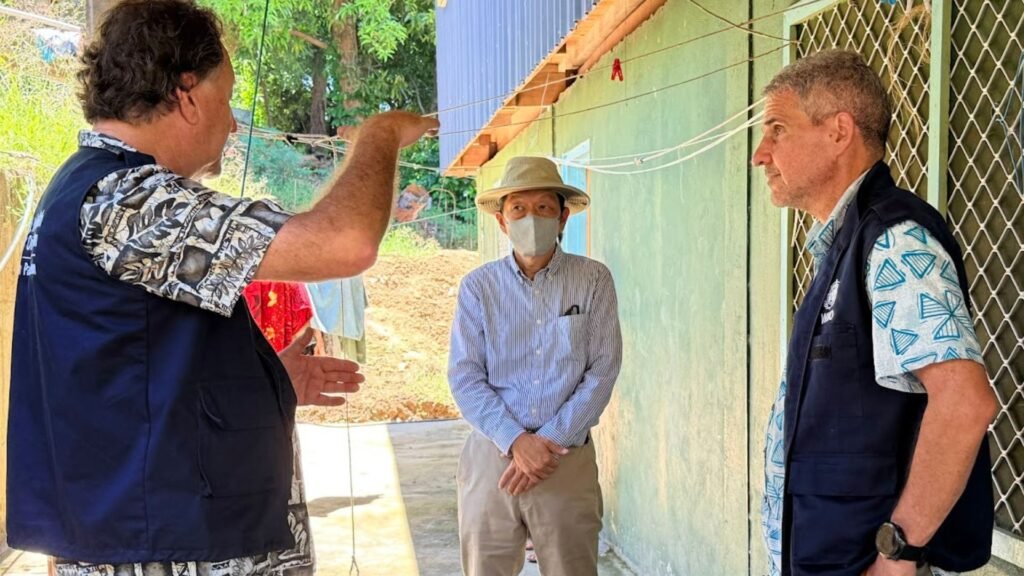
The Ambassador of Japan and the WHO Representative joined MHMS representatives in Pao and Vura communities, and Lunga Health Clinic to observe how these modern control strategies are helping to protect families from malaria.
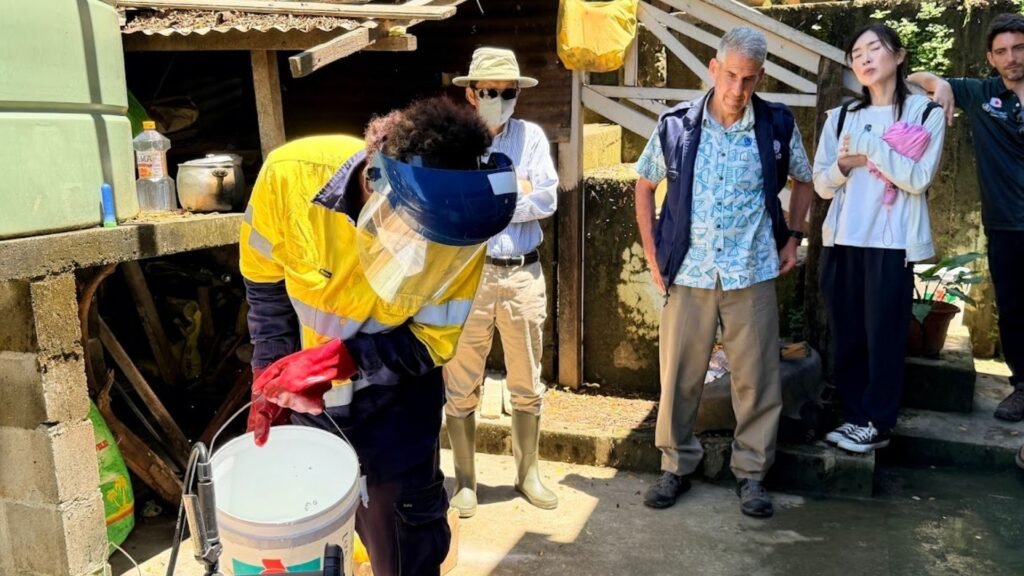
Indoor residual spraying involves applying a long-lasting insecticide to the inside walls and roofs of homes, thereby killing mosquitoes and other pests. The project was responsible for spraying 800 households this year, and plans are underway to expand to all malaria hotspots in Guadalcanal (Zones 1 and 6) and Honiara. Early results show a promising decline in the most lethal form of malaria (Plasmodium falciparum) from 44% in 2023 to 31% in February 2026.
Plasmodium vivax is a type of malaria that hides in the liver. Treating it requires Primaquine, a drug that penetrates the liver. However, the drug can rarely cause a serious health problem called hemolytic crisis if people are missing an enzyme (G6PD). To address this problem, G6PD testing has been made available at all project sites to ensure safe and effective treatment. Revised treatment protocols endorsed nationally are helping reduce relapse-driven transmission.
Reacting to positive feedback from health workers and communities, His Excellency, Mr Keiichi Higuchi, Ambassador of Japan to Solomon Islands said: “I wanted to thank you for giving me this positive feedback. That resources are put to good use in Guadalcanal, or even across the greater Solomon Islands, because seeing this firsthand, I’m convinced this serves as a good practice that can lead to wider use both in Solomon Islands and the rest of the Pacific.”
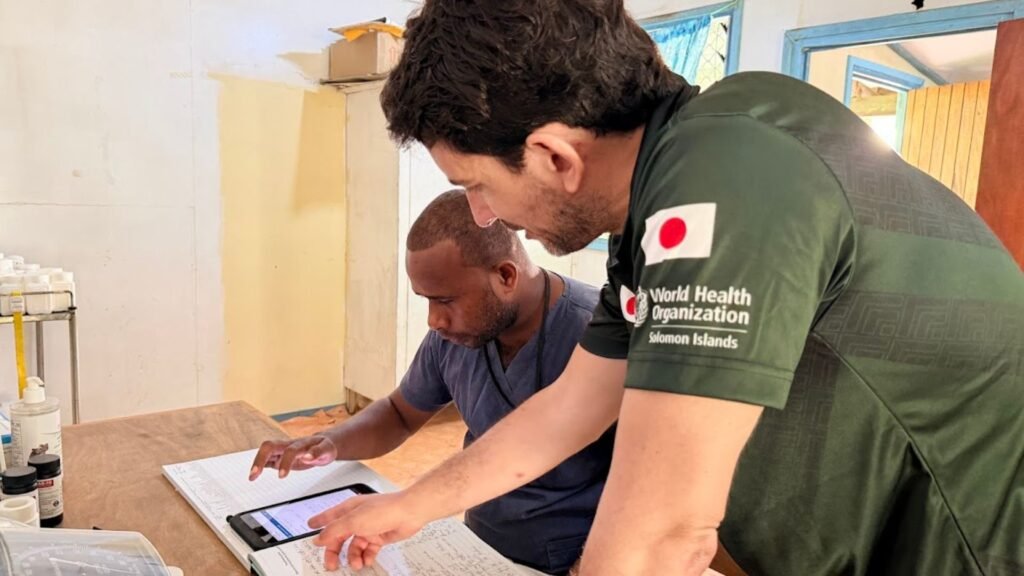
The project has transformed malaria reporting by shifting from paper-based systems to digital platforms using DHIS2, supported by solar power systems and Starlink satellite connectivity in remote health facilities. Forty computer tablets have been deployed to enable rapid, reliable data collection, which is essential for identifying transmission hotspots.
“Before this project, it took so long to get data, which meant we couldn’t respond to malaria hot spots. This project has given us real-time data and helped us to target and control hot spots,” said Dr Albino Bobogare, National Vector-Borne Disease Control Program Director, Ministry of Health and Medical Services.
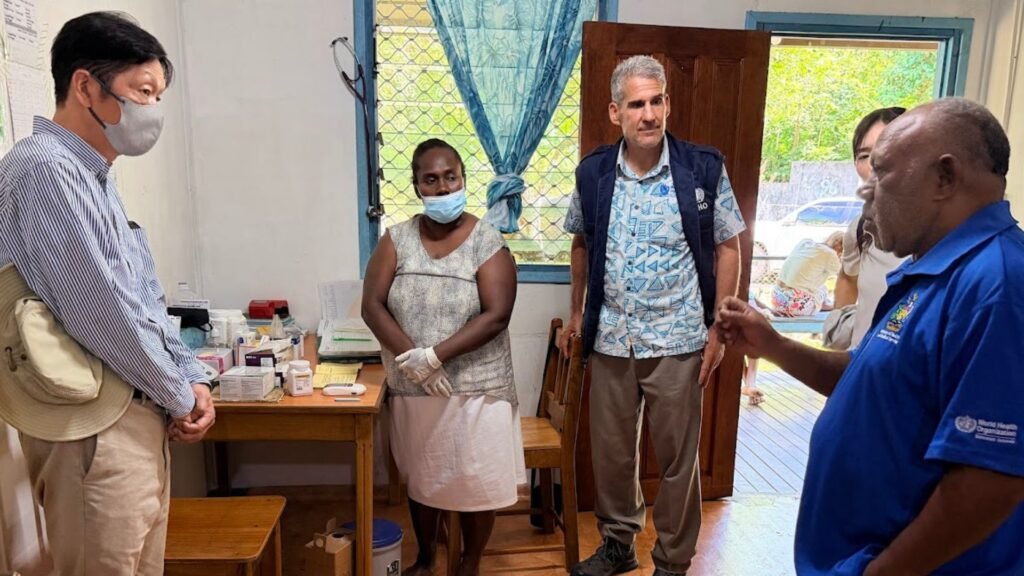
Nurse Wilson Bala is thankful to the Government of Japan for the support, which has now enabled them to provide care to the community for extended periods, thanks to the facility’s solar power. He said that even deliveries at night are now possible because of an uninterrupted electricity supply. He added that he can safely look after patients even in the dark, whereas before, he needed to use his mobile phone’s torchlight.
Building Evidence for Long-Term Impact
The project includes a research partnership between the Solomon Islands National University and the University of Kyoto to evaluate the combined effect of long-lasting insecticidal nets and targeted indoor residual spraying. Interim findings are expected in mid-2026 and will help guide future strategies and funding proposals.
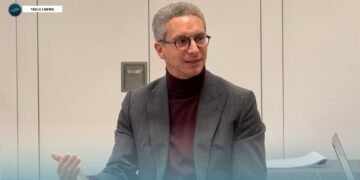
“Japan’s support ushered in modern surveillance, strengthened treatment safety, and reached households with targeted vector control,” said Dr Howard Sobel, WHO Representative in Solomon Islands. “WHO is proud to be the implementing partner in this important work to build sustainable systems that will protect families. Together, we can make malaria elimination a reality.
SOURCE: WHO Press Release