






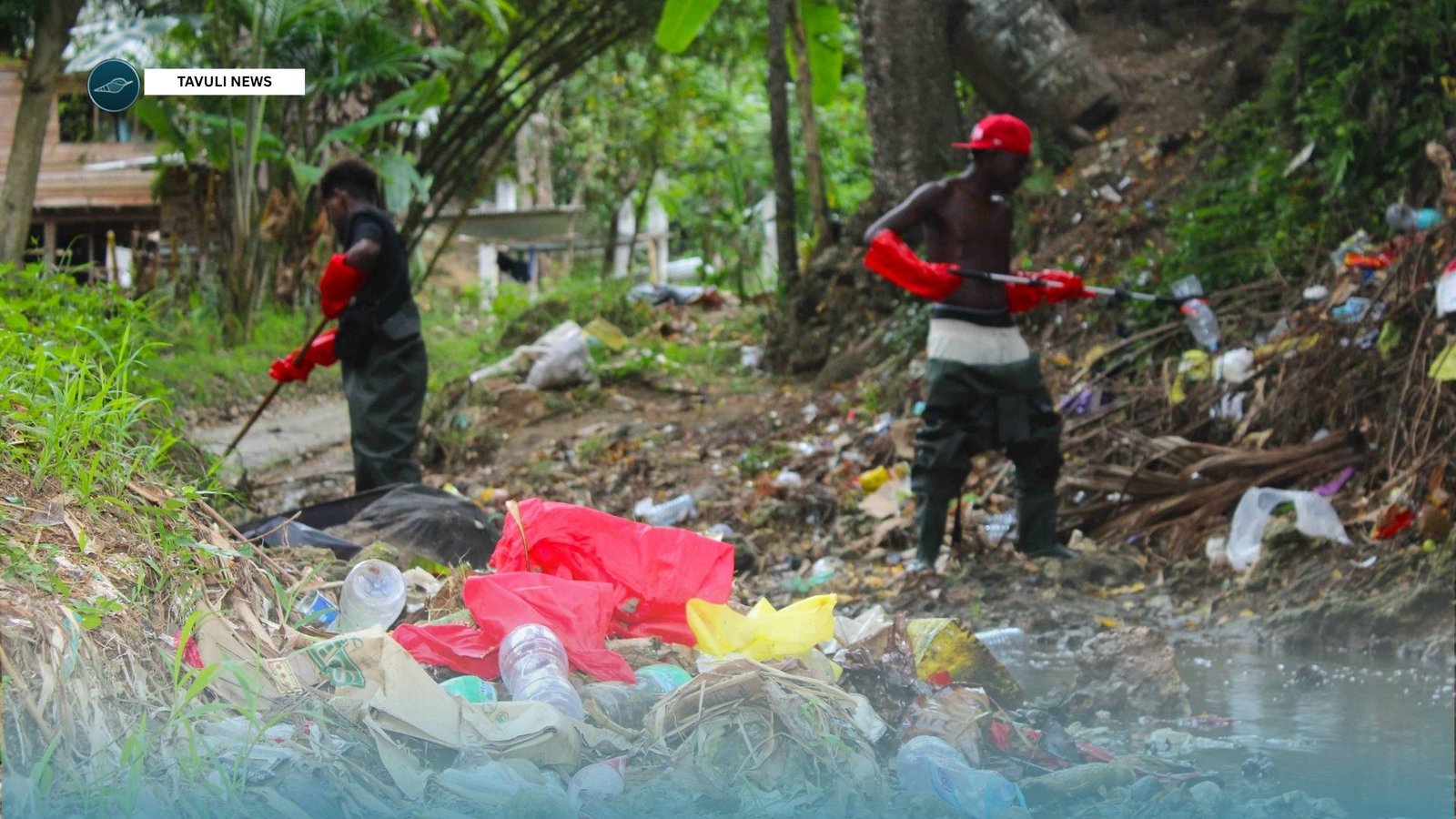
CAUSE II cleanup removes 14 truckloads of waste from Honiara stream in community-led effort
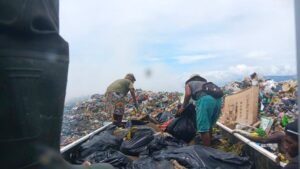
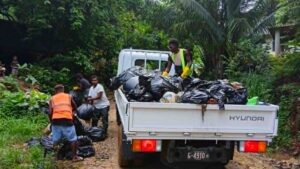
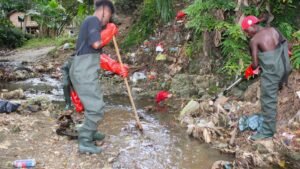
HONIARA, Solomon Islands – WHAT began as a pilot cleanup effort is quickly turning into a powerful example of community-driven environmental change. Along a 670-meter stretch of stream running from Jericho to Matariu, residents – supported by the CAUSE II Project are reclaiming waterways once choked with waste.
This Community-led stream cleanup initiative falls under Component 2: Safe and Inclusive Communities of the CAUSE II Project and is already delivering visible results in Honiara.
A Strong Start: 14 Truckloads of Waste Removed
In just three weeks, three community teams worked tirelessly to clear rubbish from the stream – removing an impressive 14 truckloads of waste. In total, 34 rolls of garbage bags (nearly 700 individual bags) were used to collect the waste. Among the debris collected:
• 25% PET plastic bottles
• 25% Kasu gas cans
• 20% household items (including irons and appliances)
• 15% plastics
• 10% vehicle parts and scrap metal
• 5% other waste
The cleanup also revealed that single-use plastics and improperly discarded household waste are major contributors to pollution in urban streams.
The Project’s Community Liaison Officer, Penny Siliako highlighted, “The numbers tell more than just a cleanup story – they reveal behavior patterns. The high volume of single-use plastics and household waste points to gaps in disposal systems and public awareness. At the same time, the strong turnout from community members shows a willingness to be part of the solution.
More Than Cleanup: A Shift in Community Mindset
Beyond the numbers, one of the most encouraging outcomes is the strong community support behind this initiative. Residents are not only participating – they are proposing solutions, some of which include:
• Installing waste collection stations along the stream
• Putting up educational signage
• Expanding awareness campaigns on proper waste disposal
“This level of engagement signals something bigger than a cleanup – it points to long-term behavioral change. Now the momentum is building. Two additional community groups are stepping in to continue the effort, ensuring that the work doesn’t stop – and that previously cleaned areas stay clean,” Penny revealed.
Challenges on the Ground
The work hasn’t been without obstacles. Cleanup teams have had to navigate:
• Unhygienic conditions, including sewage and accumulated waste
• Pig enclosures built along the stream, worsening sanitation risks
• Difficult logistics, particularly in downstream areas
• Continuous inflow of debris from tributaries feeding into the stream
These challenges underscore the complexity of urban environment management – and the need for coordinated solutions.
Visible Impact: Before and After
The transformation is already visible. Areas that were once clogged with debris are now flowing freely, with clearer water and restored access points. Some cleaned sections are even being considered for future infrastructure, such as footbridges – showing how environmental restoration can unlock broader community development.
Is the Pilot Working? Early Signs Say Yes. While still in its early stages, the pilot project shows strong signs of success.
A Cleaner Future Within Reach
The CAUSE II Project, implemented by the Solomon Islands Government and supported by the World Bank and the Australian Government is proving that community-led action can deliver real environmental change – quickly and effectively. As cleanup efforts continue, the challenge will be maintaining momentum, improving infrastructure, and turning short-term gains into lasting impact.
For now, one thing is clear: Honiara’s communities are not waiting for change – they are leading it.
PRESS RELEASE