




































































Testing in the last quarter of 2025 shows improved kava compliance and no chemical contaminants, with implications for Solomon Islands exporters.
The Kava Coalition reported in the last quarter of 2025 that 40 commercially available kava products met chemical safety standards but continued to face microbial compliance challenges, findings with direct implications for Solomon Islands exporters.
Testing conducted between September and October assessed products from 20 vendors against the Harmonized Multinational Kava Standard. Samples were analysed for microbial contamination, heavy metals, pesticides, moisture levels, residual solvents, and chemical composition.
For Solomon Islands, where kava cultivation is expanding as a high-value agricultural export, compliance with international standards is increasingly linked to market access, buyer confidence, and pricing.
Microbial Compliance and Export Risk
Seventy-three percent of samples passed microbial action limits, an improvement from earlier testing in 2025. Microbial testing measures the presence of bacteria and other microorganisms that can pose health risks and affect import approval in destination markets.
One sample tested positive for Salmonella, a bacterium capable of causing severe gastrointestinal illness. Seven samples exceeded limits for coliform bacteria, organisms commonly used as indicators of sanitation standards. Three samples exceeded limits for Escherichia coli, or E. coli, a bacterium found in the intestines of humans and animals that can signal contamination during processing or handling.
Although none of the E. coli samples contained Shiga toxin-producing strains, which are associated with more severe disease, the findings highlight the importance of proper drying, hygiene, packaging, and storage systems.
For Solomon Islands exporters targeting markets such as Australia, New Zealand, the United States, and parts of Asia, microbial compliance can determine whether shipments are accepted, delayed for further inspection, or rejected.
Ready-to-drink kava beverages tested during the period met microbial requirements. This suggests that controlled manufacturing environments may provide stronger compliance outcomes than bulk powdered exports, which rely heavily on farm-level and post-harvest handling practices.
Chemical Safety Results Positive
Chemical safety results were more reassuring. All 40 samples met established limits for heavy metals including lead, arsenic, cadmium, and mercury. These elements occur naturally in the environment but can pose health risks at elevated levels. Concentrations were measured in parts per million, a standard unit used to quantify very small amounts, and were within accepted international thresholds.
Testing for 67 pesticide residues detected none. No mycotoxins were found either. Mycotoxins are toxic compounds produced by certain moulds, including aflatoxins and ochratoxin A, which can develop if crops are improperly dried or stored.
For Solomon Islands farmers, the absence of detectable pesticide residues may strengthen the country’s reputation in markets that favour naturally cultivated or low-input agricultural products.
Noble Chemotypes and Market Positioning
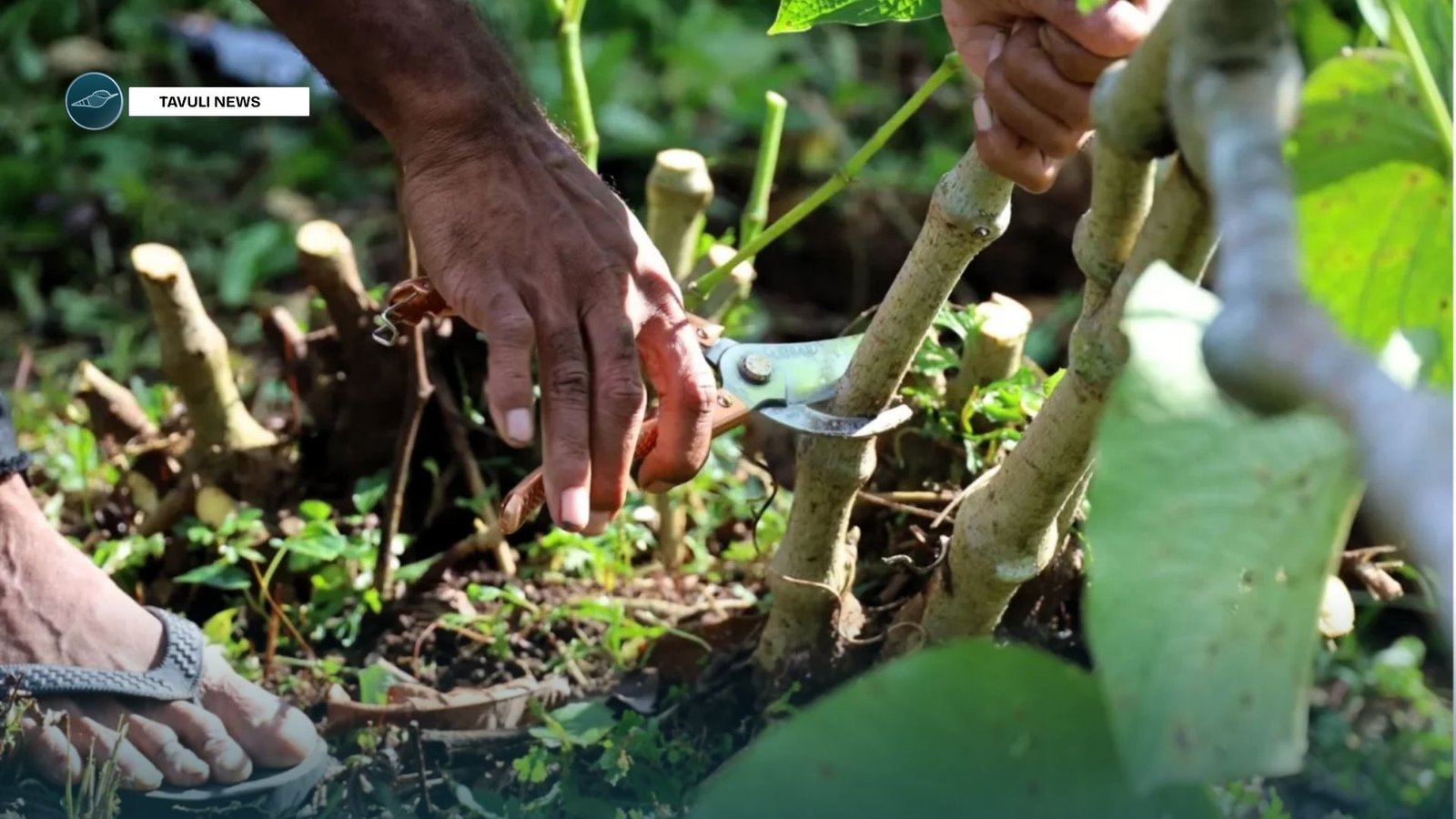
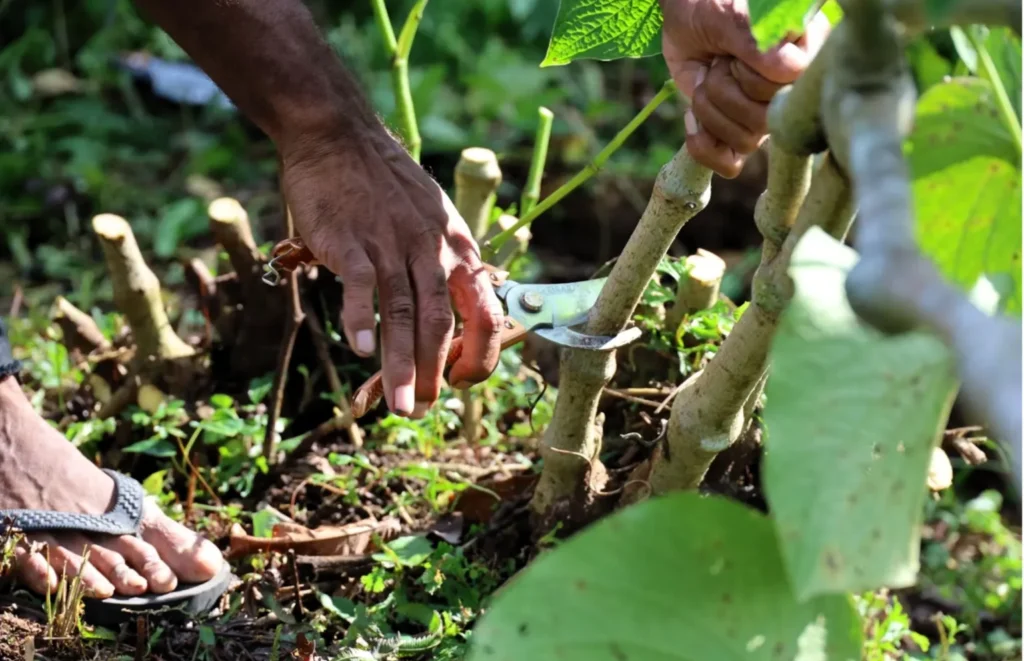
The report also examined the chemical profile of Piper methysticum, the scientific name for the kava plant. Central to quality assessment are kavalactones, the naturally occurring compounds responsible for kava’s calming properties.
Ninety-four percent of botanical samples contained kavain and dihydrokavain among their dominant compounds. These are two of the six major kavalactones used to define a kava plant’s chemotype, or classification based on its chemical composition.
Other major kavalactones include methysticin, dihydromethysticin, yangonin, and desmethoxyyangonin. The balance of these compounds helps determine potency and whether a variety is considered noble, a designation commonly associated in the Pacific with traditionally cultivated varieties preferred in premium markets.
Average total kavalactone content measured 6.2 percent by weight, consistent with earlier testing. Flavokavains, minor compounds monitored to ensure they remain within safe limits, averaged 0.16 percent, with only one sample exceeding the 0.4 percent threshold.
For Solomon Islands exporters, verification of noble chemotype and consistent potency is increasingly important as international buyers request laboratory-backed certification.
Outlook for Solomon Islands
Although the report did not identify individual brands or countries, its findings reflect trends affecting Pacific suppliers.
The absence of chemical contaminants supports confidence in Pacific-grown kava. However, the continued detection of microbial failures in some powdered products indicates that investment in improved drying infrastructure, moisture monitoring, and sanitation systems could directly influence export competitiveness.
As global demand for kava continues to expand, compliance with harmonised standards is becoming central to securing and maintaining access to higher-value markets.
For Solomon Islands, strengthening quality control from farm to final packaging may determine how much value the country captures from its growing kava industry.
Full Report
The complete Quarterly Report on Commercially Available Kava Products is available from the Kava Coalition website: Q4 2025 Market Survey Report — Kava Coalition™