










































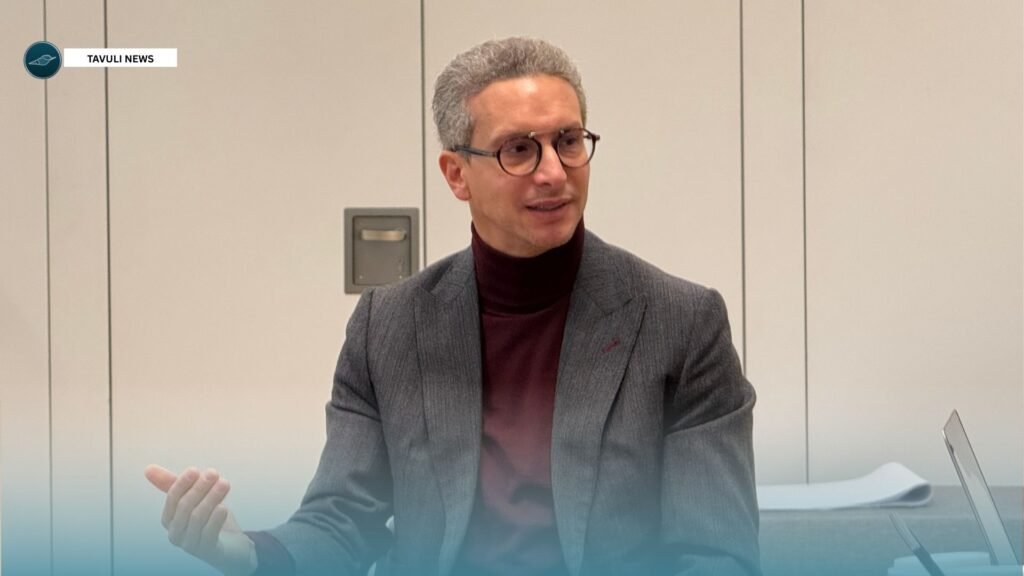
Photo: Tavuli News- Solomon Islands
UN Climate Envoy highlights Pacific communities leading climate action and resilience across the region.
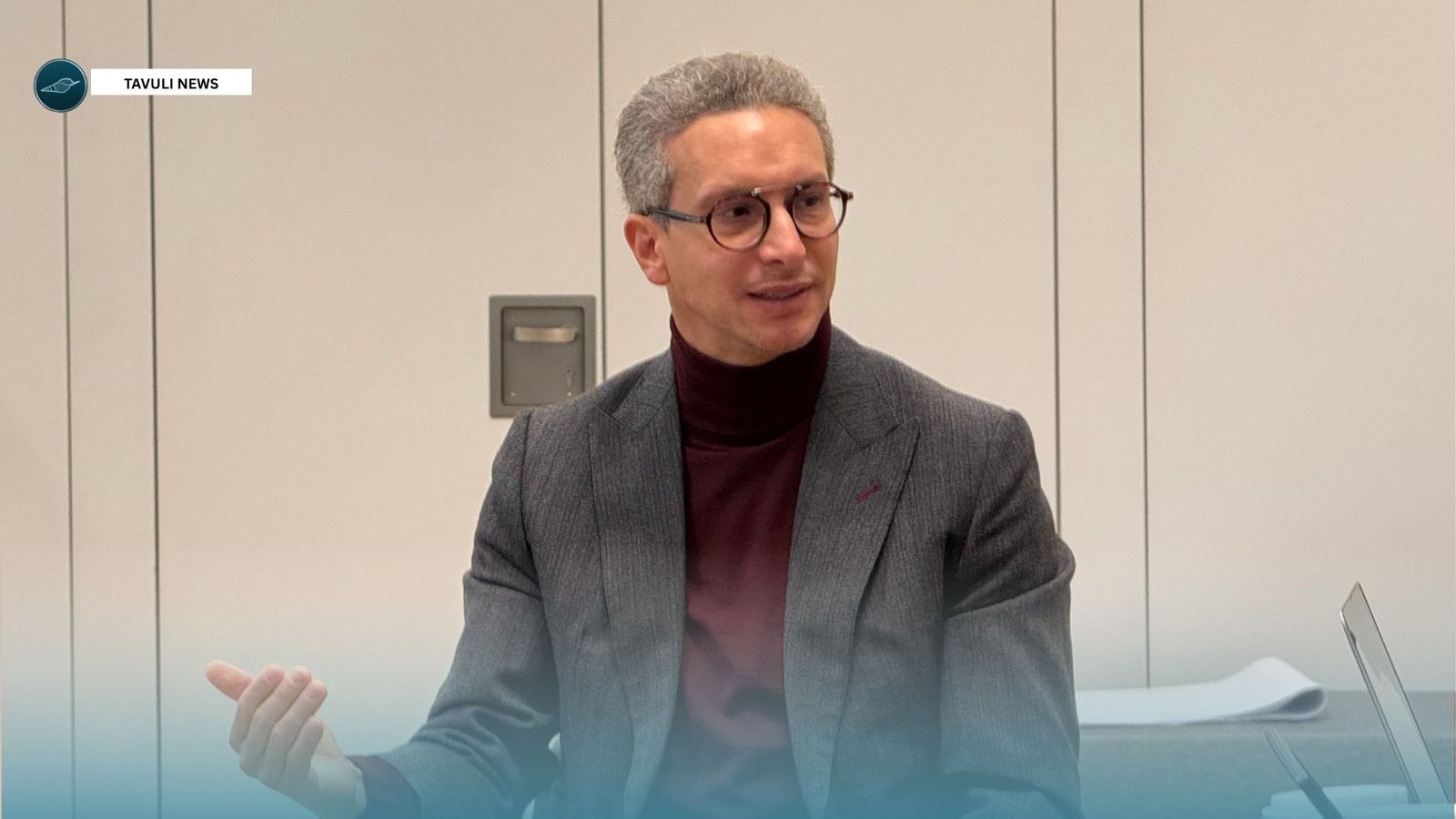
The Climate Envoy to the President of the United Nations General Assembly, Professor Kamal Amakrane, has highlighted the leadership of Pacific Island countries in addressing climate change and strengthening regional decision-making.
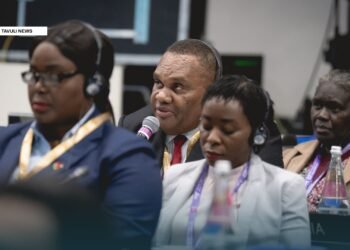
Speaking last month to a group of international journalists in Berlin, Germany, at the Climate Peace Security Nexus, Amakrane said the Pacific demonstrates a strong sense of sovereignty that goes beyond traditional international relations. He explained that this includes sovereignty over finance, decision-making, and the region’s future development.
“I honestly believe that the fact that Pacific Islands establish their own structures can only serve and prioritize your challenges,” he said.
Amakrane noted that Pacific nations are increasingly creating their own regional mechanisms to address priorities rather than relying solely on global institutions. He highlighted initiatives such as the Pacific Resilience Facility, regional adaptation programs, early warning systems, and national climate policies.
“I think we should empower people and give them the agency to lead from the front. And I think that’s what the Pacific is doing. They are not waiting for the generosity of others because the communities are being impacted on a daily basis. So you don’t want to wait 10 years until you have such tools,” he said.
He emphasized that international institutions, including the United Nations, should be viewed as tools to support progress, equity, and justice, not as the final solution.
“All these structures are tools, not the ends. The UN is not the end. The UN is a tool for progress, for equity, for justice. And if you start, the mindset often invests much more in the tool than in the people. But the people are the end.”
According to Amakrane, Pacific communities are already experiencing the impacts of climate change daily, and the region’s leadership reflects the urgency to act now rather than wait for external assistance.
Having worked 25 years with the UN, Amakrane warned that bureaucracy can hamper the climate process:
“We should not be victims of bureaucracy. I have been a bureaucrat, and they are good at the process. But the process is not the end, the people are the end. If we do not bring dignity and reality to the process, the solution will not endure.”
He added that while regions like the Pacific are fighting on the frontline of climate change at all costs:
“It is quite regrettable that we are not where the population wants us to be. Global citizens at large expect a set of ambition, and regrettably, we are not meeting them.”