
















































PALM Scheme continues to transform lives

In my last column I promised I would bring you an update on the Pacific Labour Mobility (PALM) scheme.
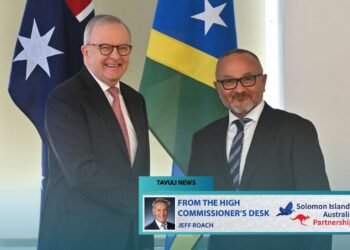
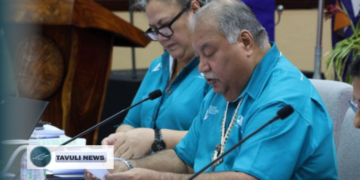
It was easy to keep this promise, because PALM was raised in my first meetings with Prime Minister Hon. Jeremiah Manele and Minister of Foreign Affairs and External Trade Hon. Peter Shanel Agovaka. It was clear from those discussions that PALM is a high priority for the Solomon Islands Government.
The PALM scheme has transformed the lives of more than 11,000 Solomon Islanders and delivered economic benefits for families and communities across the provinces.
And the benefit flows both ways. Solomon Islander workers are relieving critical labour shortages in Australia and developing a reputation as reliable, skilled, and hardworking ambassadors for their country. I know Australian employers are grateful for the valuable contribution Solomon Islanders are making every day while they’re at work in Australia.
A recent report estimated Solomon Islands’ PALM workers sent home SBD 507 million in remittances between July 2024 and June 2025. These savings are being used to build houses, pay school fees and start new businesses.
The Solomon Islands Government’s goal is to further grow the number of workers and flow of remittances – a goal I’m very happy to support.
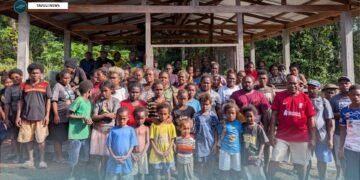
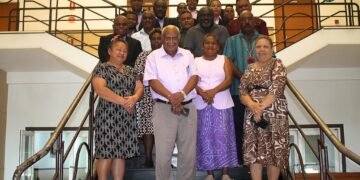
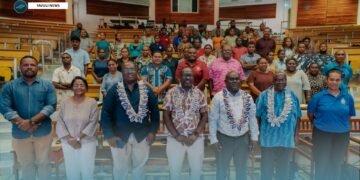
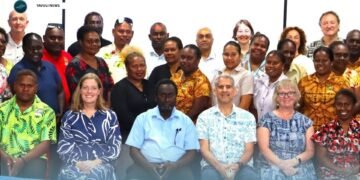
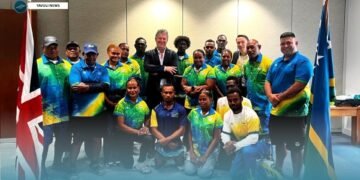
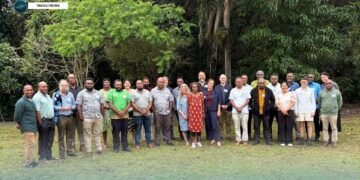
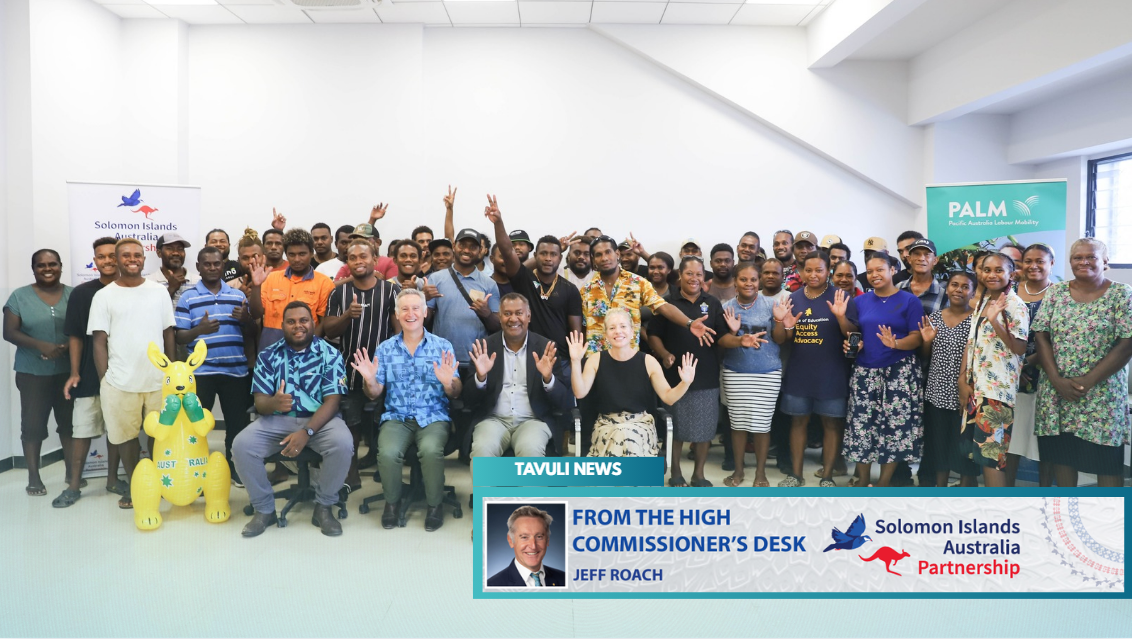
Last week, I had the privilege of joining a predeparture briefing for 53 PALM workers and their families. This cohort will soon travel to Australia to take up positions in the meatworks and horticulture industries.
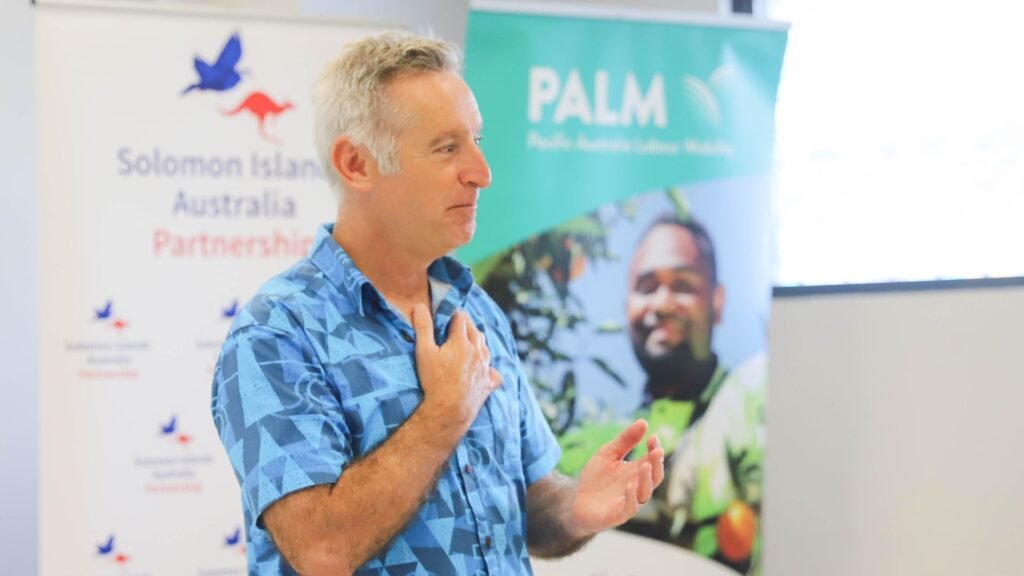
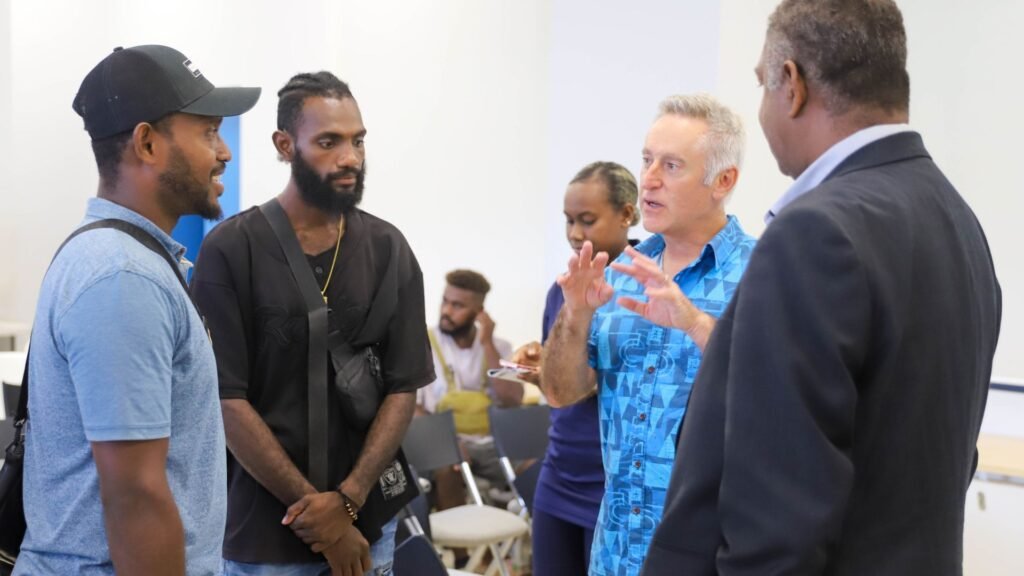
I met people who had worked in Australia previously and had done such a good job their Australian employers had asked them to return. This is an important point to understand: it is employers who make decisions on how many workers to employ, not the Australian Government.
When I met these workers, many of them shared stories about how the scheme has improved their lives and enabled them to support community development back home.
One such worker was Maron, who told me he is returning to Australia for a second deployment after spending four years in the meat industry. Through his hard work during his first deployment, he was able to build a family home – an achievement his mother Jenny spoke proudly about.
Meeting Jenny was also a powerful reminder that the families who stay behind are also making a big sacrifice in being separated from their loved ones. Stories like Maron’s and Jenny’s highlight Solomon Islanders’ determination to overcome challenges and seek out opportunities – a part of the national character that helps drive forward the Solomon Islands-Australia partnership.
PALM isn’t just about creating offshore jobs. When PALM workers return to Solomon Islands, they bring with them the new skills they’ve learned that they can deploy in the domestic economy. That’s why my focus is to ensure all of Australia’s programs in Solomon Islands are working to create jobs for locals and use local materials and companies wherever possible.
I’m proud of our success so far, and looking ahead, I’m pleased to see an even greater focus on upskilling Solomon Islanders to prepare them for jobs in different sectors, both at home and abroad.
Ultimately, PALM is a great expression of the two way partnership between our countries – a partnership that benefits both of us but is ultimately about the growth, strength and prosperity of Solomon Islands.
Lukim iu neks taem!