






























Australia supports safer, climate-resilient infrastructure through training for Solomon Islands contractors and agencies
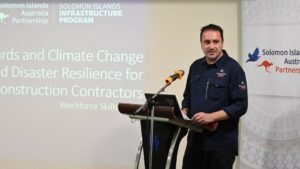
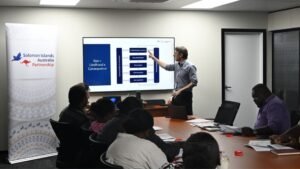
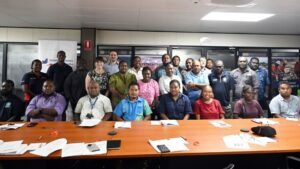
The Australia-supported Solomon Islands Infrastructure Program is working with government and industry to strengthen the safety and resilience of infrastructure across Solomon Islands.
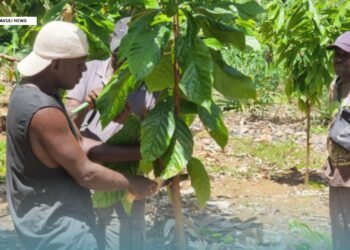
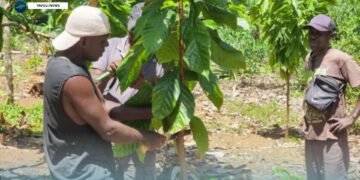
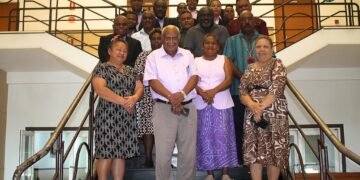
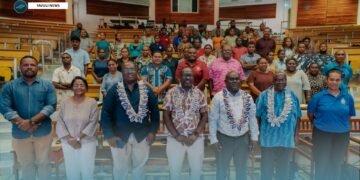
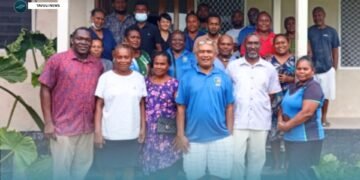
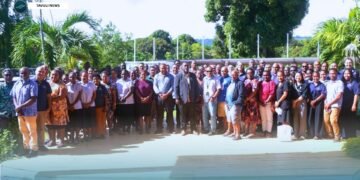
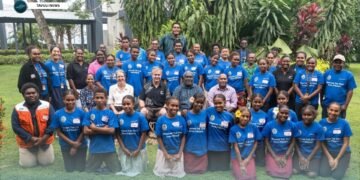
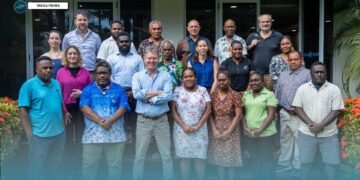
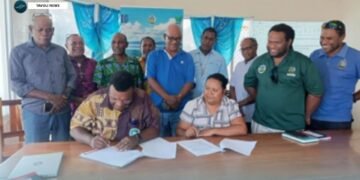
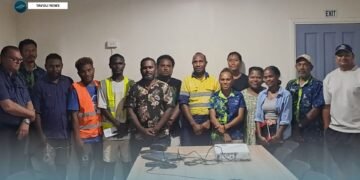
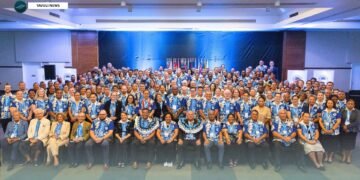
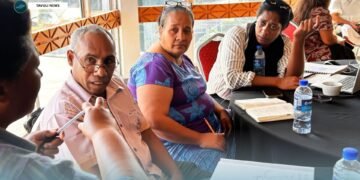
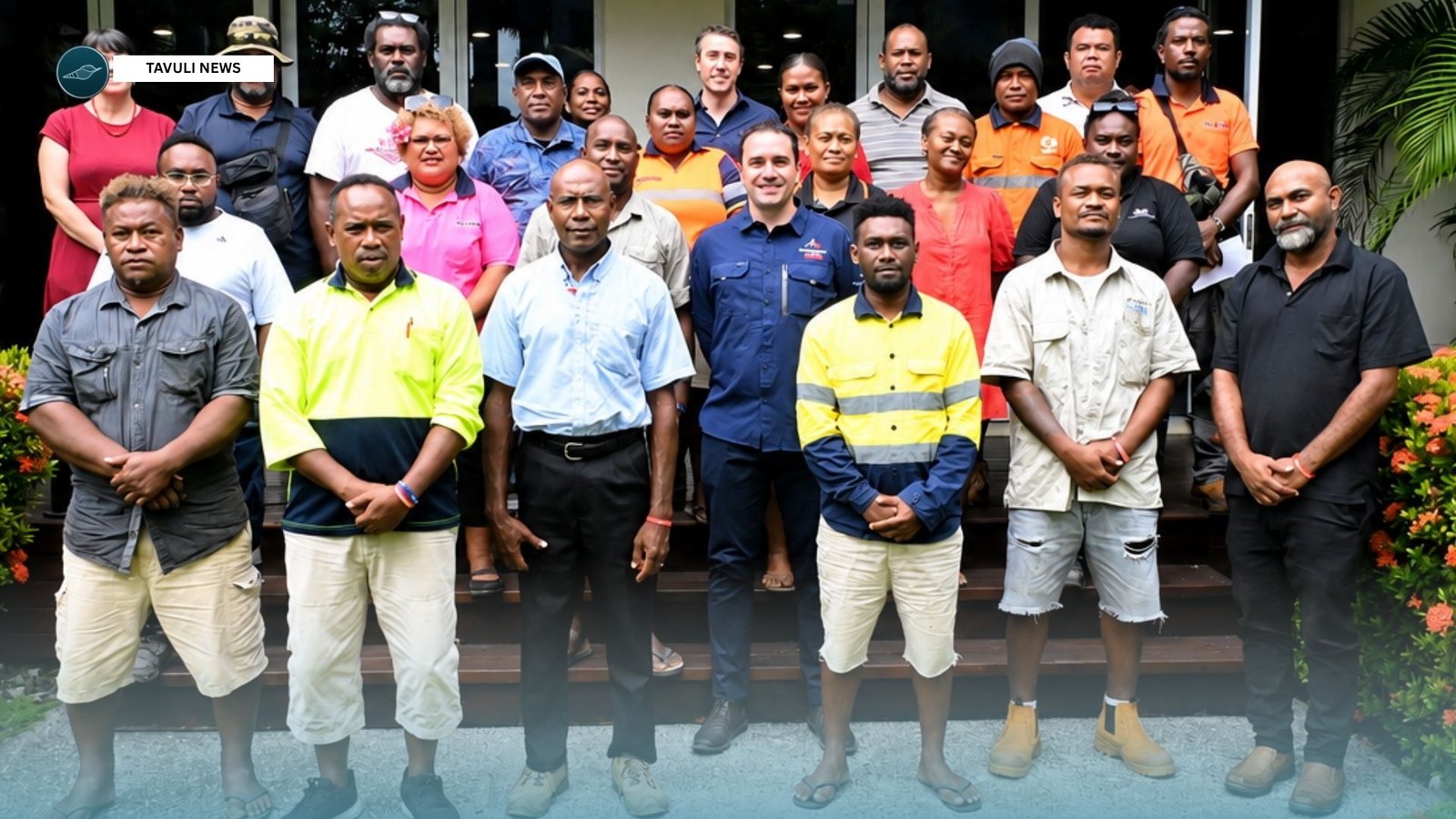
Through targeted workshops with local construction contractors and government agencies, participants engaged in practical demonstrations of national social and environmental safeguard requirements, alongside best practice approaches to climate and disaster-resilient infrastructure design and delivery.
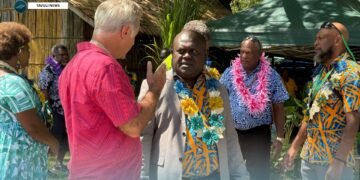
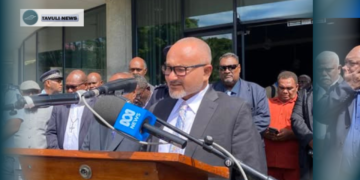
Australian Acting High Commissioner, Andrew Schloeffel, said strong cooperation across policy, industry and project sites was already delivering more resilient infrastructure outcomes.
“Cyclone Maila demonstrated once again the devastating impact of climate and natural disasters on Solomon Islands schools, clinics and roads,” Acting High Commissioner Schloeffel said.
“Careful safeguards management, combined with effective planning, design and construction, helps keep workers and communities safe during delivery—and ensures infrastructure can better withstand the impacts of a changing climate.”
The workshops focused on Solomon Islands regulatory requirements, contractor responsibilities, environmental management, risk assessment, and preparedness for natural disasters and unexpected incidents.
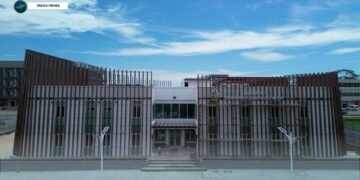
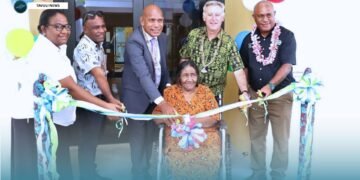
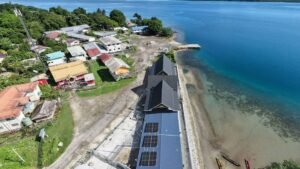
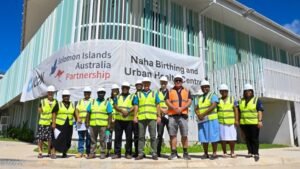
These principles are already being applied across Australian-supported infrastructure projects, with markets, including Gizo, Buala, Seghe and Malu’u, designed to withstand Category 5 cyclones and equipped with large water storage capacity to support communities during shortages. Similarly, the recently completed Naha Birthing and Urban Health Centre also incorporates climate-smart and disaster-resilient features, designed to withstand flooding, fire and earthquakes while maintaining patient comfort through passive cooling—reducing reliance on costly air conditioning.
Acting High Commissioner Schloeffel said embedding climate and disaster resilience from the outset reduces delays, lowers long-term costs, and extends the lifespan of infrastructure.
“Through the Solomon Islands Infrastructure Program and other Australian investments, we are working with government and industry to set a new benchmark for planning, building and maintaining infrastructure that keeps people safe and serves communities for longer,” Acting High Commissioner Schloeffel said.
“Ultimately, this partnership is about building better infrastructure while protecting the communities and environments it supports.”
The Australia–Solomon Islands Partnership continues to strengthen skills and promote safer infrastructure practices, delivering long-term benefits for communities across Solomon Islands.
Source://Australian High Commission Press Release