






































































By Georgina Kekea in Beijing
Disclaimer: This article reflects the author’s personal observations and views and is written in a personal capacity.
Until our visit to the Chengdu Research Base of Giant Panda Breeding in Sichuan Province, I had never heard of the term “panda diplomacy”. I knew giant pandas were among China’s most recognisable national symbols. What I did not realise was that, for decades, they have also played a role in China’s relations with other countries. Our visit formed part of the China International Press Communication Center programme, which brings together journalists and media and communication professionals from across Asia and the Pacific. Coming from countries with different histories, cultures and political systems, the programme has provided opportunities not only to observe China, but also to reflect on how differently countries understand development, governance, diplomacy and society.
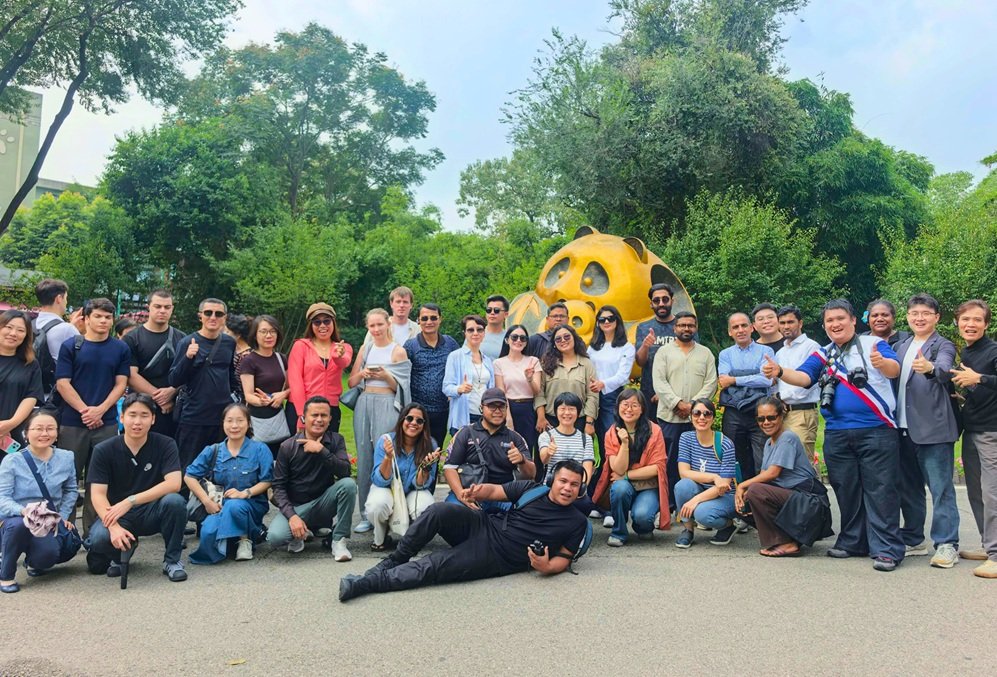
Chengdu Research Base of Giant Panda Breeding in Sichuan Province.
In Chengdu, that diversity made the visit particularly interesting because the story of the giant panda opened a wider discussion about how countries manage relationships, differences and cooperation through diplomacy. Our visit also came at an interesting time.
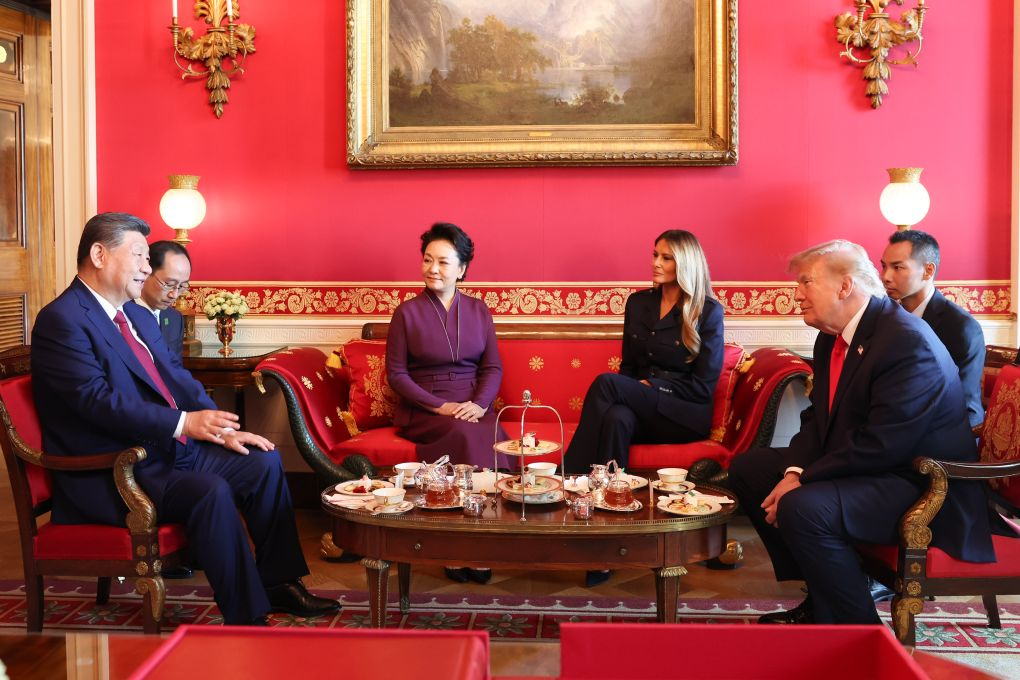
Just days later, two giant pandas born at the Chengdu research base, Ping Ping and Fu Shuang, arrived at Zoo Atlanta in the United States on September 27. Their arrival formed part of a new conservation research agreement between Zoo Atlanta and the China Wildlife Conservation Association. The agreement itself had been announced earlier in the year. But during Chinese President Xi Jinping’s September meeting with US President Donald Trump, Xi publicly highlighted the pandas’ impending arrival and described them as an “envoy of friendship”. The timing was striking.
China and the United States continue to disagree and compete across major areas including trade, technology and security. Yet diplomatic engagement continues. And so do the pandas. That, perhaps, is the bigger story. Diplomacy does not mean agreement. In Solomon Islands and across the Pacific, international relationships are often discussed in terms of alignment: who a country works with, what that cooperation means and whether closer relations with one partner affect relations with another. China. The United States. Australia. Indonesia. Taiwan. West Papua. Security. Development assistance. These issues can easily become emotionally charged. But diplomacy is more complicated than simply agreeing or disagreeing with another country. Countries can disagree strongly and still talk to one another. They can compete economically while cooperating in other areas. They can defend their national interests while maintaining diplomatic relations. Diplomacy is one of the ways countries manage those differences. It is not the absence of disagreement. It is the process of dealing with disagreement without allowing every difference to become hostility. The China-US relationship illustrates that complexity. The two countries compete in many areas, but they also maintain official channels of communication, negotiate and cooperate where interests overlap. Panda diplomacy sits within that much larger relationship.
More than a cute symbol
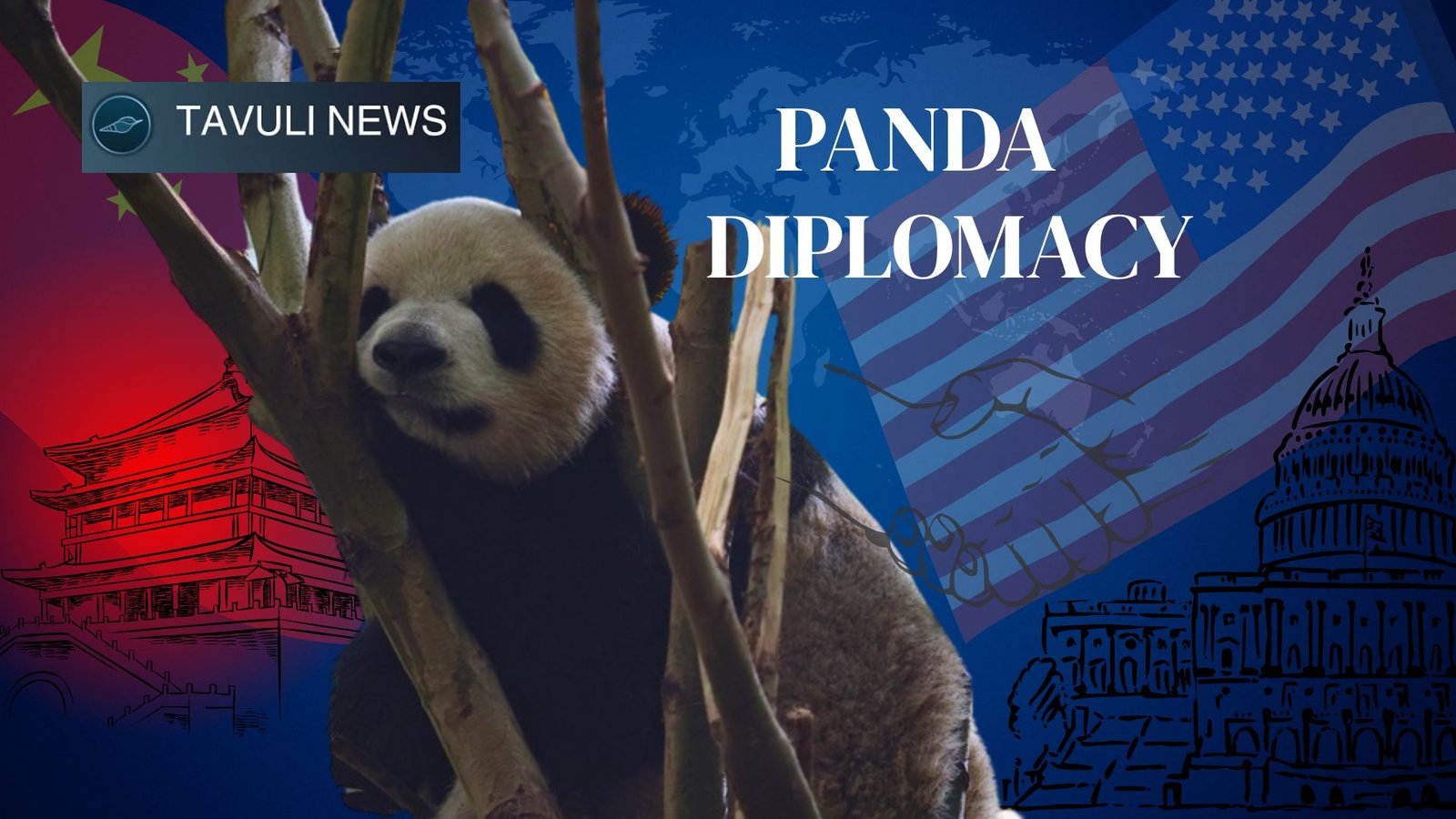
China’s use of giant pandas as symbols of goodwill is not new. Following US President Richard Nixon’s historic visit to China in 1972, China sent two giant pandas, Ling-Ling and Hsing-Hsing, to the United States. The pandas arrived at the Smithsonian’s National Zoo in Washington that year and became popular symbols of the changing relationship between the two countries. Over time, China moved away from gifting pandas and developed loan and conservation arrangements with overseas zoos instead. That practice has become widely known as “panda diplomacy”. It does not mean pandas determine foreign policy. Nor does the arrival of pandas mean disagreements between countries have disappeared. Rather, it demonstrates that relations between states can operate on several levels at once. There can be competition in one area and cooperation in another. There can be disagreement alongside dialogue. And symbolic gestures can sometimes help maintain a relationship even when larger political differences remain. That is an important point for small states such as Solomon Islands. International relations are rarely as simple as choosing one country and rejecting another.
The other lesson from Chengdu
The Chengdu Research Base itself also offers another lesson. Established in 1987, the base began with six giant pandas rescued from the wild and developed into a major centre for breeding, scientific research, conservation education and public awareness. It is also a major visitor attraction. Its official ticketing system currently allows for a maximum daily visitor capacity of 85,000, illustrating the enormous public interest surrounding the pandas. On the day of our visit, that interest was obvious. Domestic and international visitors moved through the base in large numbers, many arriving early for the opportunity to see the pandas up close. What stood out was how conservation, science, public education and tourism had been brought together around a single species. The panda is not treated only as an animal to be protected. It is also connected to scientific research, conservation education, tourism and China’s international engagement.

interest surrounding one of China’s most recognisable species.
That raises an interesting question for Solomon Islands. We do not have giant pandas. But Solomon Islands has natural assets found in few other places. Our reefs, lagoons, forests, endemic birds, marine life, traditional knowledge and cultural heritage all have scientific, environmental, cultural and economic value. The question is whether we fully recognise that value. Conservation does not necessarily have to stand apart from tourism, research and education. When properly managed, each can support the other. A protected species or ecosystem can become something children learn about, scientists study, visitors travel to see and local communities have an economic incentive to protect. That is perhaps one of the practical lessons places such as Chengdu can offer Solomon Islands.
Looking beyond geopolitics
For Pacific countries, geopolitics will continue to influence our relationships with larger powers. China, the United States, Australia and other partners will pursue their own national interests. So will Solomon Islands. But sovereignty also means being able to maintain relationships with different countries while making decisions according to our own national interests. Cooperation with one country does not automatically require hostility towards another. Countries can disagree. They can raise concerns. They can protect their interests. And they can still talk. That is diplomacy. Our visit to the Chengdu Research Base began as an opportunity to see one of China’s most famous animals. But behind the pandas was a much bigger story. There was conservation. There was science. There was tourism. And there was diplomacy. Sometimes diplomacy happens across a negotiating table. And sometimes, rather unexpectedly, it arrives on four paws.
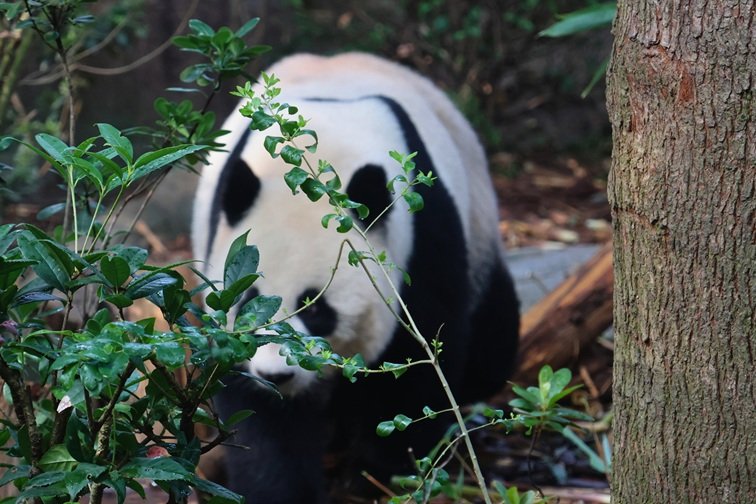
conservation and scientific research with education and tourism.