









By Georgina Kekea | Beijing, China
Disclaimer: This article reflects the author’s personal observations and views and does not represent the position of any organisation with which the author is professionally associated.
“We teach the students to fish, not give them fish.”
The principal’s words during our visit to Beijing Academy stayed with me. He explained that students who are nurtured and properly looked after can grow into good citizens.
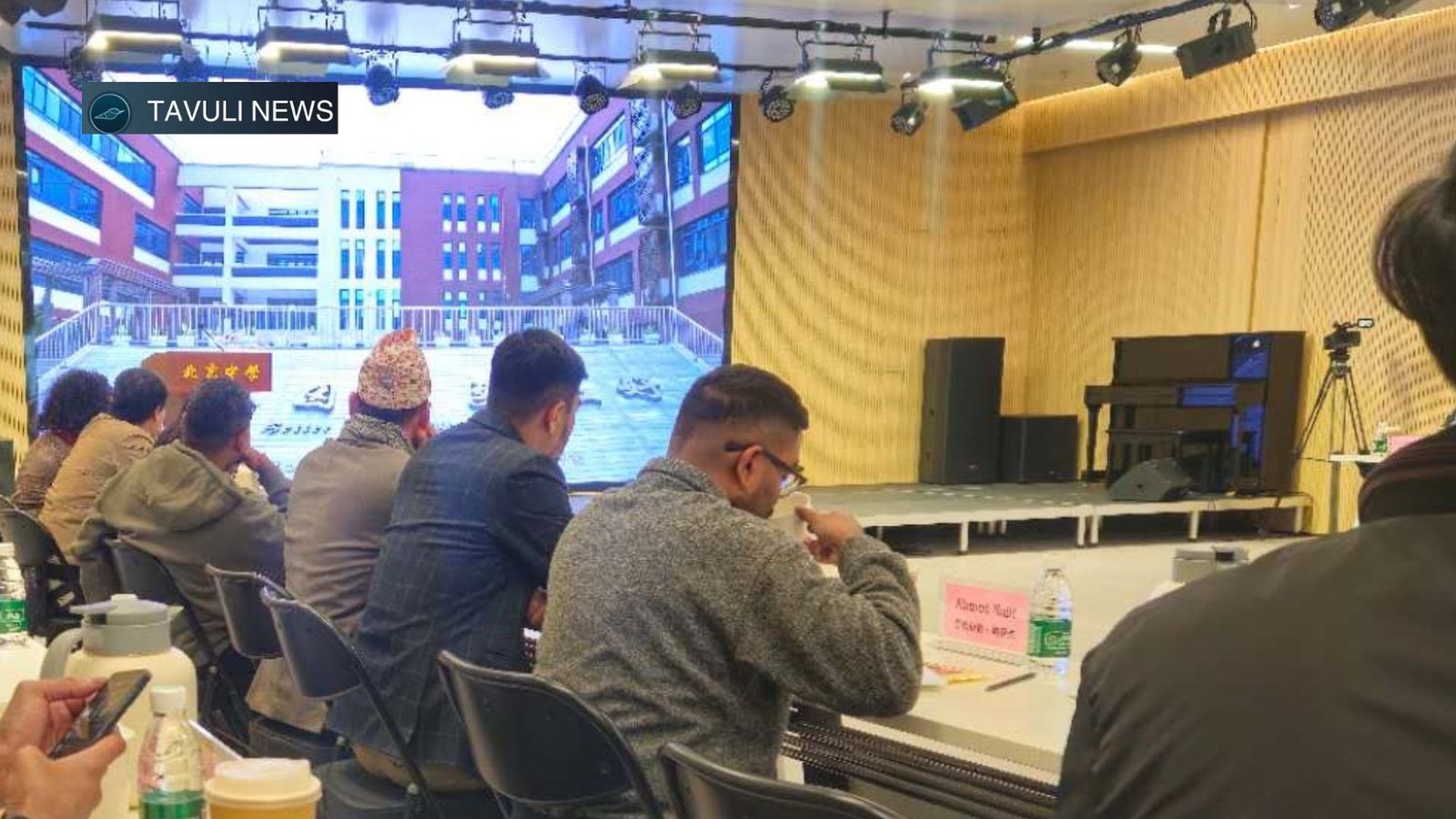
The visit on 28 October formed part of the China International Press Communication Center’s Asia-Pacific programme. Alongside touring the facilities, we interacted with students and sat in on a class.
It was in that classroom that the school’s approach made its strongest impression.
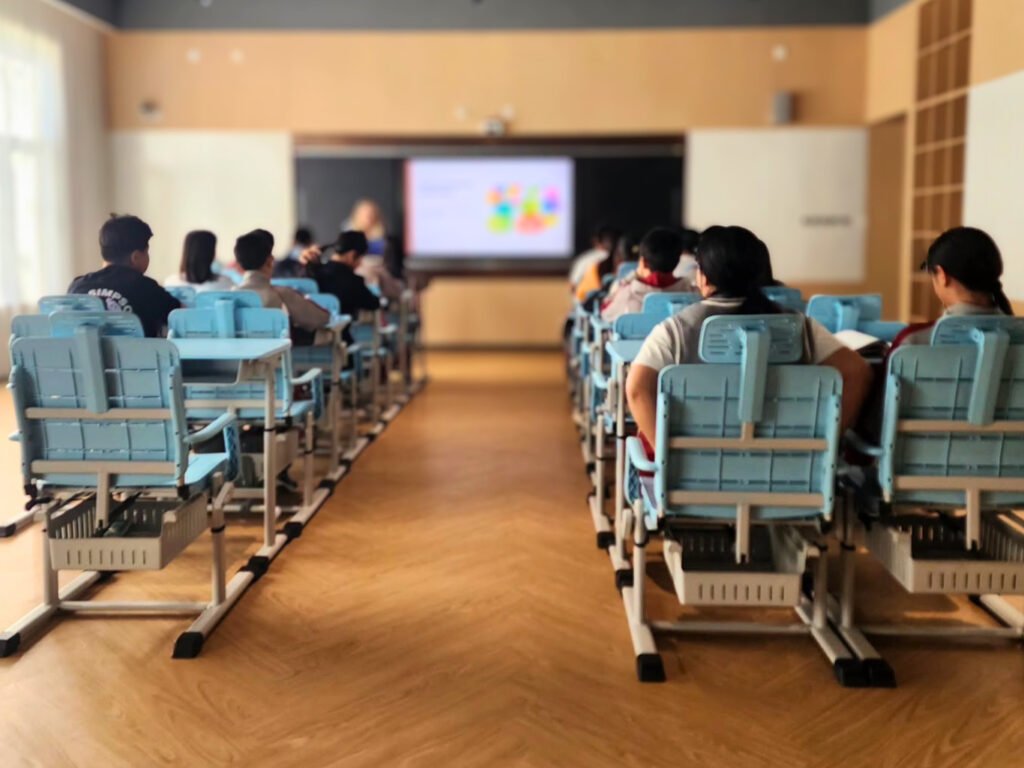
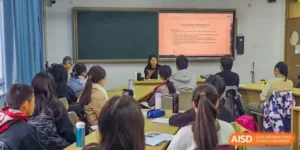
We observed a Year 7 Global Perspectives lesson focusing on languages. These students were at roughly the same stage as our Form 1 students in Solomon Islands.
An expatriate teacher guided the discussion, but the students contributed much to the session. They were eloquent, attentive and confident in expressing their ideas. They listened and responded, participating comfortably in a lesson that encouraged them to think and speak.
Listening to these young students, I could not help reflecting on classrooms back home.
What encourages a child to stay interested in a lesson? What makes school a place they want to return to? How well do we understand the needs of the students sitting in front of our teachers?
Those questions followed me beyond the classroom.
During our visit, we also interacted with Year 9 students, equivalent to Form 3 in Solomon Islands. At about 14 years old, some already spoke clearly about the futures they hoped to pursue.
One girl told us she wanted to work in foreign affairs.
She was studying in the school’s international programme and was a boarding student. Six students shared her room. She explained that they mostly ate on campus and returned to their room to sleep.
Her favourite place was the library.
That detail stayed with me. On a campus with impressive facilities, the library was the space she enjoyed most. She had found somewhere within her school environment where she wanted to spend her time.
Her career ambition may change as she grows older. At 14, there should be room to explore different possibilities. What impressed me was her ability to imagine a future for herself and speak about it with confidence.
The academy’s main campus opened in September 2025. Its facilities reflected considerable investment in the students’ learning environment.
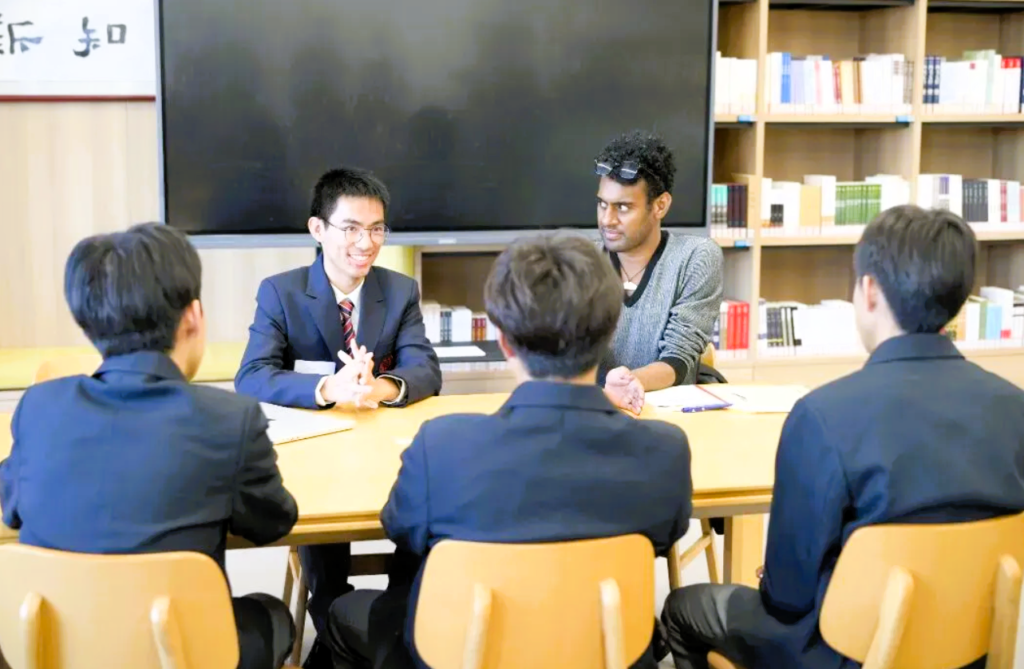
The principal spoke of the ambition to make Beijing Academy the best educational institution in China. He emphasised resilience and character alongside academic achievement.
The school’s introduction describes research projects, student-led clubs, volunteering and learning beyond the campus. Its motto, “Better Me, Better World”, connects students’ personal development with their contribution to society.
During the visit, school representatives also described links with Huawei and Microsoft and a partner school in the United States. These connections suggested opportunities for students to encounter ideas and experiences beyond their immediate surroundings.
A brief visit cannot reveal the full experience of a school. Nor can one well-equipped institution represent education across China. But what we observed gave us a useful starting point for reflection.
Meanwhile, reports from Honiara in October of young people allegedly involved in assaults, intimidation and damage to school property painted a troubling picture.
Thinking about the students we met in Beijing, while reading about these incidents back home, was painful. It made me question the opportunities, guidance and sense of belonging we provide for our young people.
These reports should not define an entire generation. Solomon Islands has capable, ambitious young people, including many who work hard under difficult circumstances.
But when being a “gangster” becomes something some young people admire, we need to pay attention to what attracts them to that identity. Where else can they find recognition, companionship and a sense of purpose?
Parents and guardians have a responsibility to guide their children, set boundaries and teach respect for others. Schools, churches and communities also shape the environments in which children grow.
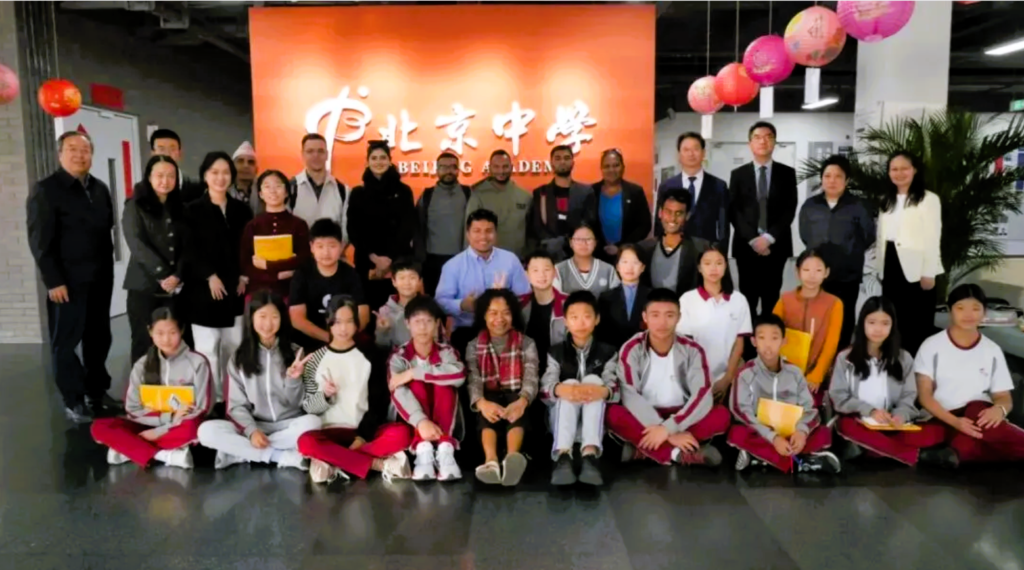
There is no basis for assuming that an uninteresting classroom causes youth violence. The reasons young people become involved in harmful behaviour are complex. Nevertheless, their engagement with school deserves serious attention.
Who notices when a child begins to lose interest? What happens when a student repeatedly falls behind? Is there someone they can turn to before frustration becomes withdrawal, or before they stop attending altogether?
These questions belong at the centre of the debate about Solomon Islands free education plans, particularly as the Government prepares for their progressive introduction from 2027.
The Government has outlined plans for the progressive introduction of free education from 2027, alongside curriculum reform, teacher development and stronger education governance. The question is how those commitments will translate into everyday learning.
Free education is well and good. Removing financial barriers can give children opportunities their families might otherwise struggle to afford. No child should lose the chance to learn because their parents cannot pay.
But will it be quality education? How will the promise translate into what children experience each day?
That is the question the Beijing visit brought into focus for me.
A classroom with desks and chairs is necessary. Yet providing a physical place for children to sit does not, by itself, ensure that learning takes place.
Children need effective teaching, appropriate materials and lessons that engage their minds. They need opportunities to ask questions, explain their thinking and discover what they can do.
They also need to understand why their learning matters.
If we do not pay attention to those needs, we risk counting enrolments while overlooking whether students are learning, participating or becoming discouraged.
Public money may bring more children into school, but its lasting value will depend on the education they receive once they arrive.
Do we know what interests our students? Do we understand the difficulties affecting their ability to learn? Are teachers supported to respond to different abilities, learning needs and circumstances?
A child struggling with reading needs help. A student who learns well through practical activities needs opportunities to develop those strengths. A young person facing difficulties at home may need support that extends beyond the lesson.
Understanding students requires time, capable teachers and school leadership that takes their wellbeing seriously.
This places responsibilities on the Government as well. If financial barriers are removed and enrolment grows, schools must be prepared for the additional demand. Teachers, classrooms, learning materials and school operating funds all need to form part of credible planning.
Otherwise, “free education” risks remaining a slogan whose promise exceeds what schools can deliver.
Questioning quality is part of taking that promise seriously. Families deserve to know that their children’s time in school will help them develop knowledge, useful skills and the confidence to continue learning.
The visit did not persuade me that Solomon Islands should copy Beijing Academy. Our geography, resources and communities require an approach suited to our circumstances.
We also have strengths of our own.
Watching the lesson on languages, I thought about the possibilities in Solomon Islands classrooms. Our students live among remarkable linguistic and cultural diversity. Their own experiences could provide rich material for discussions about identity, communication and the wider world.
Making learning interesting does not always require expensive technology. It can begin with a well-prepared lesson, a thoughtful question, a book that captures a child’s interest or an opportunity to connect classroom learning with everyday life.
That does not remove the need for investment. It helps clarify what investment should support.
Nor must every child have a settled career plan by Form 3. Education should give students room to discover their strengths and explore different futures, whether in a profession, a trade, agriculture, business, the arts or community service.
The principal’s words about teaching students to fish expressed an ambition worth considering at home: helping young people develop the ability to make their way in the world and contribute responsibly to it.
I left Beijing Academy thinking about the girl who loved the library. Somewhere in Solomon Islands, another child has an equally worthwhile ambition, perhaps still waiting for the opportunity to discover it.
Free education could help that child reach the classroom door. Whether the money is spent wisely will depend on the quality of learning, guidance and opportunity waiting inside.