



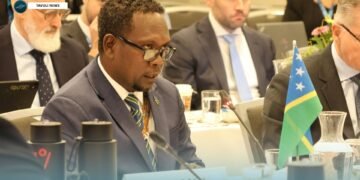


















PM Matthew Wale says U.S. and Japan visits strengthened ties, investment talks and development partnerships.
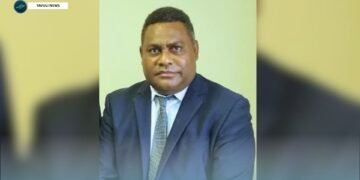
Prime Minister Matthew Wale’s U.S. visit and discussions in Japan have strengthened Solomon Islands’ engagement with key partners, focusing on investment, infrastructure, education and maritime cooperation.
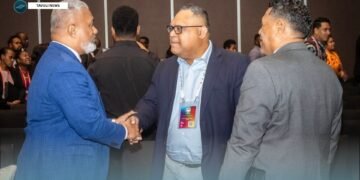
The Matthew Wale U.S. visit included meetings with American officials, development agencies and private sector representatives to discuss economic cooperation, including support for the Bina Harbour Project and future investment opportunities.
Mr. Wale returned to Solomon Islands today after holding meetings with senior government officials, development agencies and private sector representatives in Washington and Tokyo.
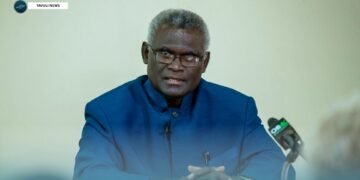
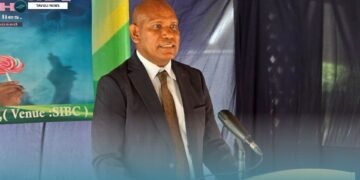
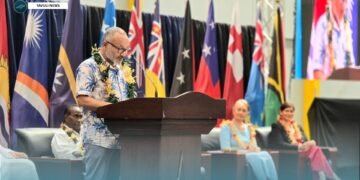
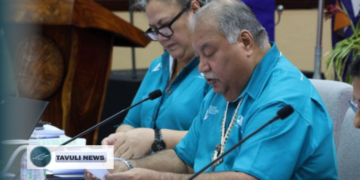
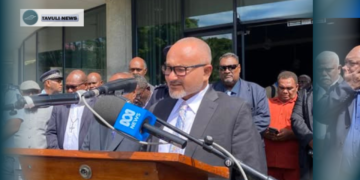
Speaking at a press conference in Honiara upon arrival, the Prime Minister described the engagements as “productive and fruitful”, saying they marked a renewed effort to strengthen partnerships that support Solomon Islands’ development priorities.
The visits come as the Government for Reform, Empowerment, Accountability and Transparency (GREAT) Coalition seeks greater external support for economic growth, infrastructure development and job creation.
Matthew Wale U.S. visit focuses on Bina project
A major focus of Mr. Wale’s visit to the United States was the proposed Bina Harbour Project in Malaita Province.
The Prime Minister said discussions with U.S. Deputy Secretary of State Christopher Landau, the U.S. International Development Finance Corporation (DFC), the Millennium Challenge Corporation (MCC) and other stakeholders centred on potential support for infrastructure required to attract private sector investment to Bina.
He said the discussions covered possible development of a wharf, power supply, water infrastructure and storage facilities.
Mr. Wale said U.S. officials remained interested in supporting the project but wanted further details before funding arrangements could be considered.
“They want to move quickly. We are slow,” Mr. Wale said in a video update from Washington.
He said a U.S. technical team would visit Solomon Islands in August to continue discussions, while the DFC would also engage with the Government and private sector on possible investment opportunities.
Although no funding agreement has been signed, Mr. Wale said he was confident the United States would support the project.
The Prime Minister said discussions with U.S. officials also covered broader economic opportunities, including initiatives aimed at expanding manufacturing and processing industries.
Peace Corps return planned
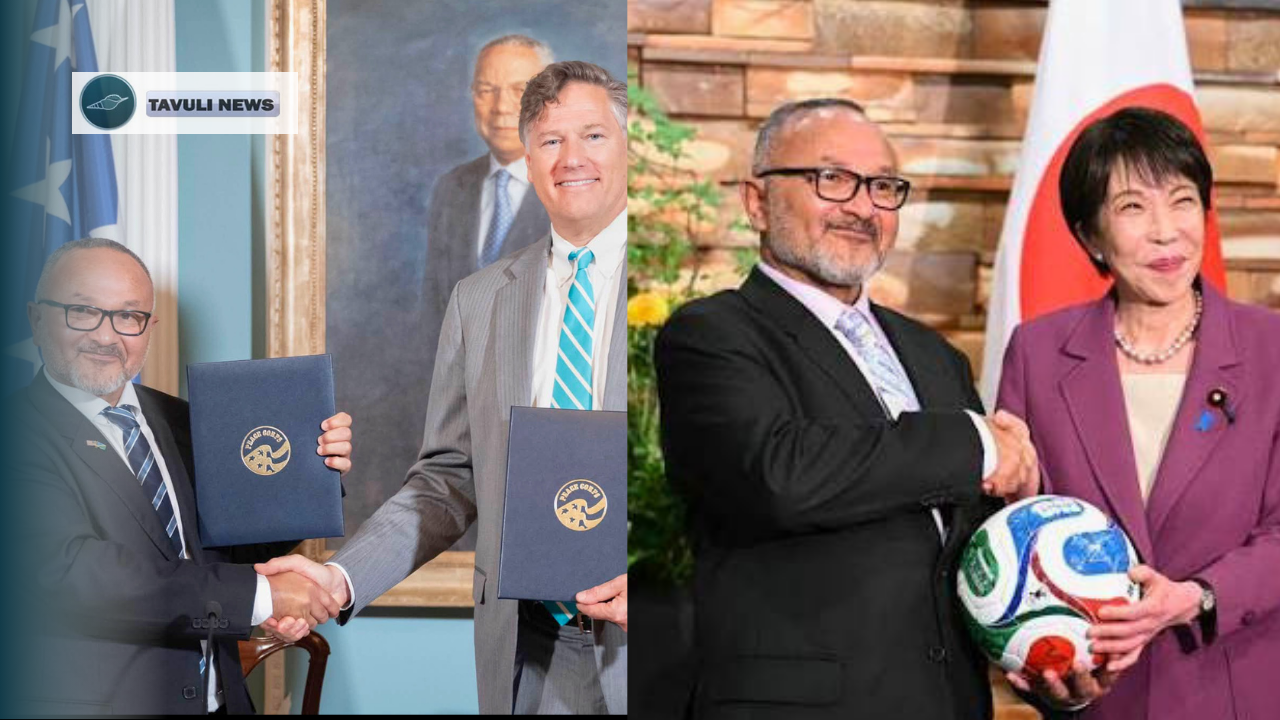
During the Washington visit, Solomon Islands and the United States also signed a Letter of Intent to support the return of the Peace Corps programme.
Mr. Wale said the return of Peace Corps volunteers would provide another area of cooperation between the two countries.
The Peace Corps previously operated in Solomon Islands before ending its programme in the country in 2000.
Japan support discussed
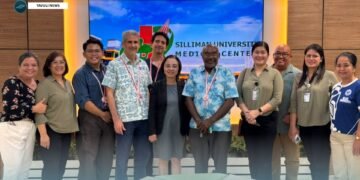
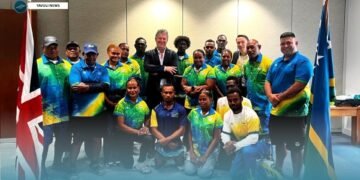
Mr. Wale’s visit to Japan included meetings with Japanese Prime Minister Sanae Takaichi, government ministers, officials and representatives from the Japan International Cooperation Agency (JICA).
The Prime Minister said discussions focused on supporting Solomon Islands’ efforts to strengthen its economy and move towards more sustainable development.
“I asked Japan to stand with Solomon Islands as we shift our economy to a more sustainable footing,” Mr. Wale said in a video update from Tokyo.
He said Japan had expressed confidence in the GREAT Coalition Government and indicated continued support for Solomon Islands.
Mr. Wale said a concessional loan from Japan would support the Government’s free education policy.
He also announced that the Nippon Foundation had committed to supporting the construction of a science, technology, engineering and mathematics (STEM) school in Solomon Islands.
The Prime Minister acknowledged that Japan had previously expressed concerns over the state of bilateral relations but said the visit provided an opportunity to rebuild confidence.
Maritime agreement set for signing
The U.S. visit also preceded the signing of a new maritime cooperation agreement between Solomon Islands and the United States.
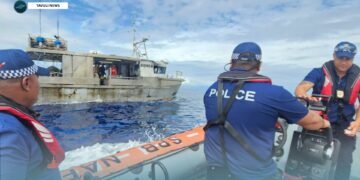
The Agreement Concerning Counter Illicit Transnational Maritime Activity is scheduled to be signed in Honiara on Tuesday 28 July 2026 during the visit of the U.S. Coast Guard Cutter Harriet Lane.
The United States Embassy in Honiara said the agreement is aimed at strengthening cooperation against illicit maritime activities, including illegal fishing and other transnational crimes.
The Embassy said the agreement allows Solomon Islands to determine which vessels are targeted for law enforcement action within its Exclusive Economic Zone, identify violations and decide on penalties and follow-up procedures.
Opposition raises sovereignty concerns
The planned agreement has drawn criticism from Opposition Leader Manasseh Sogavare, who has called on the Government to release the full agreement before signing.
Mr. Sogavare said agreements of this nature required public scrutiny and questioned whether sufficient safeguards had been included to protect Solomon Islands’ sovereignty over its maritime areas.
He also questioned whether the agreement had received formal approval from Cabinet and the Government Caucus before the planned signing.
The Opposition Leader argued that Solomon Islands should carefully consider the legal implications of any agreement involving foreign maritime law enforcement activities.
The Government has not publicly responded to the Opposition’s claims regarding the approval process or specific provisions of the agreement.
Foreign policy approach
Mr. Wale said Solomon Islands would continue maintaining relationships with all partners, including China, Japan and the United States.
He said the Government remained focused on development outcomes rather than geopolitical competition.
“We are not into geopolitics. Let the big boys do geopolitics,” Mr. Wale said.
“We are just interested in developing Solomon Islands.”
The Prime Minister said his Government would continue working with international partners to attract investment, strengthen infrastructure and create economic opportunities.
The next steps from the overseas engagements are expected to include further technical discussions on Bina Harbour, continued cooperation with Japan on development programmes, and the signing of the maritime agreement with the United States.
Ends///