

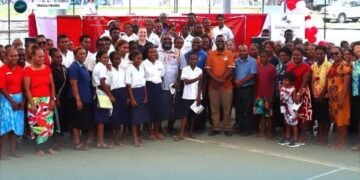






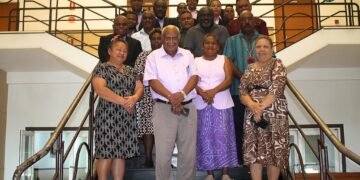





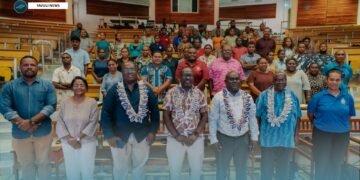



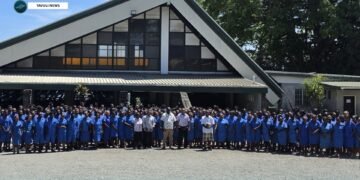
































Women account for 63% of SINU’s latest graduates, with 742 students completing studies across five faculties.
By Steven Kamoa
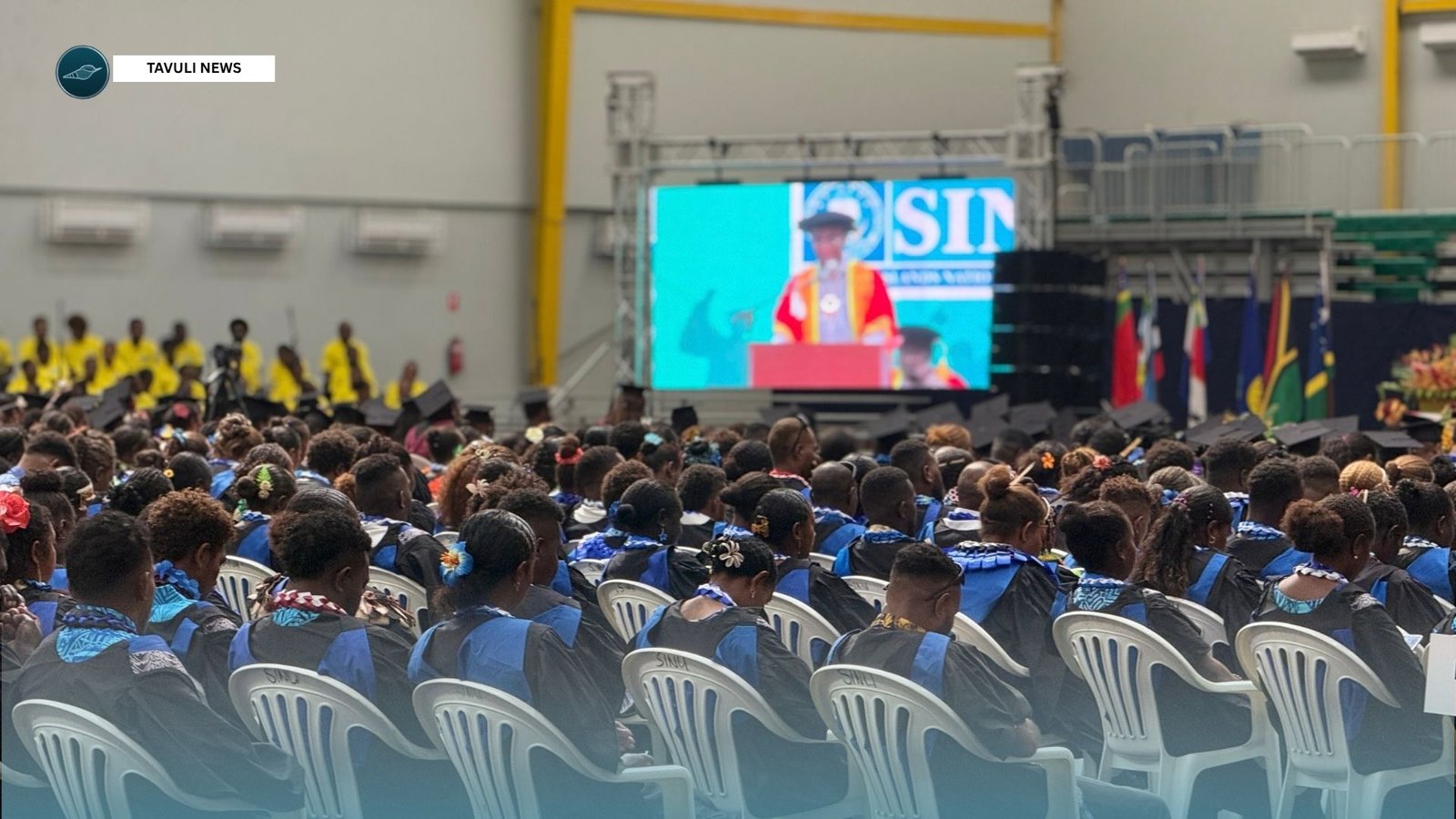
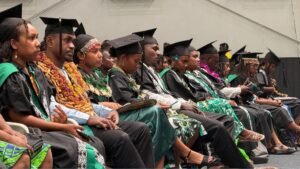
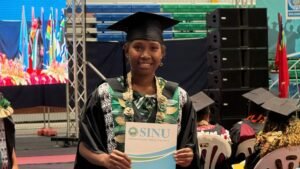
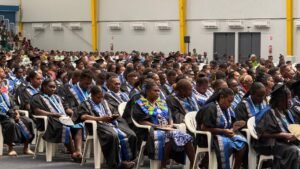
Solomon Islands National University has graduated its second cohort for 2026, with 742 students receiving their certificates, bringing the university’s total number of graduates this year to 1,749.
The latest cohort follows the first graduation in April, when 1,007 students graduated from SINU.
Women accounted for 471 of the latest graduates, compared with 271 men, making up about 63 percent of the graduating class.
Women were the majority of graduates in four of SINU’s five faculties, including Education and Humanities, Business and Tourism Studies, Nursing, Medicine and Health Studies, and Agriculture, Fisheries and Forestry.
However, the gender breakdown was different in Science and Technology and Technical and Vocational Education and Training (TVET).
Of the 48 graduates in Science and Technology, eight were women and 40 were men. All 24 TVET graduates were men.
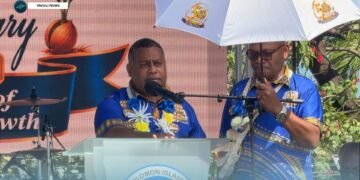
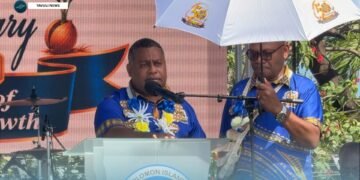
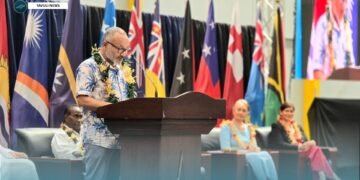
SINU Vice Chancellor Dr Transform Aqorau said the figures highlighted the need to encourage greater participation by women in science, technology and trades, while also encouraging more men to consider professions such as teaching and nursing.
“We must encourage more women to pursue science, technology and trades, while also supporting more men to enter teaching, nursing and other fields where their contribution is equally needed,” Dr Aqorau said.
He also encouraged the graduating students to apply their knowledge and skills to the development of Solomon Islands.
“You did not come this far simply to inherit the future. You have earned the chance to help shape it,” he said.
The 742 graduates completed studies across areas including education, business, health, agriculture, fisheries, forestry, science, technology and vocational training.
Dr Aqorau congratulated the graduates and said their achievements represented an important contribution to their families, communities and the country.
The university expects the graduates to enter workplaces and communities across Solomon Islands, applying the knowledge and skills gained through their studies.