









Transparency Solomon Islands calls for youth inclusion and public access to the amended Mineral Resources Bill 2026.
The future of Solomon Islands’ mineral resources is also the future of its young people. Yet many youths are not being asked to contribute to the consultations on the proposed Mineral Resources Bill nor having access to the actual amended Bill being discussed.
Transparency Solomon Islands (TSI) believes meaningful public participation requires transparency, access to information, and laws that ordinary citizens can understand.
The Ministry responsible for mining is currently consulting stakeholders on proposed amendments to the Mineral Resources Bill 2026. However, the amended 2026 Bill has not been made publicly available. Instead, consultation materials refer to clauses that do not appear in the publicly available 2025 draft Bill, making it difficult for citizens to follow, understand, and comment on the proposed changes.
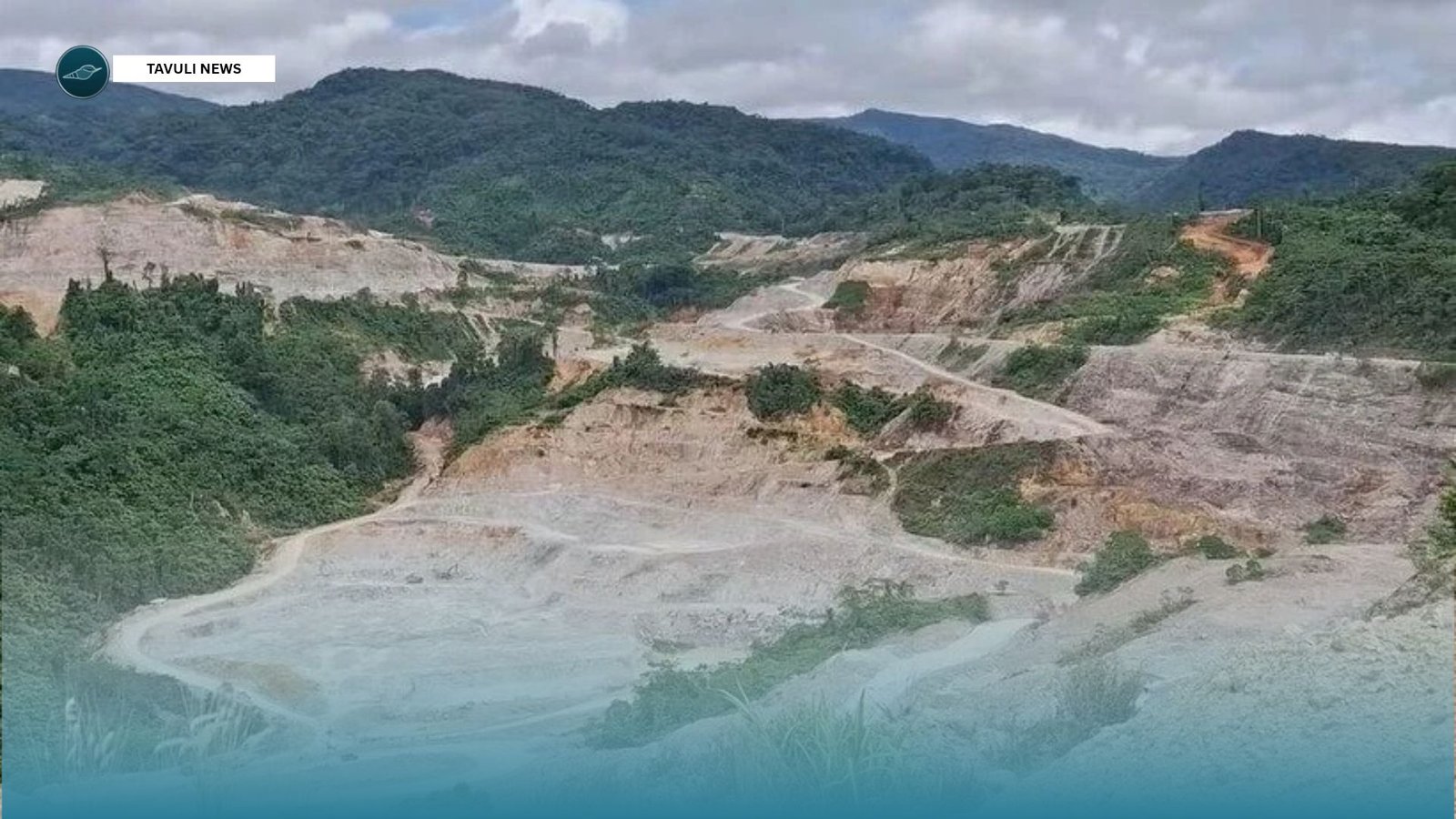
A good example is the proposed provision on alluvial mining on prospecting licence ground. According to the consultation materials, where an alluvial mining licence overlaps with a prospecting licence, the prospecting holder may object and the two licence holders must negotiate a coexistence agreement covering matters such as access, boundaries, safety, environmental management, compensation, information sharing, and dispute resolution.
However, this raises important questions. If two companies are negotiating how mining activities will occur on customary land, where do customary landowners fit into the process? The consultation materials suggest the agreement is between the two licence holders, while landowners may only be involved if regulations later require it. Yet it is the landowners whose land, water, environment, and livelihoods may be directly affected by those decisions.
TSI believes customary landowners should be mandatory parties to any coexistence agreement affecting their land. There is also uncertainty about what happens when no objection is lodged. If no coexistence agreement is required, what rules govern access, environmental responsibilities, safety arrangements, or disputes between operators working on the same customary land? Without access to the actual proposed legislation, stakeholders cannot properly assess whether these issues are adequately addressed.
This highlights a broader concern. Citizens cannot meaningfully participate in consultations if they cannot see the legislation being discussed. Young people, in particular, cannot be expected to contribute informed views on complex legal reforms when key documents are unavailable.
Youths are the future resource owners of what is found in their tribe’s customary lands. If the Government genuinely wants customary owners of these resources including their youths, their participation or anyone’s participation, it should make the consultation process more accessible by:
- Publicly releasing the full amended Bill;
- Providing plain-language explanations of proposed changes;
- Publishing side-by-side comparisons of old and new provisions;
- Making consultation documents available online; and
- Creating opportunities for youth groups, schools, and universities to engage with the legislation.
The management of Solomon Islands’ mineral wealth will affect generations to come. Decisions of this importance must be guided by transparency, accountability, and informed public participation.
Young people are not asking for special treatment. They are asking for the opportunity to understand the laws that will shape their future and to participate meaningfully in the decisions that affect their country.
Meaningful consultation begins with access to information. Without transparency, public participation becomes difficult. Without informed participation, the voices of young Solomon Islanders risk being left out of decisions that will shape the future of their land and resources.
SOURCE// TSI Media Statement