









Solomon Islanders could have more opportunities to work in Australia and easier access to travel between the two countries under the new Australia treaty. However, the governments have yet to release details on when the changes will begin.
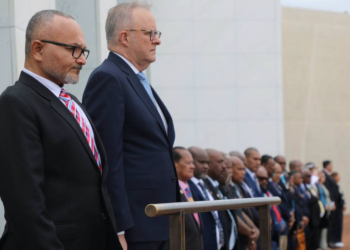
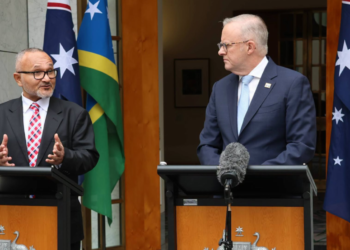
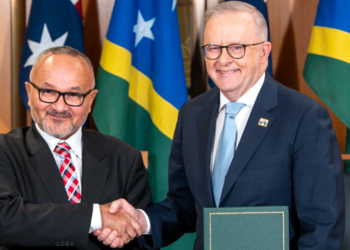
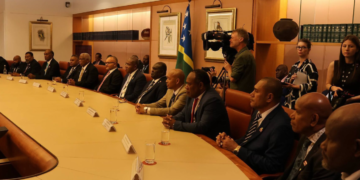
Australian Prime Minister Anthony Albanese outlined the commitments during a joint press conference with Prime Minister Matthew Wale in Canberra on 25 November.
He said Australia would create more opportunities for Solomon Islanders to work in areas such as aged care and childcare.
The treaty also provides for stronger people-to-people links through labour mobility, training, culture, sport and other exchanges.
More opportunities through labour mobility
The governments plan to expand opportunities for Solomon Islanders under existing labour mobility arrangements.
The joint statement identifies aged care and early childhood services as areas for further work. It also refers to placements in more locations and additional skills training.
These commitments build on existing cooperation between the two countries. Australia’s Development Partnership Plan for 2024–2029 already identifies aged care as an area where Solomon Islanders could access more employment opportunities.
However, the new treaty documents do not state how many additional workers Australia expects to recruit. They also do not give a timetable for the expanded opportunities.
Easier travel and a new visa office
The treaty also aims to make travel between Australia and Solomon Islands easier.
The joint statement refers to longer permitted stays, longer visa validity and visa assistance in Honiara.
Albanese also announced that Australia would open a new visa office in Honiara.
The governments have not yet specified which visa categories will benefit from the changes. They have also not announced how much longer people may be able to stay or when the new office will open.
What happens next?
The commitments create opportunities for workers, families and travellers. But people will need more information before they can know how the changes will affect them.
For workers, that means details about available jobs, recruitment numbers, training and placement arrangements.
For travellers, it means knowing which visa categories will change and when the new arrangements will begin.
The treaty sets out the direction of cooperation. The next stage will require the two governments to explain how they will put these commitments into practice.