









Glendy’s fight against a serious infection and why we must protect antibiotics
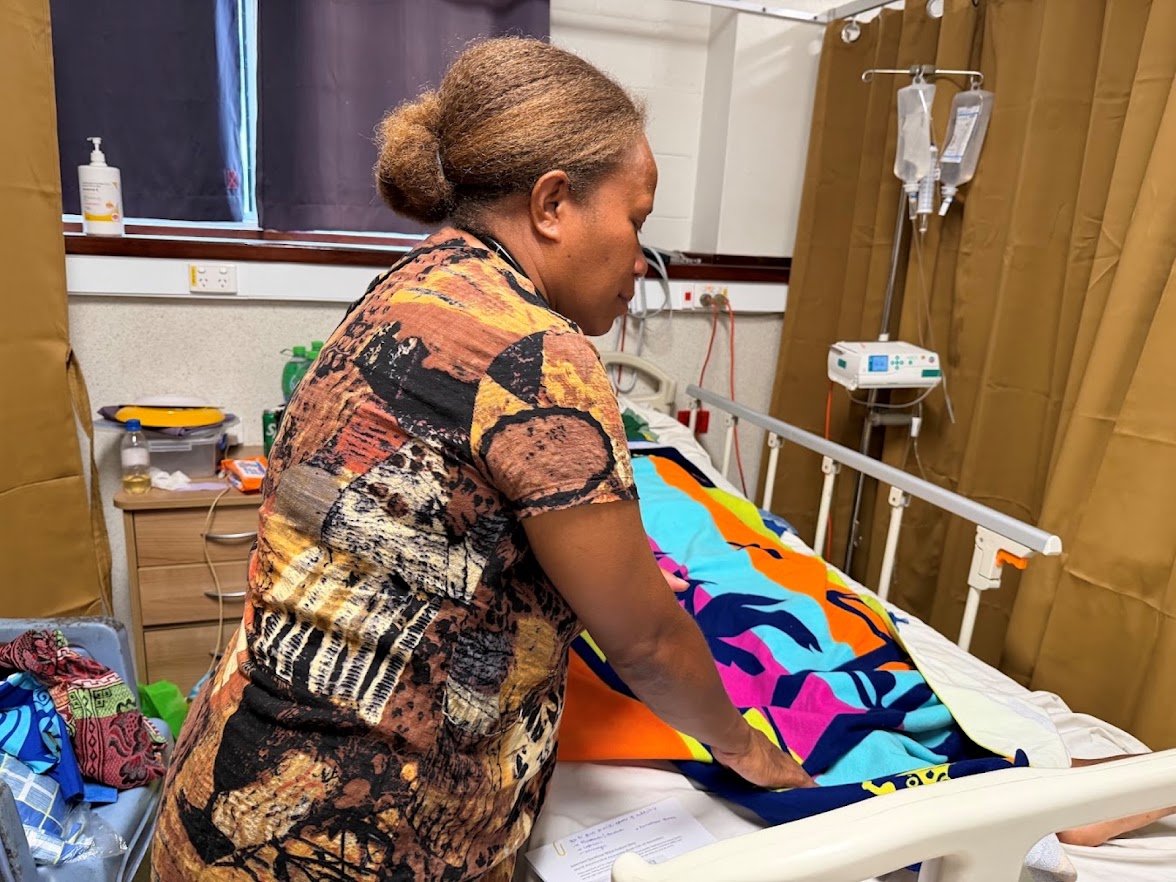
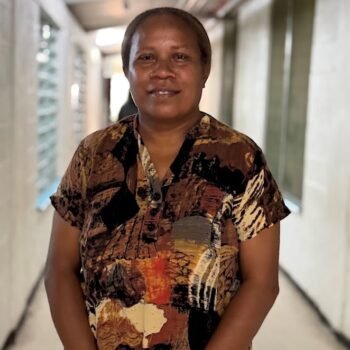
For 24-year-old Glendy William, being away from her children is the hardest part of being sick. The mother of three had been experiencing back pain for some time and, at first, did not think it was serious. But when the pain became severe, her mother brought her to Honiara’s National Referral Hospital (NRH).
There, tests identified methicillin-susceptible Staphylococcus aureus (MSSA), a bacterium that can cause serious infection but still responds to certain antibiotics. Glendy knew little about bacterial infections or antibiotics before she became sick, so the diagnosis was difficult to understand.
The illness has disrupted much more than Glendy’s health. While she receives care, her children stay away, leaving the young mother separated from the family she loves and misses dearly.
When an infection strains an entire hospital
Dr Alice Siuna, a doctor specializing in internal medicine and infections at the NRH, said she regularly sees Staphylococcus aureus infections there. “Staphylococcus aureus can cause infections in the blood,” she explained. If the infection spreads to areas such as the spine, heart or brain, patients can be left with lasting disability even after successful treatment, which makes early diagnosis and treatment critical.
Once doctors identify MSSA, they can choose an antibiotic that kills it and treat the infection more precisely. Depending on where the infection is located and whether complications develop, that can mean weeks of treatment through a drip.
Treatment is hard not just on the patient, but also on the health system. Dr Siuna explained that patients with complicated infections can occupy scarce hospital beds for extended periods, while other seriously ill patients wait for admission. Getting vaccinated, detecting infections early, and using antibiotics wisely matter even more.
The medicine works today. Will it work tomorrow?
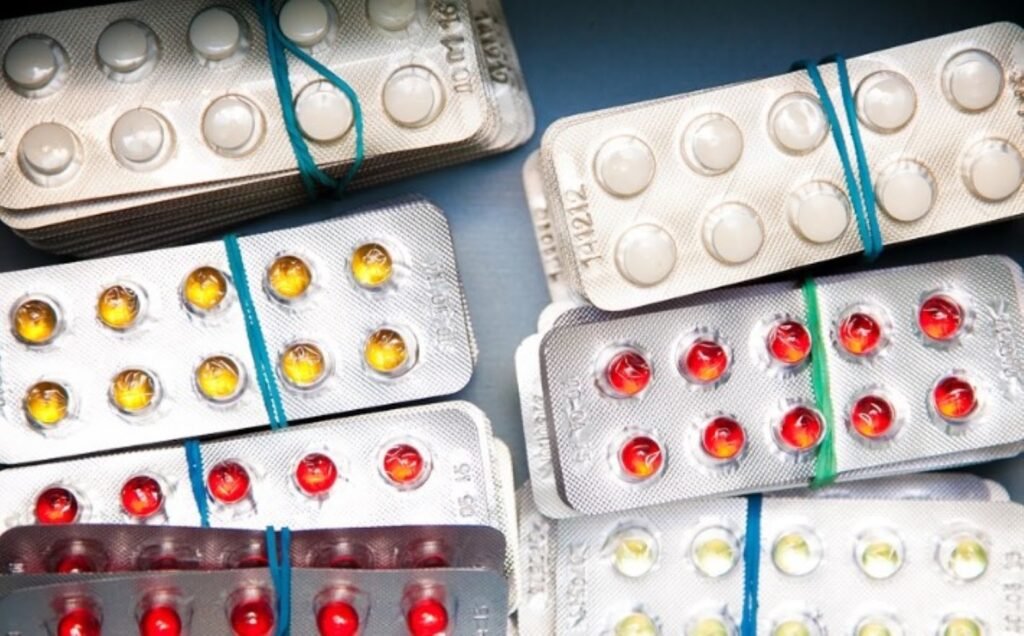
The word “susceptible” in Glendy’s diagnosis lies at the heart of World Antimicrobial Resistance Awareness Week. Antibiotics can work against susceptible bacteria today, but misuse can allow bacteria to become resistant, a threat known as antimicrobial resistance (AMR), a condition when the medicine used to treat an illness no longer works.
Dr Siuna sees the consequences when bacteria become resistant to medicines. “The medicine can be working now, but later on, if you don’t take the medicine properly, it might not work,” she explained when describing how she talks to patients about AMR. Patient understanding remains a major challenge: some patients stop treatment early, others follow family or community advice, and antibiotics are also bought outside clinics and hospitals.
The word “susceptible” in Glendy’s diagnosis lies at the heart of World Antimicrobial Resistance Awareness Week. Antibiotics can work against susceptible bacteria today, but misuse can allow bacteria to become resistant, a threat known as antimicrobial resistance (AMR), a condition when the medicine used to treat an illness no longer works.
Dr Siuna sees the consequences when bacteria become resistant to medicines.
“The medicine can be working now, but later on, if you don’t take the medicine properly, it might not work,” she explained when describing how she talks to patients about AMR. Patient understanding remains a major challenge: some patients stop treatment early, others follow family or community advice, and antibiotics are also bought outside clinics and hospitals.
“We have to also educate the health workers,” Dr Siuna stressed, noting that using antibiotics correctly requires action from doctors, nurses, pharmacists and laboratory staff, as well as patients. This echoes the World Antibiotic Awareness Week 2026 theme, “One Health, one action: Prevent AMR now,” which recognizes that the health of people, animals, plants and the environment is closely connected.
A conversation that needs to extend beyond the hospital
Right now, much of the education about responsible antibiotic use happens only after a person becomes a patient. Dr Siuna would like the conversation to go further, through community education such as radio health talks and stopping germs from spreading in hospitals, where supplies such as alcohol-based hand rub or soap can run low.
Major knowledge gaps remain beyond health facilities. Some patients arrive from communities with germs that no longer respond to antibiotics despite having little or no previous exposure to hospital care. “Solomon Islands is not immune to this,” Dr Siuna said. “We are prone to have resistance as well, and we are seeing it now.”
Fortunately, Solomon Islands is already responding. The Ministry of Health and Medical Services and partners have developed a Multisectoral National Action Plan on AMR (2023–2026), a national plan involving health, agriculture, and environment sectors based on the One Health approach, which links the health of people, animals, and the environment. Since 2020, the country has also participated in the annual Tracking AMR Country Self-Assessment Survey (TrACSS), which tracks countries’ progress against AMR.
What Glendy wants others to know
Before becoming ill, Glendy said she knew very little about antibiotics or AMR. Her treatment has not been easy, and, at the time of the interview, she was still hoping to feel better. Yet when asked what she would tell another person experiencing symptoms like hers, her message was simple: seek care quickly.
For Dr Siuna, the message is equally direct. “If you are diagnosed with an infection, you need to adhere to your treatment properly,” she said. And protecting the medicines that make that treatment possible cannot be the responsibility of patients alone. “Antibiotic use is everybody’s responsibility,” Dr Siuna said. “Everyone needs to work together to prevent antibiotic resistance in our country.”
For Glendy, those words are deeply personal. Because behind the medical jargon are three young children waiting for their mother to come home, and behind every antibiotic that still works is a chance for families like hers to be reunited.
What you can do this World AMR Awareness Week
World AMR Awareness Week runs from 18 to 24 November, and everyone has a part to play. Small, everyday actions help keep antibiotics working for Glendy, her children and the next patient:
- Use antibiotics only when prescribed by a qualified health worker and follow the full treatment exactly as directed. Never share, save or buy them without a prescription, and ask your doctor, nurse or pharmacist if you are unsure.
- Wash your hands with soap and clean water and keep cuts and wounds clean and covered.
- Seek care early if you have a fever, severe pain, or an infected wound, as Glendy advises.
- Keep vaccinations up to date to prevent infections in the first place.
Remember: antibiotics only work if we protect them from abuse and misuse.
Note: Dr Siuna also translated Glendy’s Solomon Islands Pijin responses for this story.
Source: WHO