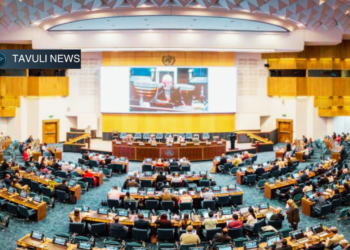











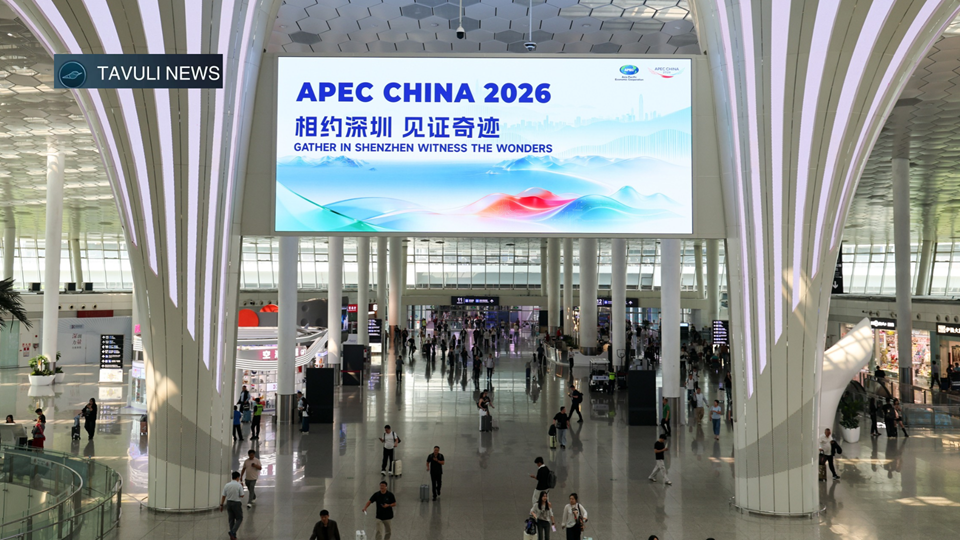
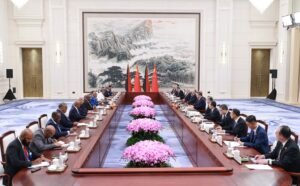
Leaders from Asia-Pacific are expected to meet in Shenzhen, China on 18 and 19 November 2026 for talks on trade, transport and artificial intelligence.
Chinese President Xi Jinping will chair the meeting. Papua New Guinea’s James Marape, Australia’s Anthony Albanese and New Zealand’s Christopher Luxon are among the prime ministers expected to attend. Canadian Prime Minister Mark Carney, Mexican President Claudia Sheinbaum, US President Donald Trump and Russian President Vladimir Putin are also expected to take part.
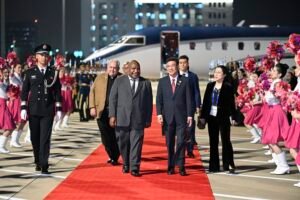
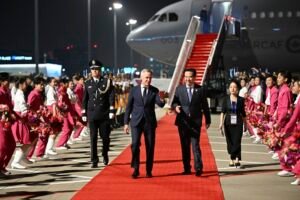
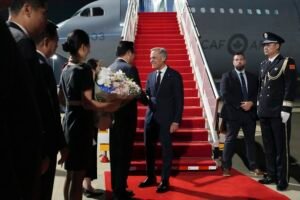
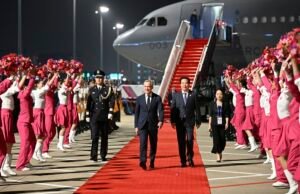
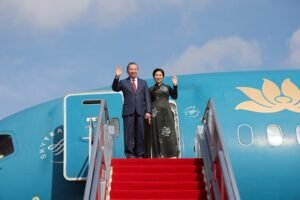
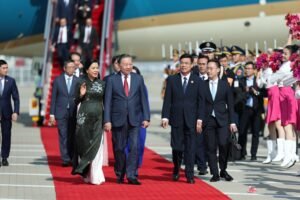
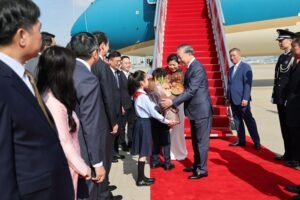
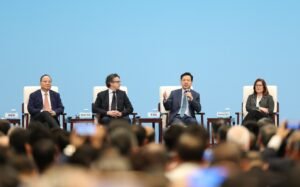
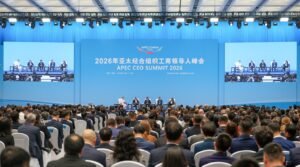
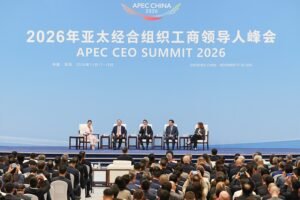
The gathering is part of a programme that includes the APEC CEO Summit on 17 and 18 November, bringing together government and business representatives.
Shenzhen borders Hong Kong in southern China. It became one of China’s first special economic zones in 1980 and grew into a major manufacturing and technology centre. It is home to Huawei, Tencent and electric vehicle maker BYD.
What will leaders discuss?
One proposal would expand cooperation on digital trade from 2027 to 2030. Work is already under way to move shipping documents online and explore how customs authorities could use AI. Officials have also discussed further steps towards a Free Trade Area of the Asia-Pacific, a longstanding goal of the forum.
China has separately proposed wider use of AI in health care, education and energy, alongside efforts to improve access to digital technology.
What does APEC membership offer?
The Asia-Pacific Economic Cooperation forum brings together 21 economies. Members agree on priorities by consensus and carry out their commitments voluntarily.
Papua New Guinea, Australia and New Zealand can help shape those priorities. Their business representatives can advise leaders through the APEC Business Advisory Council. All three also take part in the APEC Business Travel Card scheme, which simplifies short business trips for eligible travellers with advance clearance.
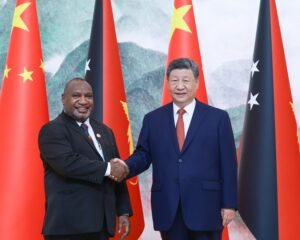
In Shenzhen, Marape is expected to meet government and business representatives on the sidelines as Papua New Guinea seeks investment and stronger economic ties.
Where does the wider Pacific fit?
Papua New Guinea is the only Pacific Island country in APEC. The Pacific Islands Forum Secretariat is one of three official observers. That status allows it to take part in meetings up to ministerial level and access relevant documents. APEC’s member economies make the decisions.
Island countries outside APEC can still feel the effects when major trading partners put those decisions into practice. China is a major buyer of Solomon Islands goods, while Australia is a major source of its imports. Changes to customs procedures in either market could affect the paperwork businesses need to move goods across borders.
What have past meetings delivered?
In 2012, APEC members agreed to cut import tariffs to 5 per cent or less on 54 categories of environmental goods, including solar panels and wind turbines. By 2021, 19 members had fully implemented the commitment. For Pacific Island buyers sourcing equipment through those markets, the price they ultimately pay also depends on supplier charges, freight and local duties.
In 2019, APEC adopted a plan to reduce marine debris through better waste management and shared research. That work has implications for the wider Pacific because ocean currents can carry plastic to island coastlines far from where it entered the water.
At the 2025 summit in Gyeongju, South Korea, leaders backed paperless trade and simpler procedures for checking whether goods meet product standards. Pacific governments already have a regional plan for exchanging trade documents electronically. One question for exporters after Shenzhen is whether major markets will accept electronic shipping documents from suppliers outside APEC.
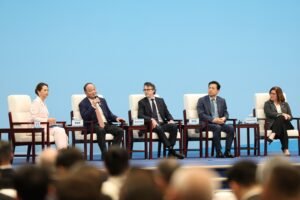
The APEC CEO Summit, held in Shenzhen on 17 and 18 November, offered a business perspective ahead of the leaders’ meeting. Its opening discussion focused on how the Asia-Pacific economy is changing and where businesses could find new opportunities to work together.