









IPCC climate talks have ended without agreement on when key scientific reports should come out. Pacific climate campaigners warn that delays could affect global efforts to tackle climate change.
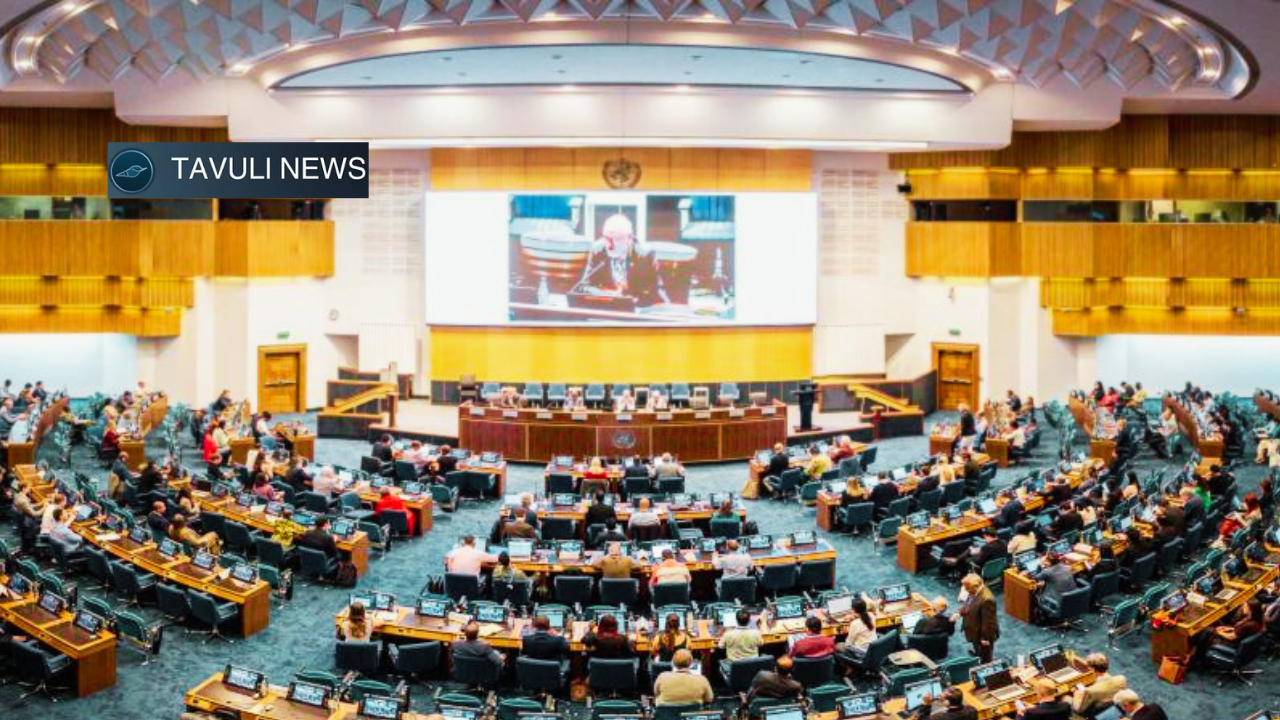
The Intergovernmental Panel on Climate Change (IPCC) held its 65th session in Addis Ababa, Ethiopia, from 12 to 16 October.
The five-day meeting ended on Friday after governments failed to agree on a timetable for the next major global climate assessment.
They also failed to reach an agreement on the organisation’s budget for the coming year.
IPCC climate talks divided over timetable
The main disagreement concerns the timing of the IPCC’s Seventh Assessment Report.
Some countries want the reports completed by 2028. Others want more time, with some findings potentially coming out in 2029.
The reports will examine the latest research on global warming, its effects and ways to reduce greenhouse gas emissions.
Governments use IPCC findings to guide climate policies and international agreements.
The next assessment will also play an important role in the 2028 review of global climate action under the Paris Agreement.
That review, known as the Global Stocktake, will examine how much progress countries have made towards meeting their climate goals.
Why the reports matter to the Pacific
The Pacific Islands Climate Action Network (PICAN) has called for all three major reports to come out by September 2028.
The network represents more than 290 organisations across the Pacific.
In a statement ahead of the meeting, PICAN warned that delays could leave governments without the latest scientific evidence during the 2028 review.
It said Pacific communities were already facing serious climate challenges.
These include rising sea levels, coastal erosion, warming oceans and changes in rainfall.
Previous IPCC reports have warned of growing risks to small islands, including threats to freshwater supplies, agriculture and coral reefs.
The findings help Pacific governments understand these risks and plan how to protect communities.
They also provide scientific evidence to support requests for international climate funding.
PICAN has called for more scientists from developing countries to take part in the next assessment.
It also wants the IPCC to recognise Indigenous knowledge alongside scientific research.
However, the network argues that improving participation should not delay the release of the reports.
Countries disagree over deadlines
Several countries, including China, India, Russia, Saudi Arabia and Kenya, support a longer timetable.
They argue that scientists from developing countries need enough time and resources to contribute to the assessment.
Other countries, including small island states, want the work completed earlier.
They say the findings should be available before the 2028 Global Stocktake.
The Paris Agreement aims to keep global warming well below 2 degrees Celsius and pursue efforts to limit it to 1.5 degrees above pre-industrial levels.
Pacific Island countries have long pushed for the 1.5-degree target because of the serious risks they face from rising temperatures.
Meeting suspended without agreement
Marshall Islands climate envoy Tina Stege criticised the failure to reach an agreement.
She described the outcome to Reuters as a “shameful play for time”.
Talks continued beyond the scheduled programme, and several delegations from developing countries had already left.
IPCC Chair Jim Skea then suspended the session to allow those countries to take part in further decisions.
Despite the disagreement, delegates made progress on other matters during the meeting.
The IPCC said discussions on the timetable and budget would continue.
It has not announced a new meeting date.
The outcome leaves uncertainty over whether the next global climate assessment will be ready for the 2028 review.