




































UK and Solomon Islands advance energy reforms to establish an independent regulator and support cheaper, cleaner electricity.
The UK Government has agreed the next stage of its energy programme with the Ministry of Mines, Energy and Rural Electrification (MMERE), setting out a roadmap for the legislation needed for the establishment of a new independent energy regulator in Solomon Islands.
The new regulator is essential for enabling more independent power providers to operate in Solomon Islands so reducing the dependence on imported diesel for on and off grid generation. It will also help reduce the cost of electricity with more options for power, especially solar.
The Government of Solomon Islands, through MMERE, is advancing the reforms needed to establish the new independent energy regulator.
The UK has already been drafting primary legislation for the new regulator, but a critical gap remains in drawing up the secondary legislation covering economic licensing of new energy generators and technical certification of electrical workers. It has agreed to provide the technical and legal expertise to finalise the legal framework.
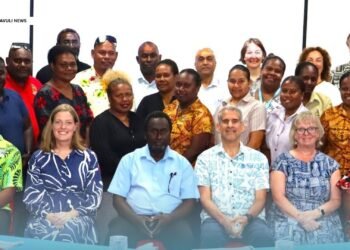
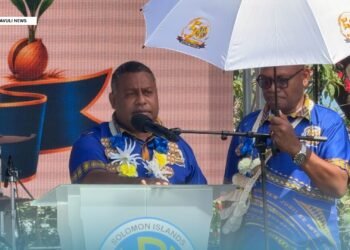
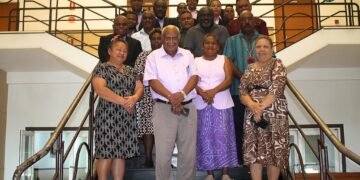
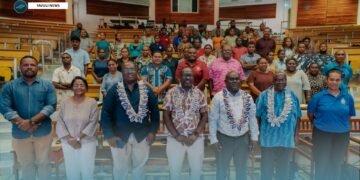
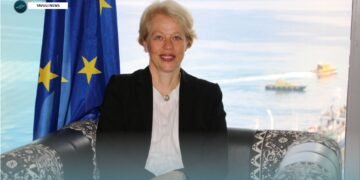
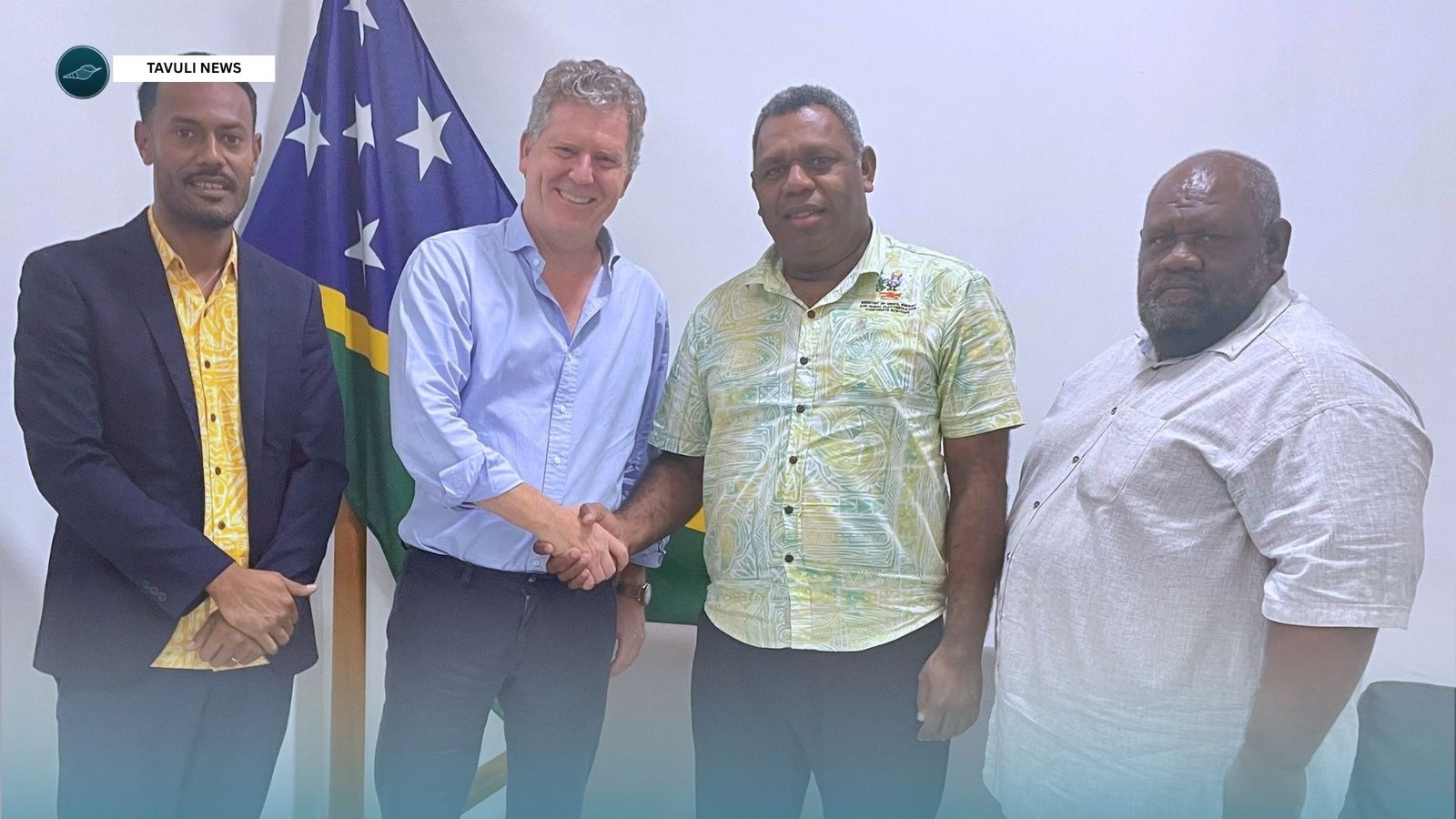
This week, British High Commissioner Paul Turner, met the Permanent Secretary of MMERE, Chris Vehe, to sign the next stage of the UK assistance.
The legal expert contracted by the UK is William Kadi. Kadi is an energy lawyer and a former Chevening scholar who studied in the UK in 2022 at the University of Aberdeen.
The new legislation is being drafted under the supervision of MMERE and will be handed over to the Attorney General’s Chambers in the coming months.
Given the urgency of the reform timeline – with Prime Minister Matthew Wale keen to see progress on reduced tariffs – the UK and MMERE aim to have the draft legislation completed by February / March 2027.
High Commissioner Turner said the UK’s legal work will be important for advancing the wider energy programme that the World Bank is taking forward, including on tariff and institutional reforms.
He said that the UK would continue to work closely with the World Bank and ADB in the power sector.
The UK already provides significant funding to the energy sector through its multilateral contributions to the World Bank and Green Climate Fund which is supporting the Tina River Hydropower Development Project.
The UK is also a key advocate for the Tina River Hydropower Development Project on the GCF Board.
British High Commission Honiara Press Release